Interactive transcript · 171 lines
Hello, everyone, and welcome back to TalkCast, your favorite weekly podcast where we explore the
大家好,欢迎回到《TalkCast》,这是大家最喜欢的每周播客节目,在节目中我们将探讨
intersection of technology, society, and our daily lives.
科技、社会与我们日常生活的交集。
I am your host, Thomas.
我是你们的主持人托马斯。
Before we dive into today's fascinating topic, I want to take a moment to say a massive thank you to
在深入探讨今天这个迷人的话题之前,我想借此机会向大家表示衷心的感谢,
all our TalkCast members.
感谢我们所有的TalkCast会员。
Your support keeps this show running and allows us to bring in world -class experts to share their knowledge.
您的支持让本节目得以持续运营,并让我们能够邀请到世界级的专家来分享他们的知识。
If you are listening and haven't joined our membership yet, please consider supporting us.
如果您正在收听且尚未加入我们的会员,请考虑支持我们。
Your contribution makes a huge difference in helping us produce high -quality content for English
您的贡献在帮助我们为英语学习者打造高质量内容方面发挥着巨大作用,
learners and tech enthusiasts alike.
同时也惠及科技爱好者。
Thank you so much.
非常感谢你们。
Now, let's talk about something we look at hundreds of times a day, our screens.
现在,让我们聊聊我们每天要看几百次的东西——我们的屏幕。
Over the past couple of weeks, the tech world has been absolutely buzzing with news about screens
在过去的几周里,科技界完全因有关屏幕的新闻而沸腾了,
that can bend and fold.
即那些能够弯曲和折叠的屏幕。
Apple has recently generated huge headlines with discussions around their foldable iPhone duo.
苹果公司最近因围绕其可折叠双款iPhone的讨论引发了巨大的头条新闻。
And on the automotive side, we just saw a global first, a Chinese car manufacturer showcasing a
而在汽车领域,我们刚刚见证了一项全球首创,一家中国汽车制造商展示了
cockpit featuring a foldable screen that can bend and wrap around the dashboard.
一个搭载可折叠屏幕的驾驶舱,该屏幕能够弯曲并包裹住仪表盘。
It seems like the era of flat, rigid screens is slowly coming to an end.
看起来平整、坚硬的屏幕时代正慢慢走向终结。
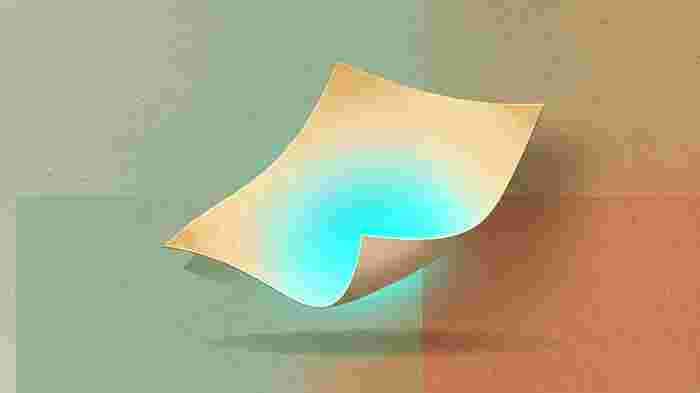
How on earth do these screens bend without breaking?
这些屏幕到底是怎么做到弯曲而不断裂的呢?
What is the science behind this magic?
这种神奇现象背后的科学原理是什么?
To help us crack the code, we are joined today by Dr.
为了帮助我们解开这一奥秘,今天我们邀请到了
Olivia, a leading material scientist and an expert in flexible display technology.
奥利维亚博士,她是一位顶尖的材料科学家,也是柔性显示技术领域的专家。
Welcome to TalkCast, Olivia.
欢迎来到TalkCast,奥利维亚。
Thank you, Thomas.
感谢你,托马斯。
It is an absolute pleasure to be here with you and all the TalkCast listeners today.
今天能来到这里与你以及TalkCast的所有听众在一起,我感到非常荣幸。
This is indeed an incredibly exciting time for display technology.
对于显示技术而言,这确实是一个令人无比兴奋的时代。
We are moving from a world where we adapt our lives to flat screens to a world where screens can
我们正在从一个我们去适应平板屏幕的世界,迈向一个屏幕可以
bend, fold, and adapt to us.
弯曲、折叠并适应我们的世界。
It really does feel like science fiction becoming reality.
这真的感觉像是科幻小说变成了现实。
But let's start with the basics.
但让我们先从基础知识讲起。
For decades, we've known screens as hard, brittle pieces of glass.
几十年来,我们印象中的屏幕都是坚硬且易碎的玻璃片。
If you drop your phone, the glass cracks.
如果你把手机掉在地上,玻璃就会破裂。
So how can a screen now bend like a piece of paper?
那么,现在的屏幕怎么能像一张纸一样弯曲呢?
What is the fundamental difference in how these screens are built?
这些屏幕制造方式的根本区别在哪里?
To understand this, we have to look at what lies beneath the surface.
要理解这一点,我们必须了解表面之下隐藏着什么。
Traditional screens, like the LCD monitors or older phone screens we're used to, are like a rigid sandwich.
传统屏幕,就像我们习惯的LCD显示器或较旧的手机屏幕,就像一个坚硬的三明治。
They require a thick backlight unit to shine light through liquid crystals.
它们需要一个厚重的背光单元穿透液晶发光。
And all of these components are mounted on stiff glass substrates.
而所有这些组件都安装在坚硬的玻璃基板上。
If you try to bend that sandwich, it snaps.
如果你试图弯曲那个“三明治”,它就会折断。
Flexible screens, however, use a technology called OLED, which stands for Organic Light Emitting Diode.
然而,柔性屏幕使用了一种称为OLED的技术,即有机发光二极管。
The magic of OLED is that each individual pixel on the screen produces its own light.
OLED的神奇之处在于屏幕上的每一个独立像素都能自己发光。
There's no need for a bulky, rigid backlight.
完全不需要笨重、坚硬的背光灯。
Ah, I see.
啊,我明白了。
So because OLED doesn't need a heavy backlight, the whole screen package can be made much thinner. Exactly.
所以,因为OLED不需要沉重的背光灯,整个屏幕组件可以做得更薄。一点也没错。
Because it is incredibly thin, we can print these OLED pixels on a flexible surface instead of rigid glass.
因为它极其薄,我们可以将这些OLED像素打印在柔性表面上,而不是坚硬的玻璃上。
We call the surface a substrate.
我们称这个表面为基板。
Instead of using a stiff glass plate, we use a very special type of plastic called polyamide, or PI
我们不再使用坚硬的玻璃板,而是使用一种非常特殊的塑料,称为聚酰胺,简称PI
for short.
简称。
Polyamide is fantastic because it can withstand the extremely high temperatures used during the
聚酰胺非常出色,因为它能承受在极高温度下进行的
manufacturing process.
制造过程。
And yet, once it is finished, it is as flexible as a thin plastic film.
然而,一旦完成加工,它就如同一层薄薄的塑料膜一样富有弹性。
That is the basic foundation of a flexible screen.
那是柔性屏幕的基本基础。
That is a great explanation.
那是一个非常棒的解释。
So instead of a stiff glass sandwich, we have a thin plastic sheet with self -lighting pixels.
因此,我们拥有的是一片带有自发光像素的薄塑料片,而不是坚硬的玻璃夹层。
But that brings up another question.
但这就引出了另一个问题。
Plastic is soft.
塑料是软的。
If the outer layer of my phone screen is just plastic, wouldn't it scratch very easily?
如果我手机屏幕的外层只是塑料,难道不会很容易被划伤吗?
If I use my fingernail on it, won't it leave a permanent mark?
如果我用指甲抓它,难道不会留下永久的痕迹吗?
You have hit on one of the biggest engineering challenges we faced in the early days of foldables.
你切中了我们在折叠屏早期阶段面临的最大工程挑战之一。
The first generation of foldable phones did use a plastic protective layer, and users quickly found
第一代折叠屏手机确实使用了塑料保护层,用户很快发现
that they were prone to scratches.
它们非常容易被划伤。
To solve this, material scientists developed something called UTG, which stands for ultra -thin glass.
为了解决这个问题,材料科学家研发出一种名为UTG的东西,代表超薄玻璃。
Now, you might wonder, how can glass bend?
现在,你可能会好奇,玻璃怎么能弯曲呢?
The secret lies in its thickness.
秘密就在于它的厚度。
If you take a thick wooden stick, you can't bend it.
如果你拿一根粗木棍,你是无法把它弯曲的。
But if you shave that wood down until it is as thin as a piece of paper, it becomes flexible.
但如果你把那块木头削薄到像一张纸一样薄,它就会变得可以弯曲。
The same principle applies to glass.
同样的原理也适用于玻璃。
UTG is processed to be less than 100 micrometers thick, which is thinner than a human hair.
UTG经过加工后厚度不到100微米,比人的头发丝还要薄。
At that thickness, glass actually becomes flexible while still retaining its hardness and scratch resistance.
在这个厚度下,玻璃实际上变得可以弯曲,同时依然保持其硬度和抗刮擦性。
Wow, glass that is thinner than a human hair?
哇,比人的头发丝还薄的玻璃?
That is mind -blowing.
这简直太令人震撼了。
So when we touch a modern foldable screen, we're actually touching a layer of real glass that can bend.
所以当我们触摸现代折叠屏时,我们实际上是在触摸一层可以弯曲的真实玻璃。
That sounds incredibly high -tech.
那听起来极其高科技。
Yes, precisely.
是的,确切如此。
It is a hybrid layer.
这是一个复合层。
You have the flexible OLED panel on the bottom and a layer of ultra -thin glass on top.
底部是柔性OLED面板,顶部是一层超薄玻璃。
This combination gives you the premium, smooth feel of traditional glass, but with the ability to
这种组合赋予你传统玻璃的高端顺滑手感,但同时也具备
bend thousands of times without shattering.
弯曲成千上万次而不会粉碎。
But what about the crease?
但是折痕怎么办呢?
Whenever I see a foldable phone, I always wonder about the line down the middle where it folds.
每当我看到折叠屏手机,我总是好奇中间折叠处的那条线。
Why does the crease happen, and how are engineers trying to make it disappear?
为什么会产生折痕?工程师们又是如何试图让它消失的呢?
The crease is indeed the holy grail of foldable technology.
折痕确实是折叠屏技术的终极追求。
When you fold a material, the outer edge stretches, and the inner edge compresses.
当你折叠某种材料时,外缘会被拉伸,而内缘会被压缩。
Over time, this mechanical stress creates a visible fold line, just like when you fold a piece of paper.
久而久之,这种机械应力就会产生一条可见的折痕线,就像你折纸一样。
To minimize this, engineers focus heavily on the design of the hinge, which is the mechanical joint
为了使这种情况最小化,工程师们极其关注铰链的设计,即机械接头
that connects the two halves of the device.
用来连接设备的两个半部分。
Early hinges folded the screen tightly, like a book.
早期的铰链将屏幕紧密地折叠起来,就像一本书一样。
This put a lot of pressure on the center of the screen, creating a deep crease.
这给屏幕中央施加了很大的压力,从而产生了很深的折痕。
Modern devices use what we call a water drop hinge.
现代设备使用的是我们所说的水滴铰链。
When you close the phone, the hinge allows the screen to gently loop inside the body in the shape of
当你合上手机时,铰链允许屏幕在机身内部柔和地弯曲成
a water drop.
水滴的形状。
This larger bending radius greatly reduces the stress on the screen, making the crease almost
这种更大的弯曲半径极大地减少了屏幕上的应力,使得折痕几乎
invisible when the screen is turned on.
在屏幕亮起时不可见。
That makes perfect sense.
那完全说得通。
So instead of a sharp fold, it is more of a gentle curve tucked away inside the phone.
因此,它不再是剧烈的折叠,而更像是一条隐藏在手机内部的平缓曲线。
That is a brilliant piece of mechanical engineering.
这真是绝妙的机械工程杰作。
Now, let's talk about the news that really caught my eye recently.
现在,让我们聊聊最近真正吸引我眼球的新闻。
We mentioned earlier that a car manufacturer has used a folding screen in a vehicle's cockpit for
我们之前提到过,一家汽车制造商首次将折叠屏应用于车辆座舱中,用于
the very first time globally.
在全球范围内尚属首次。
For years, cars have just had flat touch screens glued to the dashboard.
多年来,汽车的仪表盘上只是粘着平整的触摸屏。
Why would we want a folding or flexible screen in a car?
为什么我们会想要在汽车里配备折叠屏或柔性屏呢?
What are the practical benefits?
有哪些实际的好处?
This is actually a massive trend in the automotive industry.
这实际上是汽车工业的一个巨大趋势。
Modern cars are transforming from simple transport machines into mobile living spaces.
现代汽车正在从简单的交通工具转变为移动的生活空间。
When you are driving, you need a clean, distraction -free dashboard with basic navigation.
驾驶时,你需要一个简洁、无干扰且带有基本导航功能的仪表盘。
But when the car is parked or self -driving, you might want a massive entertainment screen to watch
但在车辆停放或自动驾驶时,你可能需要一个巨大的娱乐屏幕来观看
movies or join a video call.
电影或参加视频通话。
A folding screen allows the car interior to adapt to these different scenarios.
折叠屏可以让汽车内部适应这些不同的场景。
The screen can unfold and present a beautiful, large display for passenger entertainment, and then
屏幕可以展开,为乘客娱乐提供美观的大屏显示,然后
fold away or blend seamlessly into the dashboard curve when you need to focus on the road.
在你需要专注于路面时折叠起来,或无缝地融入仪表盘曲线中。
It also helps with safety.
这也对安全有所帮助。
Sharp, rigid screens can be dangerous in an accident.
锋利且硬质的屏幕在事故中可能会很危险。
A flexible screen integrated smoothly into the soft curves of the dashboard is much safer for passengers.
顺畅融合于仪表盘柔和曲线中的柔性屏幕对乘客来说要安全得多。
I see.
我明白了。
It is all about space optimization, versatility, and safety.
这完全是为了空间优化、多功能性和安全性。
It sounds like cars are going to feel much more like cozy living rooms in the future.
听起来未来的汽车感觉会更像温馨舒适的客厅。
As a material scientist, where do you see this technology going next?
作为一名材料科学家,您认为这项技术下一步会向何处发展?
We have seen foldable phones, foldable laptops, and now foldable car screens.
我们已经见过可折叠的手机、可折叠笔记本电脑,现在还有可折叠的汽车屏幕。
What is the next frontier?
下一个前沿领域是什么?
The next step is definitely rollable and stretchable displays.
下一步绝对是可卷曲和可拉伸的显示屏。
Imagine a TV screen that rolls up like a poster into a small cylinder when you're not using it.
想象一下,电视屏幕在不用时可以像海报一样卷成一个小圆柱体。
You could easily carry a 60 -inch TV in your backpack.
你可以轻松地把一台60英寸的电视装进背包里。
And stretchable displays are even more fascinating.
而可拉伸显示屏则更加令人着迷。
These are screens that can be twisted, pulled, and stretched in any direction without damage.
这些屏幕可以在任何方向上被扭曲、拉扯和拉伸而不会损坏。
We could integrate them into our clothing, creating smart jackets that show navigation on your sleeve.
我们可以将它们融入我们的衣物中,打造出能在袖子上显示导航的智能夹克。
Or we could wrap them around irregular everyday objects like bottles or furniture.
或者我们可以将它们包裹在瓶子或家具等不规则的日常物品上。
The possibilities are truly endless once we completely untether screens from flat surfaces.
一旦我们完全将屏幕从平面中解脱出来,可能性真的是无限的。
That sounds absolutely incredible.
听起来简直太难以置信了。
A roll -up television in a backpack.
背包里的卷轴电视。
I can't wait for that.
我真是迫不及待地等待那一刻。
However, with all this advanced technology, there must be some downsides.
然而,拥有所有这些先进技术的同时,肯定也有一些缺点。
For instance, are these foldable and flexible screens more expensive to produce?
例如,生产这些可折叠和柔性的屏幕成本是否更高?
And what about their lifespan?
那么它们的寿命如何呢?
Will they last as long as a traditional flat screen?
它们能像传统的平板屏幕一样耐用吗?
You have pointed out the current bottlenecks of this technology.
你指出了这项技术目前的瓶颈。
Yes, they are significantly more expensive to manufacture.
是的,它们的制造成本要显著高得多。
The yield rate, which is the percentage of usable screens produced in a factory, is lower for
工厂生产的可用屏幕百分比,即良率,对于
flexible displays because the process is so precise and delicate.
柔性显示屏来说更低,因为这个过程非常精密和精细。
Any tiny speck of dust during the lamination of the ultra -thin glass can ruin the entire display.
超薄玻璃层压过程中的任何微小灰尘都会毁掉整个显示屏。
In terms of lifespan, flexible screens are rated to a stand around 200 ,000 folds, which is about
在寿命方面,柔性屏幕的额定承受折叠次数约为20万次,这大约是
five years of typical use.
五年的典型使用时间。
While that's plenty for a smartphone, it might be a concern for devices we expect to keep longer,
虽然这对于智能手机来说足够了,但对于我们希望能使用更久的设备来说可能是一个担忧,
like cars or home appliances.
比如汽车或家用电器。
But as manufacturing processes mature, prices will fall and durability will continue to improve.
但随着制造工艺成熟,价格将会下降,耐用性也会不断提高。
That is very reassuring.
那真是非常令人安心。
Technology always starts out expensive and fragile, but over time it becomes affordable and durable
技术在刚开始时总是昂贵且脆弱的,但随着时间的推移,它会变得平价且耐用
for everyone.
服务于所有人。
It's a natural evolution.
这是一种自然的演变。
Well, Olivia, this has been an incredibly eye -opening conversation.
好的,奥利维亚,这是一次极其令人大开眼界的对话。
You have taken a very complex topic and made it so easy to understand.
你把一个非常复杂的话题讲得如此通俗易懂。
Thank you so much for joining us on TalkCast today.
非常感谢你今天加入我们的TalkCast节目。
Thank you, Thomas.
感谢你,托马斯。
I had a wonderful time.
我度过了一段美好的时光。
And to all the listeners out there, keep an eye on your screens.
对于所有的听众来说,时刻关注你们的屏幕吧。
They might just start bending sooner than you think.
它们可能比你想象的更早开始弯曲。
What an inspiring talk!
多么鼓舞人心的演讲啊!
Now, dear listeners, it is time for our weekly open -ended question.
现在,亲爱的听众们,又到了我们每周的开放式提问时间。
We want to hear from you.
我们希望听到你们的声音。
If you could have a foldable, rollable, or stretchable screen on any object in your home, what would
如果你可以在家里的任何物品上配备一块可折叠、可卷曲或可拉伸的屏幕,它会
it be and why?
是什么,以及为什么?
How would it change your daily life?
它会如何改变你的日常生活?
Please write down your answers in the comments section below, or check out what other listeners are saying.
请在下面的评论区写下你的答案,或者看看其他听众是怎么说的。
We love reading your creative ideas.
我们喜欢阅读你们充满创意的想法。
Before we sign off, don't forget to subscribe to TalkCast and share this episode with your friends
在节目结束前,别忘了订阅 TalkCast,并将本期节目分享给你的朋友
and family who are learning English or who just love technology.
和家人,无论他们是在学习英语,还是单纯热爱科技。
We truly appreciate your feedback and support.
我们非常感谢大家的反馈与支持。
As a reminder, the full English transcript and audio of this episode, along with our entire series,
提醒一下,本期节目的英文完整逐字稿和音频,以及我们的整个系列,
are regularly published on our official website, www .talkcast .top, as well as on our WeChat official
都会定期发布在我们的官方网站 www.talkcast.top 以及我们的微信官方
account, which is also named TalkCast.
公众号上,名字同样叫 TalkCast。
Be sure to check them out for study materials and extra resources.
请务必前往获取学习资料和额外资源。
Thank you for listening, and we will see you next week on TalkCast.
感谢您的收听,我们下周在 TalkCast 再见。
Bye for now!
暂且再见!