Interactive transcript · 179 lines
Good morning, or good evening, wherever you are in the world.
无论您身在世界上何处,早上好,或是晚上好。
Welcome to another episode of TalkCast, your favorite podcast where we unpack the latest trends in
欢迎收听新一期的 TalkCast,这是您最喜欢的播客节目,在这里我们将为您剖析最新的趋势——
technology, science, and society, making complex ideas easy to understand.
涵盖科技、科学与社会,将复杂的观点变得通俗易懂。
Today, we are diving into a topic that sounds like it was pulled straight out of a science fiction
今天,我们将深入探讨一个听起来像是直接源自科幻
novel, but is actually happening right now.
小说的内容,但实际上此时此刻正在发生。
Recently, a major online travel agency listed commercial spaceflight tickets for sale, priced at a
最近,一家大型在线旅行社开售商业太空飞行门票,定价为
staggering 5 .1 million yuan, which is about 700 ,000 US dollars.
令人震惊的 510 万元人民币,约合 70 万美元。
Believe it or not, hundreds of these tickets have already been sold.
信不信由你,这些门票已经卖出了数百张。
This news has got everyone talking.
这一消息引发了大家的讨论。
Is space tourism finally becoming a reality for ordinary people, or is it just an expensive
太空旅游终于要成为普通人的现实,还是说它只是一个昂贵的
playground for the ultra -wealthy?
超级富豪的游乐场?
To help us explore this fascinating frontier, we are joined today by Zoe, a leading aerospace
为了帮助我们探索这个引人入胜的前沿,我们今天邀请到了佐伊(Zoe),她是一位顶尖的航空航天
engineer and space tourism industry consultant.
工程师兼太空旅游行业顾问。
Zoe, welcome to TalkCast.
佐伊,欢迎来到 TalkCast。
Thank you so much for having me, David.
非常感谢大卫邀请我。
It is wonderful to be here.
能来到这里真是太棒了。
I must say, the news about these ticket sales is incredibly exciting, but not entirely surprising to
我必须说,关于门票销售的消息令人极其兴奋,但对于我们这些
those of us working in the industry.
在行业内工作的人来说,并不完全令人意外。
For decades, space was something only highly trained government astronauts could reach, but we are
几十年来,太空只是受过严格训练的政府宇航员才能到达的地方,但我们正
living in a historic moment where the gateway to the cosmos is opening up to private citizens.
生活在一个历史性时刻,通往宇宙的大门正向普通公民敞开。
It is a thrilling time to be an aerospace engineer, and I am excited to share what is happening
作为一名航空航天工程师,这是一个令人激动的时代,我很高兴能分享
behind the scenes with your listeners today.
幕后正在发生的事情给今天的听众们。
It really does feel like we are standing on the edge of a new era.
这确实让人感觉我们正站在一个新时代的边缘。
But before we get to ahead of ourselves, I think many of our listeners might be wondering, what
但在我们说得太远之前,我想我们的许多听众可能在想,
exactly does a 5 million yuan space ticket buy you?
一张 500 万元的太空门票究竟能买到什么?
When we talk about space tourism, what kind of trip are we actually talking about?
当我们谈论太空旅游时,我们实际上谈论的是怎样的旅行?
Are we flying around the moon, or is it something different?
我们是在绕月飞行,还是别的什么不同体验?
That is the perfect place to start, David.
大卫,这真是完美的切入点。
Currently, the most common type of space tourism being sold is what we call suborbital spaceflight.
目前,正在销售的最常见的太空旅游类型是所谓的亚轨道太空飞行。
To understand this, imagine throwing a ball high up into the air and watching it fall back down in a
为了理解这一点,请想象把一个球高高抛向空中,看着它落回地面,形成一个
giant arc.
巨大的弧线。
A suborbital rocket does exactly that.
亚轨道火箭做的正是如此。
It launches straight up, passes the boundary of space, which is generally defined as the Karman line
它直冲云霄,穿越太空的边界(通常定义为卡门线,
at 100 kilometers above sea level, and then gently glides or parachutes back down to Earth.
即海拔 100 公里处),然后缓缓滑翔或依靠降落伞落回地球。
This entire journey takes only about 10 to 15 minutes.
这整个旅程仅需大约 10 到 15 分钟。
You do not actually enter Earth's orbit, meaning you do not loop around the planet.
你实际上并未进入地球轨道,这意味着你不会环绕地球飞行。
That would require a much more powerful rocket, which is what we call orbital spaceflight.
那将需要更强劲的火箭,也就是我们所说的轨道太空飞行。
Orbital trips, like the ones that go to the International Space Station, are much longer, much more
轨道旅行,比如前往国际空间站的旅行,时间要长得多,也要
complex, and cost tens of millions of dollars.
要复杂得多,费用高达数千万美元。
Ah, I see.
啊,我懂了。
So suborbital is like a quick high -altitude jump into the cosmos, while orbital is a full stay in space.
所以亚轨道就像是快速高空跳跃进入宇宙,而轨道飞行则是在太空中的完整停留。
Even if it is just a short 10 to 15 minute trip, it must be an absolutely mind -blowing experience.
哪怕这只是一次短短 10 到 15 分钟的旅程,也绝对是令人震撼的体验。
Can you paint a picture for us?
你能为我们描绘一下画面吗?
What does a passenger actually feel and see during a suborbital flight?
在亚轨道飞行期间,乘客实际上会感受到和看到什么?
It is an intense, multisensory experience.
这是一种强烈的多感官体验。
First, there is the launch.
首先是发射。
You are strapped into your seat, and as the rocket engines ignite, you feel an immense pressure.
你被系在座椅上,当火箭发动机点火时,你会感受到巨大的压力。
This is what we call g -force, or gravitational force.
这就是我们所说的 G 力,即重力。
You will feel up to three or four times your normal body weight, making it feel like a heavy weight
你会感受到高达正常体重三到四倍的重量,感觉就像沉重的物体
is pressing down on your chest.
正压在你的胸口上。
But then, after a few minutes, the engines shut off.
但在几分钟后,发动机熄火了。
Suddenly, there is absolute silence, and you float out of your seat.
突然间,出现了绝对的寂静,你从座位上漂浮了起来。
This is microgravity, or what people commonly call weightlessness.
这就是微重力,或者人们俗称的失重状态。
For about three to four minutes, you can do flips, float freely, and look out of the large windows.
在大约三到四分钟的时间里,你可以做翻滚动作,自由漂浮,并透过大窗户看向外面。
And the view is spectacular.
那里的景色非常壮观。
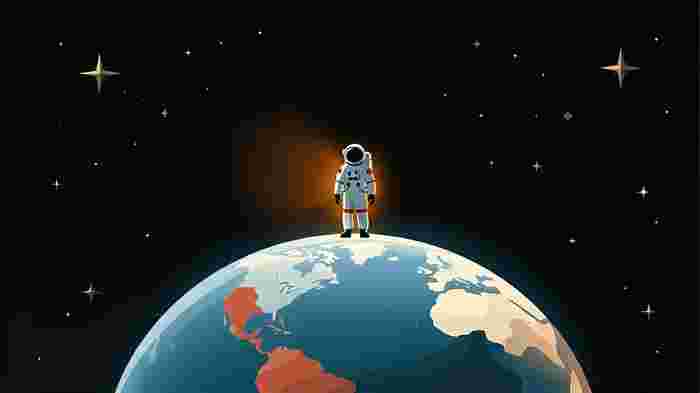
You see the deep blackness of outer space on one side, and the brilliant curved blue line of the
你可以看到一侧外太空深邃的黑暗,以及另一侧耀眼的蓝色弧线——
Earth on the other.
即另一侧的地球。
That sounds absolutely breathtaking.
那听起来绝对令人震撼。
I have heard that astronauts often experience a deep psychological shift when they see Earth from space.
我听说宇航员从太空看到地球时,常常会经历深刻的心理转变。
Is there a name for that?
对此有什么专门的称呼吗?
Yes, indeed.
是的,确实有。
It is called the overview effect.
这被称为总览效应。
It is a cognitive shift in awareness that many space travelers report.
许多太空旅行者报告说,这是意识上的一种认知转变。
When you look down at Earth from above, you do not see national borders or political boundaries.
当你从高处俯瞰地球时,你看不见国家国界或政治界线。
You just see a tiny, fragile blue ball surrounded by a thin layer of atmosphere, floating in a vast,
你只会看到一颗被薄薄大气层包裹着的微小而脆弱的蓝色星球,悬浮在广袤的
dark void.
黑暗虚空之中。
It gives people a profound sense of unity and an urgent desire to protect our home planet.
它带给人们一种深刻的统一感,以及保护我们家园星球的迫切渴望。
Many believe that as more people experience the overview effect, it could lead to a global shift in
许多人相信,随着更多人体验到总览效应,这可能会导致全球范围内的转变,改变
how we treat our environment and each other.
我们对待环境和对待彼此的方式。
That is a beautiful concept, Zoe.
那真是个美好的概念,佐伊。
But let's bring things back down to Earth for a moment.
不过,让我们先回到现实片刻。
While the experience sounds life -changing, the price tag of 5 million yuan, or about $700 ,000, is
虽然这种体验听起来能改变人生,但500万元人民币(约70万美元)的价格
still far beyond what most of us can afford.
仍然远远超出我们大多数人所能负担的范围。
Why is space travel so expensive right now?
为什么现在的太空旅行如此昂贵?
And do you think we will ever see a day when a middle -class family can afford a ticket to space?
你认为我们能否看到中产阶级家庭也买得起太空票的那一天?
It is a very fair question.
这是一个非常合理的问题。
The high cost is mainly due to two things, technology development, and scale.
高昂的成本主要源于两点:技术研发和规模。
Building rockets and space planes that can safely carry humans requires billions of dollars in
建造能够安全搭载人类的火箭和太空飞机需要数十亿美元的
research and extremely expensive materials.
研发资金以及极其昂贵的材料。
Unlike airplanes, which fly thousands of times before being retired, rockets historically were used
与飞机在退役前可以飞行数千次不同,历史上的火箭通常只使用
only once and then thrown away.
一次,然后就被扔掉。
That made every flight incredibly expensive.
这使得每一次飞行都极其昂贵。
However, companies are now developing reusable rockets and space planes, which will dramatically
然而,各大公司现在正在开发可重复使用的火箭和太空飞机,这将大幅
lower the cost.
降低成本。
Think of early commercial aviation.
想想早期的商业航空。
In the 1920s, a flight across the Atlantic Ocean was a luxury that only the ultra -wealthy could afford.
在20世纪20年代,跨越大西洋的飞行是一种只有极少数富豪才能负担得起的奢侈品。
But as technology improved, safety increased, and the industry scaled up, flying became accessible
但随着技术的进步、安全性的提高以及产业规模的扩大,飞行变得对几乎所有人来说都触手可及
to almost everyone.
几乎人人都能享用。
I believe we will see a similar path for space tourism.
我相信太空旅游也会走一条类似的道路。
It might take 20 or 30 years, but eventually prices will drop, perhaps to the price of a luxury
这可能需要20年或30年,但最终价格会下降,也许会降到如今一次豪华
cruise today.
邮轮行的价格。
That is a reassuring comparison.
那是一个令人安心的比喻。
It is exciting to think that our children or grandchildren might view space travel the way we view
想到我们的孩子或孙辈看待太空旅行的方式可能就像我们看待
international flights today.
今天的国际航班一样,这令人兴奋。
But with civilian passengers going into space, safety is naturally a major concern.
但随着平民乘客进入太空,安全性自然是主要关注的问题。
Rockets, after all, are essentially controlled explosions.
毕竟,火箭本质上是受控的爆炸。
How safe are these commercial flights compared to, say, normal aviation or early government space missions?
与普通航空或早期政府的太空任务相比,这些商业飞行的安全性如何?
Safety is the absolute top priority for any commercial space company.
对任何商业太空公司来说,安全都是绝对的首要优先事项。
If they have a major accident, their business is essentially over.
如果他们发生重大事故,他们的业务基本上就结束了。
Today's commercial spacecraft are designed with multiple backup systems, which engineers call
如今的商业航天器在设计上都配备了多重备用系统,工程师们将这称为
redundant systems.
冗余系统。
If one computer or valve fails, there is always another one ready to take over.
如果一台电脑或阀门故障,总有另一台随时准备接管。
Also, unlike the early days of the space race in the 1960s, when governments took massive risks to
此外,不像20世纪60年代太空竞赛早期,当时政府冒着巨大的风险
beat each other to the moon, today's private companies must meet strict safety standards set by
争相抢先登上月球,如今的私营公司必须满足严格的安全标准,这些标准由
aviation and space authorities.
航空与航天主管部门制定。
That being said, we must be honest.
话虽如此,我们必须坦诚。
Space travel will never be 100 % safe.
太空旅行绝不可能百分之百安全。
It is inherently riskier than boarding a commercial airliner.
这本质上比乘坐商业客机风险更大。
Passengers must undergo basic physical training and sign an informed consent form, acknowledging
乘客必须接受基础体能训练并签署知情同意书,确认
that they understand the risks involved. Right.
他们理解所涉及的风险。对的。
So it is a calculated risk.
所以这是一种深思熟虑的风险。
And preparation is key.
而准备工作是关键。
Speaking of training, what kind of preparation do these space tourists have to go through?
说到训练,这些太空游客需要经历怎样的准备过程?
Do they need to train for months like professional astronauts, or is it much simpler?
他们需要像专业宇航员那样训练几个月,还是简单得多?
Fortunately, for suborbital flights, the training is much simpler and takes only a few days.
幸运的是,对于亚轨道飞行,训练要简单得多,只需几天时间。
Professional astronauts train for years because they need to operate complex spacecraft, conduct
专业宇航员训练多年,是因为他们需要操作复杂的航天器,开展
scientific experiments, and handle extreme emergencies in orbit.
科学实验,并在轨道上处理极端紧急情况。
But for space tourists, the spacecraft is fully automated or flown by professional pilots.
但对于太空游客来说,航天器是完全自动化的,或者由专业飞行员驾驶。
The passengers are there to enjoy the ride.
乘客们在那里只需享受这段旅程。
Their training focuses on how to handle the G -forces during launch and re -entry, how to move safely
他们的训练重点在于如何在发射和重返大气层期间应对重力加速度,以及如何安全地移动
in microgravity without bumping into each other, and what to do in case of an emergency.
在微重力环境中不相互碰撞,以及在发生紧急情况时该怎么做。
It is more about physical and mental preparation than learning complex systems, making it accessible
这更多是身心方面的准备,而不是学习复杂的系统,这使其门槛较低
to anyone in reasonably good health.
适用于任何身体状况相当良好的人。
That is a relief to hear.
听到这个令人宽慰。
Now, let's talk about the critics.
现在,让我们谈谈批评者。
Some people argue that while space tourism is exciting, it is also highly damaging to the environment.
有些人认为,虽然太空旅游令人兴奋,但对环境也具有高度破坏性。
Rockets consume massive amounts of fuel and release emissions directly into the upper atmosphere.
火箭消耗大量燃料,并将排放物直接释放到高层大气中。
How does the industry address these environmental concerns?
该行业如何应对这些对环境的担忧?
This is a vital debate, David.
这是一个至关重要的辩论,戴维。
Rocket launches do have an environmental footprint, and as the industry grows, this footprint will
火箭发射确实会产生环境足迹,随着该行业的发展,这种足迹将
become more significant.
变得更加显着。
Different rockets use different fuels.
不同的火箭使用不同的燃料。
Some, like the ones using liquid hydrogen and liquid oxygen, actually produce only water vapor as
有些火箭,比如使用液态氢和液态氧的火箭,实际上只产生水蒸气作为
exhaust, which is very clean.
废气,这是非常清洁的。
However, others use kerosene or synthetic fuels that release carbon dioxide and black carbon, or
然而,其他火箭使用煤油或合成燃料,会释放二氧化碳和黑碳,或者
soot, directly into the stratosphere, where it can stay for a long time and affect the ozone layer.
烟尘,直接排入平流层,在那里它可以停留很长时间并影响臭氧层。
Currently, the number of rocket launches globally is very small, so their total impact is a tiny
目前,全球范围内的火箭发射数量非常少,因此它们的总影响是极微小的
fraction of a percent compared to global aviation.
与全球航空业相比,仅占百分之几的一小部分。
But the industry is actively working on greener fuels and carbon -neutral propellants.
但该行业正在积极研发更环保的燃料和碳中和推进剂。
Moreover, we must remember that space technology is our most powerful tool for monitoring climate
此外,我们必须记住,太空技术是我们在监测气候
change on Earth.
地球变化时最有力的工具。
The satellites that track global warming, deforestation, and ocean health are launched by these very
追踪全球变暖、森林砍伐和海洋健康状况的卫星,正是由这些
same rocket technologies.
相同的火箭技术所发射的。
That is an important perspective.
这是一个重要的视角。
The technology that takes tourists to space also helps us save our own planet.
把游客带入太空的技术也帮助我们拯救我们自己的星球。
Looking ahead, say 10 or 15 years from now, what is the next step for space tourism?
展望未来,比如说从现在起10年或15年后,太空旅游的下一步是什么?
Will we see space hotels or perhaps trips to the moon?
我们会看到太空酒店,或许还有月球之旅吗?
The next decade is going to be incredibly exciting.
接下来的十年将是无比令人兴奋的。
We are already seeing plans for commercial space stations that will function as hotels in low Earth orbit.
我们已经看到商业空间站的计划,它们将在近地轨道上充当酒店。
Prided companies are designing habitats with artificial gravity, luxury quarters, and research labs.
著名的私营企业正在设计带有个人造重力、奢华套房和研究实验室的居住舱。
Beyond that, there is a concept called point -to -point suborbital travel.
除此之外,还有一个叫做点对点亚轨道飞行概念。
And yes, lunar tourism is on the horizon.
是的,月球旅游已经指日可待。
While landing on the moon will remain extremely expensive for a long time, trips that loop around
虽然在很长一段时间内,登月依然会极其昂贵,但绕月
the moon and return to Earth are already being planned.
并返回地球的旅行已经在规划中。
The future of space is not just about visiting.
太空的未来不仅仅在于观光。
It is about living and working there.
而在于在那里生活与工作。
A 45 -minute flight from London to Tokyo?
从伦敦到东京只需45分钟的航班?
That sounds like absolute magic.
听起来这简直就像绝对的魔法。
Though I imagine the jet lag would still be quite something. Dr.
不过我想象时差反应依然会相当让人吃不消。佐伊博士,
Zoe, thank you so much for sharing your expertise with us today.
非常感谢您今天与我们分享您的专业知识。
You have made a highly complex and futuristic topic feel incredibly real and accessible.
您让一个高度复杂且前沿的课题变得无比真实且易于理解。
It was my absolute pleasure, David.
这是我的莫大荣幸,大卫。
Thank you for having me.
感谢邀请我。
And I hope some of your listeners will be booking their own space tickets in the future.
我也希望未来你的某些听众能够预订他们自己的太空机票。
That would be amazing indeed.
那确实太棒了。
And to our wonderful listeners, thank you for tuning in to this episode of TalkCast.
也要感谢我们棒极了的听众们收听本期 TalkCast。
We covered a lot of ground today, from the difference between suborbital and orbital flights, to the
我们今天涵盖了丰富的内容,从亚轨道飞行与轨道飞行的区别,到
magic of the overview effect, and the future of space hotels.
总览效应的神奇之处,再到太空酒店的未来。
Now, we have a question for you.
现在,我们有一个问题要问问大家。
If you were given a free ticket to space today, would you go?
如果今天给你一张免费的太空机票,你会去吗?
Or would you prefer to keep your feet firmly on the ground? Why?
还是说你更倾向于脚踏实地?为什么呢?
Please write down your answers in the comment section below, or check out what other listeners are saying.
请在下方评论区写下你的答案,或者看看其他听众是怎么说的。
If you enjoyed this episode, please consider subscribing to TalkCast, sharing it with your friends,
如果你喜欢本期节目,请考虑订阅 TalkCast,并分享给你的朋友,
or joining our TalkCast membership for exclusive content.
或者加入我们的 TalkCast 会员以获取独家内容。
Your support helps us keep bringing you these deep dive conversations.
您的支持能帮助我们继续为大家带来这些深度对话。
Also, don't forget that the full English transcript and audio of this episode are regularly
此外,不要忘记本期节目的完整英文逐字稿和音频都会定期
published on our website at www .talkcast .top, as well as on our WeChat official account, TalkCast.
发布在我们的网站 www.talkcast.top 上,以及我们的微信公众号 TalkCast 上。
Feel free to check them out to help with your English listening and reading practice.
欢迎随时查看,以辅助你的英语听力和阅读练习。
Until next time, keep looking at the stars, and take care.
下期见,保持仰望星空,保重。