Interactive transcript · 175 lines
Hello and welcome to TalkCast, the podcast where we dive deep into the science, culture, and trends
欢迎收听 TalkCast,这是一档深入探讨科学、文化和趋势的播客节目
shaping our daily lives.
塑造着我们的日常生活。
I am your host, Caleb.
我是主持人卡勒布。
If you are learning English or just curious about the world, you are in the perfect place.
如果你正在学习英语或者只是对这个世界感到好奇,那么你来对地方了。
Today, we are talking about something we all interact with every single day, food.
今天,我们要聊聊我们每天都会接触的东西——食物。
Specifically, a major trend that has been taking over supermarket shelves.
具体来说,这是一个正在席卷超市货架的大趋势。
Have you noticed how many packages now proudly scream zero additives, zero preservatives, or no
你有没有注意到,现在有多少包装袋上醒目地标着零添加剂、零防腐剂或无
artificial ingredients?
人工成分?
It has become a massive selling point.
这已经成为了一个巨大的卖点。
In fact, just today, on September 23rd, 26th, this very topic trended globally, with people asking,
事实上,就在今天,9月23日(26日),这个话题在全球范围内引发热议,人们都在问:
does zero additives really mean safer and healthier?
零添加剂真的意味着更安全、更健康吗?
To help us separate the science from the marketing, I am joined by Dr.
为了帮助我们从营销话术中区分出真正的科学,我们邀请到了
Olivia, a professor of food science and human nutrition.
奥利维亚博士,她是食品科学与人类营养学的教授。
Welcome, Olivia.
欢迎你,奥利维亚。
Thank you, Caleb.
感谢你,卡勒布。
It is wonderful to be here with you and your listeners.
很高兴能和你以及你的听众们在一起。
This is a topic I am incredibly passionate about because it affects our health, our wallets, and how
这是我非常热衷的一个话题,因为它影响着我们的健康、钱包以及我们如何
we understand science in our everyday lives.
在日常生活中去理解科学。
Let us start with the psychology behind this.
让我们从这背后的心理学谈起。
When I walk down the grocery aisle and see a bottle of soy sauce or a bag of chips labeled zero
当我走过超市的过道,看到一瓶酱油或一包薯片上标着零
additives, my brain automatically thinks, wow, this is clean, natural, and definitely better for me.
添加剂时,我的大脑会自动认为,哇,这很干净、天然,对我绝对更好。
Why are we so drawn to this label?
为什么我们会被这个标签所吸引?
It is a very natural psychological response.
这是一种非常自然的心理反应。
Psychologists call it the naturalness bias.
心理学家称之为自然偏见。
We've been conditioned to believe that anything natural is automatically good, and anything
我们已经被习惯于相信任何天然的东西都是好的,而任何
artificial, chemical, or human -made is bad.
人工的、化学的或人造的东西都是坏的。
Food marketers know this very well.
食品营销人员非常清楚这一点。
By putting zero additives on a label, they play into our fear of chemicals, which is sometimes
通过在标签上注明零添加剂,他们利用了我们对化学物质的恐惧,这种恐惧有时
called chemophobia.
被称为化学恐惧症。
It makes the consumer feel safe and in control.
它会让消费者感到安全和安心掌控。
But as food scientists, we have to ask, what does zero additives actually mean?
但作为食品科学家,我们必须追问:零添加剂实际上意味着什么?
Because biologically, and chemically, everything is made of chemicals.
因为从生物学和化学的角度来看,世间万物都是由化学物质组成的。
That is an eye -opening point.
那真是令人大开眼界的观点。
Everything is a chemical, even water.
万物皆化学物质,甚至水也是。
So let's break it down for our listeners.
所以让我们为听众们拆解分析一下。
What exactly is a food additive?
食品添加剂究竟是什么?
Why do food companies use them in the first place?
食品公司最初为什么要使用它们?
Simply put, a food additive is any substance added to food to maintain or improve its safety,
简单来说,食品添加剂就是添加到食品中以维持或提高其安全性、
freshness, taste, texture, or appearance.
新鲜度、口感、质地或外观的任何物质。
Some additives have been used for centuries.
有些添加剂已经使用了几个世纪。
For example, our ancestors used salt to preserve meat, sugar to make jams, and vinegar to pickle vegetables.
例如,我们的祖先用盐腌制肉类,用糖制作果酱,用醋泡菜。
These are all technically additives.
从技术上讲,这些都是添加剂。
Today, modern food science uses both natural and synthetic additives to ensure that food can travel
如今,现代食品科学既使用天然添加剂也使用合成添加剂,以确保食品能够运输
long distances from farms to supermarkets without spoiling.
从农场长途运送到超市而不会变质。
I see.
我明白了。
So they're not just there to make food look pretty.
所以它们不只是为了让食物看起来漂亮。
They actually serve a functional purpose.
它们实际上发挥着功能性的作用。
Could you give us an example of an additive that keeps us safe? Absolutely.
你能给我们举个能保障我们安全的添加剂的例子吗?当然可以。
Let's talk about preservatives.
让我们来聊聊防腐剂。
One of the most famous examples is sodium nitrate, which is commonly used in cured meats like bacon
最著名的例子之一是硝酸钠,它常用于培根等腌制肉类中
and ham.
和火腿。
It does give the meat a nice pink color, but its primary, life -saving job is to prevent the growth
它确实能赋予肉类好看的粉红色,但它最主要的、拯救生命的工作是防止生长
of a bacteria called Clostridium botulinum.
一种名为肉毒杆菌的细菌。
This bacteria produces a deadly toxin that causes botulism, a severe and potentially fatal form of
这种细菌会产生一种致命毒素,引发肉毒中毒,这是一种严重且可能致命的
food poisoning.
食物中毒。
Without preservatives, eating packaged meats would be highly risky. Wow.
如果没有防腐剂,食用包装肉类将具有极高的风险。哇。
So preservatives actually protect us from dangerous bacteria.
所以防腐剂实际上在保护我们免受危险细菌的侵害。
In other words, removing preservatives completely could actually make food less safe if it's not
换句话说,如果完全去除防腐剂,在没有正确处理的情况下,实际上可能会使食物变得不那么安全
handled correctly.
得到正确的处理。
That's a very important distinction. Exactly.
这是一个非常重要的区别。确实如此。
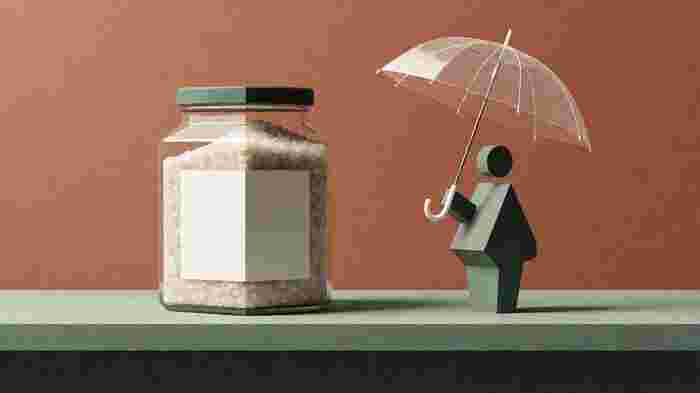
Think of preservatives like an umbrella.
把防腐剂想象成一把雨伞。
If it's raining, the umbrella keeps you dry.
如果下雨,雨伞能让你保持干爽。
If you throw away the umbrella because you don't like the look of it, you're going to get soaked.
如果你因为不喜欢雨伞的外观而把它扔掉,你就会被湿透。
Similarly, without preservatives, food spoils much faster.
同样,没有防腐剂,食物变质得更快。
It can develop mold, yeast, and harmful bacteria, leading to a much higher risk of foodborne illnesses.
它会滋生霉菌、酵母和有害细菌,导致患食源性疾病的风险要高得多。
That makes perfect sense.
这完全说得通。
But let's look at the other side of the coin.
但让我们看看事情的另一面。
If a company removes these chemical preservatives to get that coveted zero -additive label, how do
如果一家公司去除这些化学防腐剂是为了获得那个令人梦寐以求的零添加标签,他们如何
they keep the food from spoiling?
防止食物变质?
How do they make it last on the shelf?
他们如何让它在货架上保持更久?
This is where the marketing trap becomes a health trap.
这就是营销陷阱变成健康陷阱的地方。
To make a food zero additives but still give it a long shelf life, manufacturers often rely on
为了做出零添加但仍具有较长保质期的食品,制造商往往依赖于
traditional preservation methods.
传统的防腐方法。
And how do they do that?
那他们是怎样做到的呢?
By adding high amounts of salt, sugar, or oil.
通过添加大量的盐、糖或油。
For example, if you buy a zero -additive salad dressing or sauce, you might find that it contains
例如,如果你买瓶零添加的沙拉酱或调味料,你可能会发现它含有
significantly more sodium or sugar than the regular version.
比普通版本显著更多的钠或糖。
They use these ingredients because high concentrations of salt and sugar naturally draw moisture out
他们使用这些成分是因为高浓度的盐和糖会自然地吸收水分
of bacterial cells, preventing them from multiplying. Aha.
从细菌细胞中抽出水分,阻止它们繁殖。啊哈。
So in trying to avoid a tiny, regulated amount of a food additive, we might actually end up
因此,为了避免摄入微量、受监管的食品添加剂,我们最终可能
consuming much higher amounts of sodium and sugar, which we know are major contributors to high
摄入高得多的钠和糖,而我们知道这是导致高
blood pressure, heart disease, and diabetes.
血压、心脏病和糖尿病的主要诱因。
That sounds like a bad trade -off.
这听起来是一个糟糕的权衡。
It is a terrible trade -off.
这确实是一个糟糕透顶的权衡。
From a public health perspective, excessive sodium and sugar are far more dangerous to the average
从公共卫生的角度来看,过量的钠和糖对普通人来说要危险得多
person than legally approved food additives.
相比于合法批准的食品添加剂。
The food additives allowed in our food systems go through rigorous safety assessments by government
我们食品系统中允许使用的食品添加剂经过政府部门严格的安全评估
bodies, like the FDA in the United States or the EFSA in Europe.
如美国的FDA或欧洲的EFSA等机构。
They are tested to ensure they do not cause harm at the levels consumed.
它们经过测试,以确保在常规摄入水平下不会造成伤害。
But we already have overwhelming evidence that too much salt and sugar directly causes chronic diseases.
但我们已经有压倒性的证据表明,过量的盐和糖会直接引发慢性疾病。
Let us pause there for a second.
让我们在这里暂停一下。
This is a crucial point for our listeners. Dr.
这对我们的听众来说是一个关键要点。奥利维亚博士
Olivia is saying that regulated food additives are thoroughly tested and safe in small amounts.
奥利维亚博士说,受监管的食品添加剂经过了彻底的测试,少量使用是安全的。
However, the ingredients used to replace them, like extra salt and sugar, are major health risks.
然而,用于替代它们的成分,如额外的盐和糖,是主要的健康风险。
So zero additives does not mean healthier.
所以零添加剂并不意味着更健康。
In fact, it can sometimes mean the opposite. Precisely.
事实上,有时情况甚至恰恰相反。确切地说。
And there is another trick in the food industry known as clean labeling.
在食品行业中,还有另一个被称为清洁标签的花招。
A manufacturer might write zero additives on the front of the packaging.
制造商可能会在包装正面印上“零添加”。
But if you turn it over and look at the ingredients list, you might see ingredients like yeast
但如果你翻过来看看配料表,你可能会看到像酵母这样的成分
extract, celery powder, or concentrated fruit juice.
提取物、芹菜粉或浓缩果汁。
To the average consumer, these sound healthy and natural.
对于普通消费者来说,这些听起来健康又天然。
But scientifically, celery powder is naturally high in nitrates, which act exactly like the
但从科学角度来看,芹菜粉天然富含硝酸盐,其作用完全类似于
synthetic preservative sodium nitrate.
合成防腐剂硝酸钠。
Yeast extract is used to add flavor, acting just like monosodium glutamate or MSG.
酵母提取物用于增加风味,其作用就像味精(谷氨酸钠)一样。
So they are using these ingredients to do the exact same job as the additives, but they do not have
因此,他们利用这些成分来实现与添加剂完全相同的作用,但他们却不必
to list them as additives.
将其列为添加剂。
It is pure marketing.
这纯粹是营销手段。
That is fascinating.
这太引人入胜了。
It sounds like they are just using legal loopholes to make the ingredient list look clean.
听起来他们只是利用法律漏洞来让配料表看起来干净。
Celery powder is just natural sodium nitrate, but it sounds like a vegetable.
芹菜粉不过是天然硝酸钠,但听起来像是一种蔬菜。
That is incredibly clever and quite misleading.
这极其聪明,而且相当具有误导性。
Yes, it is very misleading.
是的,这非常有误导性。
And ironically, natural sources of these chemicals can sometimes be less consistent in quality than
而讽刺的是,这些化学物质的天然来源有时在质量上不如
their purified synthetic counterparts.
它们经过提纯的合成对应物那样稳定。
With synthetic additives, scientists know the exact dosage and purity.
使用合成添加剂时,科学家知道确切的剂量和纯度。
With natural extracts, the concentrations can vary widely.
而对于天然提取物,其浓度可能会有很大差异。
So as smart consumers, how do we navigate this?
那么作为聪明的消费者,我们该如何应对这种情况呢?
When we go shopping, what should we actually look for on the back of the package instead of just
去购物时,我们实际上应该看包装背面上的什么内容,而不是仅仅
trusting the flashy slogans on the front?
相信正面那些吸睛的口号?
My first piece of advice is ignore the front of the package.
我的第一个建议是忽略包装的正面。
The front is for marketing.
正面是用作营销的。
The back is for truth.
背面才是真相所在。
When you turn the package over, look at two things, the ingredients list and the nutrition facts panel.
当你翻过包装时,看两样东西:配料表和营养成分表。
First, look at the length of the ingredients list.
首先,看一下配料表的长度。
Generally, a shorter list is easier to understand, but do not panic if you see a scientific name.
一般来说,较短的列表更容易理解,但如果你看到化学名称也不要恐慌。
For example, ascorbic acid is just vitamin C, and tocopherols are just vitamin E.
例如,抗坏血酸就是维生素C,而生育酚就是维生素E。
They are used as antioxidants to stop oils from going rancid.
它们被用作抗氧化剂,防止油脂变质酸败。
That is a great vocabulary tip for our English learners.
对于我们的英语学习者来说,这是一个很好的词汇小贴士。
Ascorbic acid is vitamin C, and tocopherols are vitamin E.
抗坏血酸是维生素C,生育酚是维生素E。
So if we see those, we are actually looking at vitamins acting as natural preservatives. Exactly.
因此,如果我们看到这些,我们实际上是在看充当天然防腐剂的维生素。完全正确。
Second, look at the nutrition facts panel.
其次,看一下营养成分表。
Check the actual numbers for sodium, added sugars, and saturated fats.
检查钠、添加糖和饱和脂肪的实际数值。
If a zero -additive product has double the sodium of a regular product, choose the regular one.
如果一款零添加产品的钠含量是常规产品的两倍,请选择常规产品。
Your blood pressure will thank you.
你的血压会感谢你的。
Do not let the fear of a long chemical name distract you from the actual nutritional value of the food.
不要让对冗长化学名称的恐惧干扰你对食物实际营养价值的判断。
That is such practical advice.
这真是太实用的建议了。
We need to look at the big picture of nutrition, rather than focusing on a single buzzword.
我们需要关注营养的整体状况,而不是仅仅关注单个流行词。
Now, Olivia, looking ahead, how do you see the future of food preservation evolving?
现在,奥莉维亚,展望未来,你如何看待食品保鲜技术的未来演变?
Are scientists working on ways to keep food fresh without relying on either heavy chemicals or high
科学家们是否正在寻找无需依赖大量化学物质或高
salt and sugar?
盐和糖来保持食物新鲜的方法?
Yes, this is an exciting area of research.
是的,这是一个令人振奋的研究领域。
We are looking at physical preservation technologies, rather than chemical ones.
我们正在研究物理保鲜技术,而非化学技术。
For example, there is high -pressure processing, or HPP.
例如,有高压加工技术,简称HPP。
This technology uses extreme water pressure to inactivate microbes in food, like fresh juices or
该技术利用极高水压来灭活食物中的微生物,例如新鲜果汁或
guacamole, without heat and without preservatives.
牛油果酱,无需加热且无需防腐剂。
This keeps the food fresh and preserves the nutrients.
这样既能保持食物新鲜,又能保留营养成分。
We are also exploring active packaging, which uses materials that can absorb oxygen or moisture
我们还在探索活性包装,它所使用的材料可以吸收
inside the package to slow down spoiling naturally.
包装内部的氧气或水分,从而自然延缓变质。
The future is not about going backward to primitive methods, but using smart technology to make food
未来并不是倒退回原始的方法,而是利用智能技术使食物
safer and healthier.
更安全、更健康。
Physical preservation through high -pressure and smart packaging.
通过高压和智能包装实现物理保鲜。
That sounds like a win -win for everyone. Dr.
这听起来对大家来说都是双赢的,奥利维亚博士。
Olivia, thank you so much for sharing your expertise with us today.
奥利维亚,非常感谢你今天与我们分享你的专业知识。
You have truly demystified the zero -additive trend.
你真正揭秘了零添加这一趋势。
It was my absolute pleasure, Caleb.
这对我来说是绝对的荣幸,凯莱布。
Remember, eat a balanced diet, stay curious, and always read the back of the label.
记住,保持均衡饮食,保持好奇心,并仔细阅读标签背面。
What an enlightening conversation.
这是一场多么富有启发性的对话。
To sum up our talk today, zero -additives does not automatically mean healthier.
总结我们今天的谈话,零添加并不必然意味着更健康。
Sometimes, these foods contain hidden high levels of salt and sugar to make up for the lack of preservatives.
有时,这些食物含有隐性高盐高糖,以弥补缺乏防腐剂的问题。
Regulated additives are safe and serve crucial roles in keeping our food free from dangerous bacteria.
受监管的添加剂是安全的,并且在防止我们的食物产生危险细菌方面发挥着至关重要的作用。
So always turn that package over and look at the nutrition facts.
所以一定要翻过包装袋看看营养成分表。
Now, dear listeners, we have an interesting question for you today.
现在,亲爱的听众们,我们今天有一个有趣的问题要问大家。
What is one food product in your kitchen that you recently bought because it was labeled zero
你厨房里哪款食品是最近因为被标注为“零”而购买的
additives or natural?
添加剂还是天然的?
And what does its nutrition label actually say about its salt or sugar content?
它的营养成分表上关于盐分或糖分的含量究竟是怎么说的?
Please write down your answers in the comment section, or check out what other listeners have discovered.
请在评论区写下你的答案,或者看看其他听众发现了什么。
It is a great way to learn together.
这是大家一起学习的好方法。
If you enjoyed this episode, please consider joining our TalkCast membership program for exclusive
如果你喜欢本期节目,请考虑加入我们的 TalkCast 会员计划以获取独家
content, subscribing to our channel, and sharing this episode with your friends and family who are
内容、订阅我们的频道,并将本期节目分享给你的亲朋好友,他们正在
learning English or interested in healthy living.
学习英语或对健康生活感兴趣。
Your feedback and support mean the world to us.
您的反馈和支持对我们来说意义重大。
As a reminder, the full English transcript and audio of this episode will be regularly uploaded on
温馨提示,本期节目的英文逐字稿和音频将定期上传至
our official website at www .talkcast .top and our WeChat official account, TalkCast.
我们的官方网站 www.talkcast.top 以及我们的微信公众号 TalkCast。
Feel free to visit them to study the vocabulary and practice your listening.
欢迎随时访问它们来学习词汇和练习听力。
Thank you for listening, stay healthy, and see you next time on TalkCast.
感谢您的收听,保持健康,我们下期 TalkCast 再见。