Interactive transcript · 138 lines
Welcome to TalkCast, the podcast where we break down complex science, technology, and global trends
欢迎来到 TalkCast,这是一个将复杂的科学、技术和全球趋势进行剖析的播客。
into clear, everyday language.
转化为清晰、日常的语言。
I am your host, Rachel.
我是你们的主持人,瑞秋。
If you have ordered food delivery recently, you have probably noticed the sheer amount of plastic
如果你最近点过外卖,你可能已经注意到塑料容器数量之大。
containers that come with a single meal.
每份饭都配备了这些塑料容器。
Most of these boxes end up in trash bins just minutes after we finish eating.
在我们吃完饭几分钟后,这些盒子大部分都进了垃圾桶。
But what if those thin plastic containers could become something useful, durable, and beautiful in
但是,如果那些薄薄的塑料容器能变成你们当地社区中有用、耐用且美丽的物品呢?
your local neighborhood?
你所在的社区?
That is exactly what is happening in Shenzhen right now.
这正是目前深圳正在发生的事情。
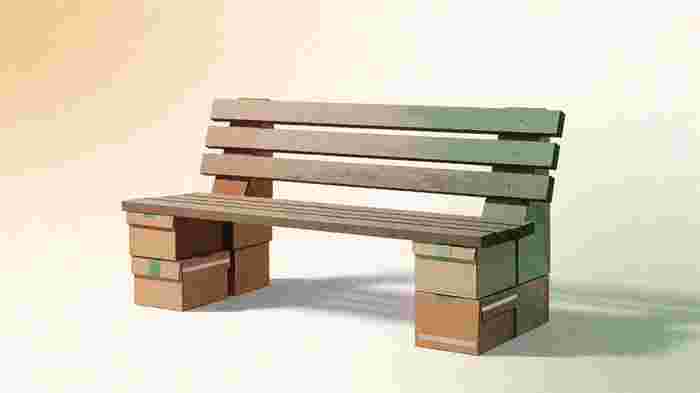
City parks are installing public benches made entirely out of recycled food delivery boxes and
城市公园正在安装完全由回收的外卖盒和塑料瓶制成的公共长椅。
plastic bottles.
塑料瓶。
It is a creative initiative that shows how urban waste can be turned into public treasures.
这是一个极具创意的倡议,展示了城市垃圾如何变成公共财富。
To help us understand the engineering and science behind this transformation, we are joined by Dr.
为了帮助我们理解这一转变背后的工程学和科学,我们邀请到了环境工程与循环经济专家丹尼尔博士。
Daniel, an expert in environmental engineering and circular economy.
丹尼尔,环境工程与循环经济专家。
Welcome to TalkCast, Daniel.
欢迎来到 TalkCast,丹尼尔。
Thank you so much for having me, Rachel.
非常感谢邀请我,瑞秋。
It is great to be here with you and all our listeners today.
很高兴今天能和你以及我们所有的听众在这里。
Daniel, let us start with the big picture.
丹尼尔,让我们从宏观大局开始。
When most of us finish our takeout meal, we throw away those plastic containers without a second thought.
当大多数人吃完外卖时,我们往往毫不犹豫地把那些塑料容器扔掉,不加思考。
Why has recycling food containers historically been such a big challenge for cities around the world?
为什么回收食品容器在历史上一直是世界各地城市的一大挑战?
That is a great question to start with.
这是一个很好的开始的问题。
Food containers present two main difficulties for traditional recycling systems, material type and contamination.
食品容器给传统回收系统带来了两个主要困难:材料类型和污染。
Takeaway containers are usually made of polypropylene, often abbreviated as PP, or polyethylene
外卖容器通常由聚丙烯(通常被缩写为 PP)或聚乙烯制成
terephthalate, known as PET.
对苯二甲酸乙二醇酯,被知晓为 PET。
These plastics are actually very useful because they are lightweight, water -resistant, and heat -resistant.
这些 plastics 实际上非常有用,因为它们轻便、防水且耐热。
However, because they touch food, they get covered in oil, sauce, and organic residue.
然而,由于它们接触食物,它们会沾满油、酱汁和有机残留物。
In traditional recycling plants, oil and grease interfere with the recycling process.
在传统的回收厂中,油脂会干扰回收过程。
Cleaning millions of greasy plastic boxes requires a lot of water and energy, which often makes
清洗数百万个油腻的塑料盒子需要大量的水和能源,这往往使
traditional recycling expensive and unappealing for companies.
传统回收变得昂贵且对公司缺乏吸引力。
So in the past, washing those dirty containers was simply too costly and complicated.
所以在过去,清洗那些脏容器实在是成本高昂且复杂。
But now engineers have found a way to turn them into sturdy park benches.
但现在工程师们已经找到了一种方法,将它们变成坚固的公园长椅。
How do we get from a thin, greasy meal box to a solid bench that can hold the weight of several adults?
我们如何从一个薄而油腻的外卖盒变成一个能承受几个成年人重量的结实长椅?
The process is truly fascinating, and it combines mechanical engineering with smart chemistry.
这个过程确实令人着迷,它将机械工程与智能化学结合在一起。
It starts with dedicated collection systems, where plastic waste is gathered from delivery hubs,
它从专门的收集系统开始,塑料废物从配送中心收集,
restaurants, or community collection points.
餐厅或社区收集点。
Once collected, the plastics go through an advanced industrial washing system.
收集后,塑料会经过先进的工业洗涤系统。
Modern facilities use specialized, non -toxic detergent solutions and high -speed centrifuges to strip
现代设施使用专门的无毒洗涤剂溶液和高速离心机剥离
away all traces of food, oil, and labels using very little water.
使用极少的水去除所有食物、油和标签的痕迹。
After the plastic is clean and dry, it gets shredded into tiny, colorful plastic chips or flakes.
塑料清洁干燥后,会被切碎成微小、五颜六色的塑料碎片或薄片。
Shredding it into small flakes makes sense, but how do those small flakes become strong enough to
把它切碎成小薄片是有道理的,但是这些小薄片是如何变得足够坚固以至于
make furniture?
制作家具的?
This is where compounding comes in.
这就是复合技术发挥作用的地方。
Shredded plastic flakes are melted down at controlled high temperatures.
切碎的塑料片在受控的高温下被熔化。
But melted plastic alone is not strong enough to bear heavy weight over many years.
但是单靠融化的塑料并不足以承受多年的重压。
So engineers blend the melted plastic with reinforcing materials, such as glass fibers or
因此,工程师将熔化的塑料与增强材料(如玻璃纤维或)混合
specialized structural additives.
专用的结构添加剂。
This mixture is then forced through a machine and molded into thick, solid beams.
然后将该混合物压入机器中并被模塑成厚实的实心梁。
In the industry, we call this material plastic lumber.
在行业中,我们将这种材料称为塑料木材。
Once these beams cool and harden, they can be cut, drilled, and assembled just like traditional
一旦这些梁冷却并变硬,它们就可以像传统的那样被切割、钻孔和组装
wooden boards to build park benches, tables, or trash cans.
木板建造公园长椅、桌子或垃圾桶。
Plastic lumber.
塑料木材。
That sounds like a wonderful alternative to cutting down trees for timber.
这听起来像是砍伐树木获取木材的一个绝佳替代方案。
You mentioned earlier that this process is an example of upcycling.
你先前提到这个过程是向上循环(变废为宝)的一个例子。
Our listeners might be familiar with the word recycling, but what is the difference between
我们的听众可能对 recycling(回收)这个词很熟悉,但两者的区别在于……
recycling and upcycling?
回收利用与向上循环之间有什么区别?
I am glad you brought that up, Rachel.
我很高兴你提出这一点,雷切尔。
It is an important distinction.
这是一个重要的区别。
Standard recycling often involves downcycling.
标准的回收通常涉及降级回收。
Downcycling means that every time a material is processed, its quality decreases.
降级回收意味着材料每被加工一次,其质量就会下降。
For instance, a clear plastic water bottle might be recycled into a lower -quality plastic bag, and
例如*,一个透明的塑料水瓶可能会被回收成低质量的塑料袋,并且……
after that, it cannot be recycled again and ends up in a landfill.
在那之后,它就不能再次被回收了,最终会进入垃圾填埋场。
Upcycling, on the other hand, means taking waste materials and transforming them into something of
另一方面,变废为宝意味着收集废旧材料,并将其转化为……
higher value, better quality, or longer lifespan than the original item.
比原物品具有更高价值、更好质量或更长寿命的东西。
When we take single -use food containers, items used for just 30 minutes, and transform them into
当我们将使用仅仅30分钟的一次性食品容器……
sturdy park benches that last for 15 or 20 years, that is a textbook example of upcycling.
转化为能使用15到20年的坚固公园长椅时,这就是变废为宝的教科书式例子。
That makes so much sense.
这太有道理了。
Upcycling actually elevates the value and life of the material, instead of letting it degrade.
变废为宝实际上提升了材料的价值和寿命,而不是让它降质。
But I have a practical question that our listeners might be wondering about.
但我有一个我们的听众可能会想到的实际问题。
Park benches sit outdoors all year round.
公园的长椅一年四季都放在户外。
They face rain, sunlight, high heat, and cold temperatures.
它们面临着雨水、阳光、高温和寒冷的气温。
Will these plastic benches degrade or melt under intense sunlight?
这些塑料长椅在强烈的阳光下会降解或融化吗?
That is a very valid concern.
这是一个非常合理的担忧。
Pure plastic, especially thin plastic, can indeed degrade under sunlight due to ultraviolet
纯塑料,尤其是薄塑料,在阳光下确实会因为紫外线而降解……
radiation, commonly called UV rays.
即辐射(通常被称为紫外线)。
Sunlight breaks down the chemical bonds in plastic, making it brittle and faded over time.
阳光会破坏塑料中的化学键,随着时间的推移,使其变得脆而褪色。
To solve this problem, chemical engineers add UV stabilizers and antioxidant compounds into the
为了解决这个问题,化学工程师在……中添加了紫外线稳定剂和抗氧化化合物。
molten plastic during manufacturing.
在制造过程中加入到熔融的塑料中。
These additives act like sunscreen for the bench.
这些添加剂就像是长椅的防晒霜。
They absorb harmful rays and prevent the material from breaking down.
它们吸收有害射线,防止材料分解。
As a result, plastic lumber actually outperforms traditional wood in outdoor environments.
因此,塑料木材在户外环境中的表现实际上优于传统木材。
It does not absorb moisture, so it will not rot, warp, or crack during rainy seasons.
它不吸收水分,所以在雨季不会腐烂、变形或开裂。
And termites or insects will not eat it.
而且白蚁或昆虫不会吃它。
It requires almost zero maintenance compared to wooden benches.
与木制长椅相比,它几乎不需要维护。
So it is actually more durable than traditional wooden furniture.
所以它实际上比传统的木制家具更耐用。
That brings us to another fascinating aspect of this story, the concept of the circular economy.
这把我们带到了这个故事的另一个迷人的方面,即循环经济的概念。
Could you explain what a circular economy is and how initiatives like these park benches fit into it? Absolutely.
你能解释一下什么是循环经济,以及像这些公园长椅这样的倡议是如何融入其中的吗?完全可以。
For over a century, our global society has operated on a linear economy model.
一个多世纪以来,我们的全球社会一直以线性经济模式运行。
In a linear model, we follow a path of take, make, and dispose.
在线性模型中,我们遵循获取、制造和处理的路径。
We take raw materials from nature, make products, use them briefly, and then dispose of them as trash.
我们从大自然中获取原材料,制造产品,短暂地使用它们,然后把它们作为垃圾处理掉。
A circular economy redesigns this process to eliminate waste entirely.
循环经济重新设计了这一过程,以彻底消除废物。
In a circular model, products are designed so that at the end of their useful life, their materials
在循环模型中,产品的设计使得在其有用寿命结束时,其材料……
are recovered and reused continuously.
能够被不断地回收和再利用。
By taking food containers from urban consumers, processing them, and returning them to the same
通过从城市消费者那里回收食品容器,对其进行加工,并将它们归还到……
public spaces as public benches, we close the loop.
相同的公共空间作为公共长椅,我们闭合了这一环路。
It creates a local economic loop where waste is no longer garbage.
它创造了一个地方经济循环,在这里垃圾不再是废物。
It is treated as a valuable resource.
它被视为一种有价值的资源。
Closing the loop, that is a great visual image.
闭环,这是一个极好的视觉形象。
Beyond the environmental benefits, what kind of impact is seeing these recycled benches have on
除了环境效益之外,看到这些回收的长椅对……产生什么样的影响?
everyday citizens?
普通公民?
The psychological impact is huge, Rachel.
心理影响是巨大的,雷切尔。
Many people want to help the environment, but when they toss a plastic container into a recycling
许多人想要保护环境,但当他们把塑料容器扔进回收
bin, they rarely see where it goes.
却很少看到它去了哪里。
It feels abstract.
这感觉很抽象。
But when citizens sit on a bench in a city park and read a small label that says, this bench was
但当市民们坐在城市公园的长椅上,读着一块小标签,上面写着这个长椅是
made from 2 ,000 recycled food containers, the concept of sustainability becomes visible and real.
由2,000个回收的食品容器制成时,可持续发展的概念就变得可视且真实了。
It acts as a positive nudge.
这起到了一个积极的推动作用。
It encourages people to separate their trash carefully because they can see the direct benefits in
它鼓励人们仔细分类垃圾,因为他们能看到
their own public parks.
他们自己公共公园里的直接好处。
It connects daily consumer choices directly to urban improvement.
它将日常消费者的选择直接与城市改善联系起来。
It makes environmental responsibility feel tangible and rewarding.
它让环保责任感变得切实且有回报。
Looking ahead, Daniel, where else do you see this technology going?
展望未来,丹尼尔,你认为这项技术未来还会应用到哪里?
Are park benches just the beginning?
公园长椅仅仅只是一个开始吗?
Benches are definitely just the starting point.
长椅绝对只是起点。
Around the world, researchers and green tech companies are finding new ways to upcycle post -consumer plastics.
世界各地,研究人员和绿色科技公司正在寻找升级再造消费后塑料的新方法。
For example, recycled plastics are now being mixed with asphalt to create recycled plastic roads.
例如,回收的塑料现在正与沥青混合,以建造再生塑料道路。
These roads are surprisingly durable, flexible and resistant to potholes.
这些道路出奇地耐用、具有柔韧性且抗坑洼。
In construction, plastic lumber is being used for noise barriers along highways, outdoor decking and
在建筑领域,塑料木材正被用于高速公路旁的隔音屏障、户外露台以及
even soundproofing panels inside buildings.
甚至建筑物内部的隔音板。
In the fashion industry, recycled PET bottles are being spun into fibers to make winter jackets,
在时尚界,回收的PET瓶正在被纺成纤维,以制作冬季夹克、
sneakers and backpacks.
运动鞋和双肩包。
The ultimate goal is to reach a future where no plastic ever reaches an ocean or a landfill.
最终的目标是迎来一个塑料再也不会进入海洋或垃圾填埋场的未来。
That is an inspiring vision for the future of our planet.
对于我们星球的未来,这是一个鼓舞人心的愿景。
It shows that with smart technology and community cooperation, we can rethink how we treat waste.
它表明,通过智能技术和社区合作,我们可以重新思考如何对待废弃物。
Daniel, thank you so much for breaking down this topic so clearly for us today.
丹尼尔,非常感谢你今天为我们如此清晰地剖析这个话题。
My pleasure, Rachel.
不客气,雷切尔,这是我的荣幸。
Thank you for having me on TalkCast.
感谢邀请我来到TalkCast节目。
And that brings us to the end of today's episode of TalkCast.
这将我们带到了今天这期 TalkCast 节目的尾声。
We learned today how advanced engineering and smart chemistry can turn everyday takeaway containers
我们今天了解到先进的工程学和智慧化学如何将日常外卖容器
into long -lasting public benches through upcycling, helping us build a cleaner, circular economy.
通过升级再造变成持久耐用的公共长椅,帮助我们建立一个更清洁、循环的经济。
Before we wrap up, I have a question for all our listeners.
在我们总结之前,我有一个问题要问所有的听众。
If you could upcycle one item of household waste into something useful for your home or community,
如果你能将一件家庭废弃物升级再造,变成对你的家或社区有用的东西,
what would it be and what would you make?
那会是什么,你又会制作什么呢?
Please leave your answers in the comments section below, or check out what other listeners are
请在下方的评论区留下你的答案,或者看看其他听众
sharing in the comments.
正在分享的内容。
If you enjoyed today's show, please consider becoming a TalkCast member, subscribing to the show,
如果你喜欢今天的节目,请考虑成为 TalkCast 会员,订阅节目,
sharing it with friends, and leaving us a review.
与朋友分享,并给我们留下评价。
Your feedback and support helps us bring you more insightful interviews every week.
你们的反馈和支持帮助我们每周为您带来更多富有洞察力的访谈。
Thank you for listening, and until next time, keep learning and stay curious.
感谢收听,直到下次,保持学习,保持好奇。