Interactive transcript · 162 lines
Hello and welcome to TalkCast, the podcast where we explore the ideas, trends, and technologies
大家好,欢迎收听 TalkCast,这是一个我们探索各种理念、潮流与技术的播客节目
shaping our world.
它正在塑造我们的世界。
I am your host, Chloe.
我是你们的主持人 Chloe。
When you plan a trip abroad, what is the first thing on your itinerary?
当你计划出国旅行时,你行程单上的第一件事是什么?
For decades, the answer was familiar.
数十年来,这个答案大家都很熟悉。
Historic monuments, grand museums, and scenic natural wonders.
历史古迹、宏伟的博物馆以及壮丽的自然奇观。
If you visited China, that almost certainly meant the Great Wall, the Forbidden City, or Giant Pandas.
如果你访问中国,那必定意味着长城、紫禁城或大熊猫。
But recently, a surprising new travel trend has caught global attention.
但最近,一个令人惊叹的全新旅游趋势吸引了全球的目光。
International visitors are updating their travel checklists with an unexpected stop.
国际游客正在他们的旅行清单中加入一个意想不到的站点。
High -tech factories.
高科技工厂。
Instead of only touring ancient sites, travelers are heading to innovation hubs like Shenzhen and
除了参观古代遗址,旅行者们还前往深圳等创新中心和
Shanghai to watch drone swarms, ride autonomous robo -taxis, and walk through massive smart factories
上海,观看无人机集群,乘坐自动驾驶的机器人出租车,并穿梭于大型智能工厂中,
where robotic arms assemble electric vehicles.
那里的机械臂正在组装电动汽车。
So why are water and factories becoming the newest tourist attractions?
那么为什么水和工厂会成为最新的旅游景点呢?
What makes these automated workshops so captivating?
是什么让这些自动化车间如此迷人?
Joining us today to unpack this trend is Benjamin, a senior researcher specializing in tourism
今天加入我们来剖析这一趋势的是 Benjamin,一位专门从事旅游
economics and smart manufacturing.
经济学和智能制造的高级研究员。
Benjamin, welcome to TalkCast.
Benjamin,欢迎来到 TalkCast。
Thank you so much for having me, Chloe.
非常感谢你邀请我,Chloe。
It is wonderful to be here.
能来到这里真是太美妙了。
When people hear the words factory tour, they often imagine a noisy, gray assembly line from the
当人们听到工厂参观这个词时,他们通常会想象到上个世纪
last century.
那种嘈杂、灰暗的流水线。
But what international travelers are experiencing today is completely different.
但今天国际游客所体验到的却完全不同。
In modern manufacturing hubs, visitors are stepping into environments that feel like science fiction
在现代制造中心,游客们正步入宛如科幻小说
brought to life.
赋予生命。
People are crossing oceans not just to look back at ancient history, but to touch the future.
人们跨越大洋,不仅是为了回顾古代历史,更是为了触摸未来。
It is a fascinating cultural shift, and I am excited to discuss it with you.
这是一个迷人的文化转变,我很高兴能与你讨论它。
It really does sound like something out of a futuristic movie.
这听起来确实像是出自某部未来主义电影里的情节。
Benjamin, could you tell us what this trend looks like on the ground?
Benjamin,你能告诉我们这种趋势在实地是什么样的吗?
How did factory visits evolve from specialized business trips into viral travel experiences shared
工厂参观是如何从专用的商务旅行演变为日常游客分享的
by everyday tourists?
病毒式旅行体验的?
Traditionally, industrial tourism was quite a niche field.
传统上,工业旅游是一个相当小众的领域。
It was mostly reserved for engineers, business delegates, or students studying logistics.
它主要留给工程师、商务代表或学习物流的学生。
But two major factors changed that.
但两个主要因素改变了这一点。
First, manufacturing underwent an incredible technological revolution.
首先,制造业经历了一场令人难以置信的技术革命。
Today's facilities are showcases of artificial intelligence, high -precision robotics, and green energy.
今天的设施是人工智能、高精度机器人和绿色能源的展示窗口。
Second, modern travelers have changed.
第二,现代旅行者已经变了。
Today's tourists, especially younger generations, crave authentic, behind -the -scenes experiences.
今天的游客,尤其是年轻一代,渴望真实的、幕后的体验。
They do not just want another standard photo in front of a landmark that millions have already seen.
他们不只是想在数百万人都已经看过的地标前拍一张标准的照片。
They want to see how the devices they use every day, like smartphones and electric vehicles, are
他们想看看他们每天使用的设备,比如智能手机和电动汽车,是如何
actually built.
实际建造出来的。
Short videos showing robotic arms moving with millimeter precision regularly get millions of views
展示机械臂以毫米级精度移动的短视频经常在社交媒体上获得数百万的浏览量。
on social media.
在社交媒体上。
That digital curiosity has naturally turned into real -world travel demand.
这种数字好奇心自然而然地转化为了现实世界的旅行需求。
Visitors feel that if they travel to a leading tech nation, seeing its automated heartbeat is an
游客们觉得,如果他们去一个领先的科技国家旅行,看到其自动化的心跳是
essential part of the journey.
旅程中必不可少的一部分。
That makes total sense.
这很有道理。
We all love seeing how things work behind the scenes.
我们都喜欢看事物是如何在幕后运作的。
Now, for someone who has never been inside a modern smart facility, what does it actually feel like?
现在,对于从未去过现代智能设施内部的人来说,那究竟是什么感觉?
I have heard people talk about lights -out factories.
我听人们谈论过无灯工厂。
Could you explain what that means and what visitors see when they step inside?
你能解释一下这是什么意思以及游客走进去时会看到什么吗?
Lights -out factories are often the biggest highlight for visitors.
“关灯工厂”往往是游客最大的亮点。
In simple terms, a lights -out factory is a production facility so automated that it requires zero
简单来说,“关灯工厂”是一种高度自动化的生产设施,它需要零
human workers on the factory floor during operation.
在工厂车间运营期间不需要任何人类工人。
Because the machines and robotic arms rely on infrared sensors, lasers, and computer vision rather
因为机器和机械臂依靠红外传感器、激光和计算机视觉,而不是
than human eyesight, the lights can literally be switched off.
依赖人类视力,灯光简直可以被关掉。
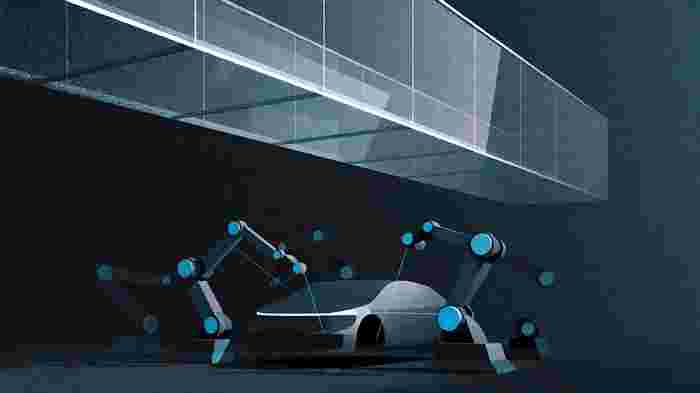
When tourists visit, they usually walk along elevated glass skywalks above the floor.
当游客参观时,他们通常沿着地板上方高架的玻璃空中走廊行走。
Down below, hundreds of robotic arms weld, paint, or assemble components in perfect synchronization.
在下方,数百个机械臂在完美的同步下进行焊接、喷漆或组装组件。
Small driverless vehicles, known as automated guided vehicles, glide quietly across the floor
被称为自动导引车的小型无人驾驶车辆,在地面上静静地滑行
carrying materials between workstations.
在工作站之间运送材料。
It is remarkably clean, quiet, and orderly.
这里异常干净、安静且井然有序。
Many visitors describe it as a mechanical ballet.
许多游客将其描述为一场机械芭蕾。
It completely overturns the old idea of manufacturing as dark and dirty, replacing it with a sense
它完全颠覆了制造业黑暗肮脏的旧观念,取而代之的是一种
of pure technological wonder.
纯粹的技术奇观感。
A mechanical ballet.
一场机械芭蕾。
What a fantastic description.
多么美妙的描述。
But let us look at the psychological side of this.
但让我们来看看这背后的心理学层面。
Why are humans so captivated by watching things get made?
为什么人类对观看物品的制造过程如此着迷?
Psychologists often discuss our need to demystify everyday objects.
心理学家经常讨论我们揭秘日常物品的需求。
Does that explain why travelers find these tours so compelling?
这是否解释了为什么游客发现这些参观如此引人入胜?
It certainly does, Chloe.
当然如此,克洛伊。
In psychology, we talk about the demystification effect.
在心理学中,我们讨论去神秘化效应。
Most of us use smartphones, laptops, and electric cars every single day, but to our minds, they
我们大多数人每天都在使用智能手机、笔记本电脑和电动汽车,但在我们的脑海中,它们
remain black boxes.
依然是黑盒。
We push a button and expect them to work without understanding the intricate engineering inside.
我们按下一个按钮,期望它们能正常工作,却不理解里面错综复杂的工程技术。
Stepping into a smart factory opens that black box.
走进智能工厂就打开了这个黑盒。
You witness raw metal sheets being stamped and thousands of tiny components joining together until a
你会目睹生金属板被冲压,数千个微小的组件结合在一起,直到
complete vehicle rolls off the line every minute.
每分钟都有一辆完整的汽车下线。
That satisfies our deep, natural curiosity to understand how our world functions.
这满足了我们深入、天生的好奇心,去理解我们的世界是如何运转的。
There is also an aesthetic pleasure in watching absolute precision.
观看绝对的精确也有一种美学上的乐趣。
In daily life, things can feel messy and unpredictable.
在日常生活中,事情可能会让人觉得混乱且不可预测。
Seeing hundreds of robotic arms perform complex tasks with flawless rhythm gives the human brain a
看到数百个机械臂以无瑕的节奏执行复杂的任务,给人类大脑带来了
profound feeling of order and satisfaction.
一种深刻的秩序感和满足感。
It really does turn precision engineering into visual art.
它确实将精密工程变成了视觉艺术。
Now, from a business perspective, opening factory doors to tourists sounds exciting, but doesn't it
现在,从商业视角来看,向游客开放工厂大门听起来令人兴奋,但难道它不
present operational challenges?
会带来运营挑战吗?
Manufacturing plants have strict safety rules and production targets.
制造工厂有严格的安全规则和生产目标。
How do companies welcome visitors without disrupting work?
公司如何在不干扰工作的情况下欢迎游客?
The secret lies in smart architectural design.
秘诀在于巧妙的建筑设计。
Companies that embrace industrial tourism design their facilities with visitor corridors built right
拥抱工业旅游的公司在设计设施时,将游客走廊直接建在
into the structure.
结构之中。
Elevated walkways and transparent glass bridges keep visitors safe and completely separate from
高架人行道和透明玻璃桥确保游客的安全,并使其与
active machinery and automated delivery routes.
运行中的机械和自动配送路线完全隔离。
This also protects sensitive trade secrets while giving guests a panoramic view of the assembly process.
这也保护了敏感的商业秘密,同时让客人对组装过程有一个全景的视野。
For the business, the benefits are enormous.
对企业而言,益处是巨大的。
In marketing, we call this the transparency dividend.
在营销中,我们称之为透明红利。
When a company openly shows how clean, precise, and safe its production is, customer trust rises dramatically.
当一家公司公开展示其生产是多么清洁、精准和安全时,客户的信任度会显著上升。
If you see an electric car or battery being assembled with extreme care, you naturally trust that
如果你看到电动汽车或电池是在极度细致下组装的,你自然会
product more.
产生更多的信任。
Furthermore, visitors love recording videos of the robots and sharing them online, generating
此外,游客喜欢拍摄机器人的视频并在网上分享,从而产生
authentic global brand awareness that traditional advertising simply cannot match.
传统广告根本无法企及的真实全球品牌知名度。
The transparency dividend.
透明度红利。
That is a memorable term.
这是一个令人难忘的术语。
Seeing that level of care firsthand builds genuine trust.
亲自看到这种程度的关怀能建立真正的信任。
Looking beyond individual brands, what does this trend mean for cities and the travel industry as a whole?
跳出单个品牌来看,这一趋势对城市和整个旅游业意味着什么?
How does tech tourism reshape local economies?
科技旅游是如何重塑地方经济的?
It is creating a brand new economic opportunity.
它正在创造一个全新的经济机遇。
Historically, cities without famous ancient monuments or stunning natural landscapes struggled to
历史上,那些没有著名古代古迹或绝美自然景观的城市很难
draw international tourists.
吸引国际游客。
If a city was known mainly for manufacturing, travelers would usually skip it.
如果一个城市主要以制造业闻名,游客通常会跳过它。
Tech tourism completely alters that dynamic.
科技旅游彻底改变了这种动态。
Cities like Shenzhen, Hefei, or Dongguan can now market themselves as global centers of innovation.
深圳、合肥或东莞等城市现在可以将自己推销为全球创新中心。
A visitor might spend the morning touring a robotics facility, the afternoon riding an autonomous
游客可能会花上午时间参观机器人设施,下午乘坐自动驾驶的
taxi, and the evening enjoying a high -tech drone show.
出租车,晚上欣赏高科技无人机表演。
This brings significant revenue to local hotels, restaurants, and tech -focused tour services.
这为当地的酒店、餐馆和以科技为重点的旅游服务带来了巨额收入。
Even more importantly, it transforms international perceptions.
更重要的是,它改变了国际看法。
These regions are no longer seen simply as production lines, but as dynamic epicenters of future
这些地区不再仅仅被视为生产线,而是被视为未来的充满活力的中心
technology and human ingenuity.
技术和人类的独创性。
That is a great shift for industrial cities.
这对工业城市来说是一个巨大的转变。
Now, factory tours have existed before.
现在,工厂参观以前就存在过。
For instance, touring car plants in Germany or watchmakers in Switzerland.
例如,参观德国的汽车工厂或瑞士的钟表制造商。
How does this new wave of smart factory tourism differ from those classic European models?
这股智能工厂旅游的新浪潮与那些经典的欧洲模式有何不同?
That is an insightful comparison, Chloe.
这是一个见解深刻的比较,克洛伊。
Traditional European industrial tourism was largely founded on heritage and human craftsmanship.
传统的欧洲工业旅游很大程度上建立在遗产和人类工艺的基础之上。
It celebrated decades of artisan skill and historical tradition.
它赞美了几十年的工匠技艺和历史传统。
This new wave of smart factory tourism, however, is focused firmly on the future.
然而,这股智能工厂旅游的新浪潮坚定地聚焦于未来。
It is not about looking backward at how items were crafted a century ago.
它并不是要回顾一个世纪前物品是如何被制作出来的。
It is about catching a glimpse of what tomorrow will look like.
它是关于瞥见明天会是什么样子。
The main attractions here are artificial intelligence, automation, clean energy, and smart logistics.
这里的主要吸引力是人工智能、自动化、清洁能源和智能物流。
It is energetic, forward -looking, and highly visual.
它充满活力、具有前瞻性且极具视觉感。
Additionally, many modern tours incorporate interactive elements like virtual reality demonstrations
此外,许多现代旅游包含了诸如虚拟现实演示之类的互动元素
and custom product kiosks, turning passive spectators into engaged participants.
以及定制的产品商亭,将消极的旁观者变成积极的参与者。
Looking ahead, where do you see industrial tourism going over the next five to ten years?
展望未来,你认为未来五到十年工业旅游会走向何方?
Will smart factory visits become standard stops on international vacations?
智能工厂参观会成为国际度假的标准站点吗?
Or will virtual factory tours take over?
还是虚拟工厂旅游会接管?
I believe we will see both paths grow side by side.
我相信我们会看到两条路径并肩发展。
On the physical side, smart factory visits will become regular features in mainstream tour packages,
在实体方面,智能工厂参观将成为主流旅游套餐中的常规项目,
alongside museums and historical parks.
与博物馆和历史公园并存。
We may see dedicated tech tourism routes linking major industrial cities across regions.
我们可能会看到连接跨区域主要工业城市的专用科技旅游路线。
On the digital side, virtual reality and digital twins will allow anyone in the world to explore
在数字端,虚拟现实和数字孪生将允许世界上任何人去探索
advanced factories remotely.
远程探索先进工厂。
A student or enthusiast thousands of miles away will be able to put on a headset and walk along the
几千英里外的学生或爱好者将能够戴上耳机,沿着
assembly line in real time, interacting with virtual machines and learning about engineering.
实时装配线,与虚拟机互动并了解工程学。
Ultimately, industrial tourism shows that modern human creativity and technology are cultural
最终,工业旅游表明现代人类的创造力和技术是文化
milestones, just as worthy of admiration as ancient temples.
里程碑,就像古代寺庙一样值得钦佩。
What an inspiring perspective to end on, engineering and innovation truly are modern cultural milestones.
这是一个多么鼓舞人心的视角来结束,工程和创新确实是现代文化里程碑。
Benjamin, thank you so much for joining us on TalkCast today and sharing your valuable insights.
本杰明,非常感谢你今天加入我们的TalkCast并分享你宝贵的见解。
It was my absolute pleasure, Chloe.
这是我完全的荣幸,克洛伊。
Thank you for having me and happy travels to everyone listening.
谢谢邀请我,祝所有收听的听众旅途愉快。
And that wraps up today's episode of TalkCast.
这就为今天的 TalkCast 节目作了总结。
Today we discovered how modern travel is expanding, from ancient wonders to futuristic smart
今天我们探索了现代旅游是如何发展的,从古代奇观到未来主义的智能
factories, where robotics and automation offer a captivating glimpse into tomorrow.
工厂,那里的机器人技术和自动化为我们提供了对未来迷人的一瞥。
Now we want to hear from you.
现在我们想听听你们的意见。
Here is our question for today.
以下是今天的问题。
If you could visit any factory or workshop in the world for an afternoon, whether it is an electric
如果你能用一个下午的时间参观世界上任何一家工厂或车间,无论是电动
vehicle plant, an aerospace rocket facility, or a classic chocolate workshop, which one would you
汽车厂、航天火箭设施,还是经典的巧克力作坊,你会
choose and why?
选择哪一个,为什么呢?
Please leave your answer in the comments below, or check out what fellow listeners are saying.
请在下方的评论区留下你的答案,或者看看其他同伴听众在说些什么。
If you enjoyed this conversation, please consider becoming a TalkCast member for bonus content.
如果你喜欢这段对话,请考虑成为 TalkCast 会员以获取额外内容。
Don't forget to subscribe, share this episode with your friends, and leave us a rating.
别忘了订阅,把这期节目分享给你的朋友,并给我们留个评分。
Your feedback and support keep this show going.
你们的反馈和支持让这个节目得以继续。
Thanks for tuning in, and until next time, keep exploring and stay curious.
感谢收听,直到下次,继续探索,保持好奇。