Interactive transcript · 189 lines
Good morning, everyone.
大家早上好。
Welcome to TalkCast, your trusted daily audio companion for exploring science, technology, and the
欢迎来到 TalkCast,这是您值得信赖的每日音频伴侣,用于探索科学, 技术以及
wonders of our universe.
我们宇宙的奇观。
Today is October 17th, 2026, and we are absolutely delighted to have you join us as you start your day.
今天是2026年10月17日,在您开始新的一天之际,有您加入我们,我们感到无比高兴。
Good morning, listeners.
各位听众早上好。
Grab your morning coffee, stretch your legs, and settle in.
拿上你的早咖啡,伸展一下双腿,然后安顿下来。
We have a packed program today that spans from the tiny atomic clocks that regulate our wristwatches
我们今天有一个内容丰富的节目,涵盖了从调节我们手表的微型原子钟
to autonomous vehicles rolling across the dusty plains of Mars.
到在火星尘土飞扬的原野上滚动的自动驾驶汽车。
Before we dive in, let us give you a quick glimpse of what is on today's agenda.
在我们深入探讨之前,让我们先为您快速一瞥今天的日程安排。
First, timekeeping experts have officially agreed to abandon the leap second, largely driven by
首先,计时专家已官方同意放弃闰秒,这主要是由
Earth's surprisingly faster spin.
地球惊人地更快的自转所驱动的。
Next, NASA's Perseverance rover has shattered the interplanetary driving record on Mars, proving
接下来,美国宇航局的“毅力号”火星车打破了火星上的星际驾驶记录,证明了
that robotic exploration has entered a whole new era.
机器人探索已经进入了一个全新的时代。
We will also look at a remarkable laboratory accident that might save the world's bleached coral
我们还将关注一起卓越的实验室事故,它可能会拯救世界上白化的珊瑚
reefs, an odd cosmic discovery involving the first ever green star, and new behavioral evidence
礁,一项涉及有史以来第一颗绿色恒星的奇怪宇宙发现,以及显示我们宠物狗理解世界的方式与我们想象的远为相似的新行为证据
showing our pet dogs understand the world in ways far more similar to us than we ever imagined.
显示我们的宠物狗理解世界的方式比我们以往想象的更类似于我们。
Let us kick off with our top story this morning, time itself.
让我们以今天早上的头条新闻——时间本身——开始。
For more than half a century, international metrologists have maintained coordinated universal time,
半个多世纪以来,国际计量学家一直维持着协调世界时,
or UTC, by harmonizing ultra -precise atomic clocks with the actual physical rotation of our planet.
即UTC,通过将超精确的原子钟与我们星球实际的物理旋转进行协调。
When the two drift apart, experts insert an extra second, known as a leap second.
当这两者出现偏差时,专家会插入一个额外的秒,被称为闰秒。
But that rhythm is about to change.
但这种节奏即将改变。
In 2035, just nine years from now, leap seconds will likely be retired for good.
到2035年,也就是从现在算起仅仅九年之后,闰秒很可能会永久退役。
This shift is being driven by some remarkable recent trends, including the surprising fact that the
这一转变正受到一些显著的近期趋势的推动,包括一个令人惊讶的事实,即
Earth's rotation has actually been speeding up over the past few years.
过去几年里,地球的自转实际上一直在加速。
That, and the fact that sudden jumps in our global clocks can cause chaos for the intricate computer
这一点,加上我们全球时钟的突然跳跃会给复杂的计算机系统
systems and financial markets that power the world. Right.
以及驱动世界的金融市场带来混乱的事实。对吧。
But lately, that tradition has hit a major obstacle.
但最近,这一传统遇到了一个重大障碍。
Lucas, why are scientists suddenly deciding that the leap second must be retired?
卢卡斯,为什么科学家们突然决定必须废除闰秒?
Historically, the Earth was slowing down slightly over long periods, mainly due to the friction of
从历史上看,地球在很长一段时间里一直在略微减速,这主要由于
ocean tides against the seabed.
海洋潮汐对海底的作用。
That meant timekeepers had to periodically pause our clocks for one single second to allow the Earth
这意味着计时员必须周期性地让我们的时钟暂停整整一秒,以让地球
to catch up.
赶上来。
However, in recent years, observations show that the Earth is actually spinning faster on its axis.
然而,近年来,观测表明地球实际上在绕其地轴旋转得更快。
Wait, our planet is speeding up?
等等,我们的星球正在加速?
Does that mean our days are literally getting shorter?
这是否意味着我们的日子真正在变短?
Technically, yes, by fractions of a millisecond.
严格来说,是的,以毫秒的分数计。
Geophysicists believe this subtle acceleration is tied to movements in Earth's molten core, melting
地球物理学家认为,这种微妙的加速与地球熔融核心的运动有关,融化的
polar ice caps and atmospheric wind patterns.
极地冰盖和大气风向模式。
If the trend continued, we would have needed to implement a negative leap second, meaning we would
如果这种趋势持续下去,我们将不得不实施一个负闰秒,这意味着我们
have had to skip a second entirely.
将不得不完全跳过一秒钟。
Skipping a second sounds like an absolute nightmare for modern computer systems.
跳过一秒听起来像是现代计算机系统的绝对噩梦。
For an ordinary person getting ready for work, one second feels insignificant.
对于一个准备上班的普通人来说,一秒钟感觉是微不足道的。
But for automated financial trading, telecommunications, and global satellite navigation, a skipped
但对于自动化的金融交易、电信和全球卫星导航来说,跳过的一秒
second could trigger massive digital chaos.
可能会触发大规模的数字混乱。
You hit the nail on the head.
你敲中了钉子。
Major tech organizations and telecommunications giants have lobbied against leap seconds for decades
重大科技组织和电信巨头数十年来一直游说反对闰秒
because operating systems struggle when a minute contains 61 seconds or worse, 59 seconds.
因为当一分钟包含61秒或更糟糕的59秒时,操作系统会挣扎。
Clocks can crash, data packets get corrupted, and server networks fall out of sync.
时钟可能会崩溃,数据包会损坏,服务器网络会不同步。
So what is the alternative?
那么有什么替代方案呢?
How do we balance astronomical time with atomic time without these disruptive micro -adjustments?
我们如何在没有这些破坏性微调的情况下,将天文时间与原子时间平衡?
The International Bureau of Weights and Measures decided that instead of micromanaging single
国际计量局决定,与其微观管理单个
seconds, they will allow the difference between atomic time and Earth's rotation to gradually accumulate.
秒,不如允许原子时与地球自转之间的差异逐渐积累。
In the future, centuries from now, humanity might simply apply a single leap hour instead.
在未来的几个世纪里,人类可能只需简单地应用一个闰时来代替。
That gives engineers plenty of breathing room to keep global networks stable.
这给工程师们留出了充足的喘息空间,以保持全球网络的稳定。
A leap hour centuries down the road sounds far more practical than unexpected leap seconds popping
遥远未来的一个闰小时听起来比几年就会冒出来的意想不到的闰秒要实用得多
up every few years.
每隔好几年。
It is fascinating how planetary physics directly clashes with modern software architecture.
行星物理学如何直接与现代软件架构发生冲突,这真是令人着迷。
Speaking of machines conquering physical obstacles, let us turn our eyes toward the red planet.
说到机器征服物理障碍,让我们把目光转向红色星球。
NASA's Perseverance rover has just achieved a monumental milestone.
美国宇航局的“毅力号”火星车刚刚取得了重大的里程碑。
It has officially broken the all -time off -planet driving record, having traveled over 28 miles
它已正式打破了历史上的星球外驾驶纪录,行驶了28英里以上
across the Martian surface.
横跨火星表面。
28 miles.
28英里。
Now, to our listeners driving to work this morning, 28 miles might sound like an ordinary half -hour
现在,对于今天早上开车去上班的听众来说,28英里听起来可能像是普通的一个半小时
highway drive.
高速公路驾驶。
But remember, this is an automated, six -wheeled laboratory navigating treacherous craters on another
但请记住,这是一个自动化、六轮的实验室,在另一个...中导航险恶的陨石坑
planet millions of miles away. Exactly.
星球远在数百万英里外。没错。
The previous record for distance driven on an extraterrestrial body was held by the Opportunity
此前在地外天体上行驶距离的纪录由“机遇号”保持
rover, which took nearly 15 years to accumulate its total distance.
火星车花费了近15年的时间才累积了其总行驶距离。
Perseverance managed this feat in a fraction of that time, primarily thanks to its sophisticated
“毅力号”在极短的时间内完成了这一壮举,这主要归功于其先进的
autonomous navigation software, known as AutoNav.
自主导航软件,被称为 AutoNav。
Could you break down what makes AutoNav such a game -changer?
你能详细解释一下是什么使 AutoNav 成为如此大的改变者吗?
Why couldn't engineers back in Pasadena just steer the rover with a joystick in real time?
为什么帕萨迪纳的工程师们不能实时用操纵杆来驾驶火星车呢?
Because radio signals traveling between Earth and Mars take anywhere from 5 to 20 minutes each way,
因为在地球和火星之间传播的无线电信号单程需要 5 到 20 分钟不等,
depending on planetary orbital positions.
这取决于行星的轨道位置。
If a rover is heading toward a sharp rock or a sand trap, human operators on Earth cannot react
如果火星车正朝一块尖锐的石头或沙坑驶去,地球上的操作人员无法做出
quickly enough.
迅速反应。
AutoNav processes three -dimensional stereo images of the terrain in real time, plans a safe path
AutoNav 实时处理地形的三维立体图像,规划一条安全的路径
around hazards, and drives forward without waiting for commands from Earth.
绕过危险,继续前进,而无需等待来自地球的指令。
That is essentially an off -road, self -driving car traversing an alien desert.
这本质上就像是一辆在异星沙漠中穿行的越野自动驾驶汽车。
And while it is setting driving records, it is also actively hunting for evidence of ancient
在创下驾驶纪录的同时,它也在积极寻找...的证据
microbial life in Jezero Crater, gathering precious core samples for future retrieval. Precisely.
微生物生命迹象在耶泽罗陨石坑中,为未来的取回收集珍贵的岩芯样本。精确。
Every mile traveled represents new geologic formations analyzed and ancient river sediments collected.
行驶的每一英里都代表着新的地质构造得到了分析,古老的河流沉积物得到了收集。
This record shows how advanced robotics can dramatically accelerate our timeline for planetary exploration.
这项记录显示了先进的机器人技术如何能够显著加速我们进行行星探索的时间表。
While we are making great strides on other planets, we also have urgent ecological problems to
当我们在其他星球上取得巨大进步的同时,我们也有着紧迫的生态问题要
resolve here on our home world.
解决在我们的家园。
That brings us to our third story, which comes from the warm waters of marine biology.
这把我们带到了我们的第三个故事,它来自海洋生物学的温暖水域。
And it begins with a very fortunate accident. Indeed.
它始于一个非常幸运的意外。确实如此。
As many of our listeners know, coral reefs around the world are currently facing unprecedented
正如我们的许多听众所知,世界各地的珊瑚礁目前正面临着史无前例的
bleaching events due to rising ocean temperatures.
由海洋温度上升导致的白化事件。
When seawater becomes too warm, stressed corals expel the microscopic symbiotic algae called
当海水变得太暖时,承受压力的珊瑚会排出被称为微观共生藻类的
zoosanthellae, living inside their tissues.
虫黄藻,它们生活在其组织内部。
Without these photosynthetic algae, corals lose their vibrant colors, and more importantly, their
如果没有这些光合作用的藻类,珊瑚就会失去它们鲜艳的颜色,更重要的是,失去了它们的
primary food supply, leading to mass mortality.
主要食物来源,导致大规模死亡。
It is heartbreaking to see pictures of ghostly white reefs.
看到幽灵般白色珊瑚礁的照片令人心碎。
But a research team at Stanford stumbled upon an astonishing recovery mechanism purely by chance in
但斯坦福大学的一个研究小组在他们的实验室里纯属偶然地发现了一种令人惊奇的恢复机制,
their lab, didn't they?
在其实验室里,不是吗?
They did.
确实。
While conducting routine experiments, scientists accidentally placed a pale, severely bleached coral
在进行常规实验时,科学家们无意中将一块苍白、严重白化的珊瑚
fragment in direct physical contact with a vibrant, healthy coral in the same holding tank.
碎片与同一储水箱中充满活力、健康的珊瑚保持直接物理接触。
To their astonishment, the two corals fused their soft tissue together within days.
令他们惊讶的是,这两种珊瑚在几天内将它们的软组织融合在了一起。
They fused together?
它们融合在一起了吗?
So what happened next?
那接下来发生了什么?
Did the healthy coral share its resources?
健康的珊瑚会分享它的资源吗?
Not only did it share resources, but it also actively transferred healthy populations of
它不仅分享了资源,还积极地将健康的种群转移到
photosynthetic algae directly into the bleached partner.
光合藻类直接输送给褪色的伙伴。
The bleached coral regained its color and vitality at record speed, bouncing back in a matter of
褪色的珊瑚以创纪录的速度恢复了颜色和活力,在短短
weeks instead of taking months or slowly dying.
几周内就恢复了,而不是需要几个月或慢慢死去。
That sounds almost like a biological organ transplant, or even a botanical blood transfusion.
这听起来几乎像是生物器官移植,甚至像是植物的血液输血。
You have a dying organism, and simply by physically connecting it to a healthy neighbor, the healthy
你有一个垂死的有机体,只需通过物理方式将它与健康的邻居连接起来,健康的
one shares its life support system?
一个就能分享其生命支持系统吗?
That is a great analogy.
这是一个很好的类比。
Marine biologists are calling this tissue fusion technique a potential lifeline for reef restoration.
海洋生物学家称这种组织融合技术是珊瑚礁恢复的潜在生命线。
Instead of growing fragmented corals in isolation, restoration specialists can intentionally fuse
恢复专家们不再孤立地培育破碎的珊瑚,而是可以有意地将
vulnerable nursery corals with resilient, heat -tolerant strains before transplanting them onto
脆弱的苗圃珊瑚与具有恢复力的、耐热的菌株融合,然后再将它们移植到
degraded reefs.
退化的珊瑚礁上。
It is incredible how a simple mistake in a laboratory can challenge our conventional assumptions.
实验室里的一个简单错误竟能挑战我们的传统假设,这真是不可思议。
Nature often holds the solutions to survival.
大自然往往握有生存的解决方案。
Sometimes we just need an accidental nudge to see them.
有时我们只需要一次偶然的推动就能看到它们。
Speaking of challenging conventional assumptions, let us look up at the night sky for our next story.
说到挑战传统的假设,让我们抬头看看夜空,听听我们的下一个故事。
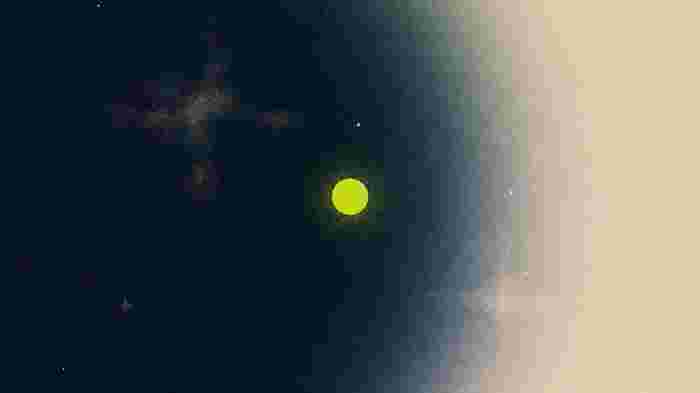
Astronomers have identified what appears to be the first -ever green star glowing in deep space.
天文学家已经确定了深太空中似乎是有史以来第一颗发光的绿星。
Hold on a second, Lucas.
等一秒钟,卢卡斯。
If memory serves me right from high school physics, green stars are theoretically impossible for
如果我高中物理的记忆没有出错,绿星在理论上是
human eyes to perceive.
人眼无法感知的。
Stars emit light across a continuous thermal spectrum, similar to a black body.
恒星发射横跨连续热光谱的光,类似于黑体。
A star that peaks in green light should also emit plenty of red and blue light, blending together so
在绿光处达到峰值的恒星也应该发出大量的红光和蓝光,它们混合在一起,以至于
our eyes see it as white.
我们的眼睛把它看作是白色的。
So how on earth is there a green star?
那么到底怎么会有绿星呢?
Your physics memory is completely accurate.
你对物理的记忆完全准确。
Under normal circumstances, pure green stars do not exist in the traditional stellar life cycle.
在正常情况下,纯绿星在传统的恒星生命周期中是不存在的。
However, this newly analyzed object is a bizarre white dwarf, the dense, dead core of a star that
然而,这个新分析的天体是一个奇异的白矮星,它是恒星的致密、死去的内核,
has shed its outer layers.
它已经脱落了外层。
So what is making this particular stellar remnant look emerald green?
那么是什么让这个特殊的恒星残余看起来呈祖母绿色呢?
The white dwarf possesses an extraordinary, chemically unique outer atmosphere, dominated by
这颗白矮星拥有一个非凡的、化学性质独特的外部大气层,主要由
specific metal absorption lines.
特定的金属吸收线。
These specialized atmospheric elements act like an optical filter.
这些特殊的大气元素就像一个光学过滤器。
They block significant portions of the red and blue wavelengths, while allowing the narrow green
它们阻挡了大部分红光和蓝光的波长,同时允许狭窄的绿光
spectrum to escape.
光谱逃逸。
Because the red and blue photons are selectively absorbed, the star radiates an eerie emerald green glow.
因为红光和蓝光光子被有选择性地吸收,这颗恒星发出诡异的祖母绿色光芒。
A glowing green cosmic zombie star, discovered just in time for the Halloween season.
一颗发光的绿色宇宙僵尸星,恰好赶在万圣节来临之际被发现。
That sounds like something straight out of a classic science fiction film.
这听起来像是直接出自一部经典科幻电影的东西。
It certainly sets a spooky mood.
它确实营造了一种诡异的氛围。
Beyond the fun aesthetics, it provides astrophysicists with fresh clues about how white dwarfs
除了有趣的外表美学之外,它为天体物理学家提供了关于白矮星如何
interact with residual planetary debris and heavy elements after their planetary systems disintegrate.
在其行星系统解体后,如何与残余的行星碎片和重元素相互作用的新线索。
From the far reaches of the galaxy, let us come back down to Earth for our final story, which will
从星系的遥远角落,让我们回到地球,听听我们的最后一个故事,它
definitely delight all the dog owners listening this morning.
绝对会取悦今天早上收听节目的所有狗主人。
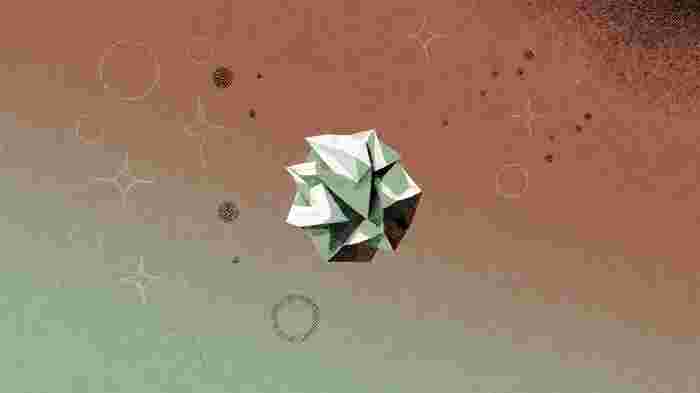
Lucas, have you ever heard of the booba kiki effect?
卢卡斯,你听说过布巴-基基效应吗?
Yes, I have.
是的,我听过。
It is a famous psychological experiment originally discovered in the 20th century, When humans
这是一个著名的心理学实验,最初发现于20世纪,当时人类
across different languages and cultures are shown two abstract shapes, one round and curvy and the
在不同的语言和文化中被展示两个抽象的形状,一个是圆而曲线优美的,另一个是
other sharp and spiky, and asked which one is named booba and which one is kiki, over 95 % of people
尖锐且带刺的,被问及哪一个叫布巴,哪一个叫基基时,超过95%的人
label the rounded shape booba and the jagged shape kiki. Exactly.
把圆润的形状称为booba,把参差不齐的形状称为kiki。确实如此。
Linguists believe this demonstrates sound symbolism, showing that our brains intuitively connect
语言学家认为这证明了声音象征意义,表明我们的大脑会直观地将……联系起来
sharp, harsh phonetic sounds with angular physical shapes, while soft, rounded vowel sounds feel
尖锐、刺耳的语音与有棱角的物理形状联系起来,而柔和、圆润的元音则感觉……
naturally smooth.
自然而然地平滑。
For decades, scientists assumed this abstract connection was a unique feature of human linguistic evolution.
几十年来,科学家一直认为这种抽象的联系是人类语言演化独有的特征。
Until now, right?
直到现在,对吧?
What did researchers discover about our canine companions?
研究人员对我们的犬类同伴有什么发现?
In a newly published animal cognition study, researchers presented pet dogs with geometric objects
在一项新发表的动物认知研究中,研究人员向宠物狗展示了几何物体
having distinct physical textures, some rounded and smooth, others angular and spiky.
它们具有截然不同的物理质感,有些圆润光滑,有些则有棱角且尖锐。
When trainers introduced unfamiliar auditory cues with soft, rounded tones versus sharp, abrupt
当训练员引入不熟悉的听觉线索,比如柔和、圆润的声调,对比尖锐、突然的……
consonants, the dogs consistently matched the soft sounds with the round objects and the sharp
辅音时,狗狗始终将柔和的声音与圆形的物体相匹配,将尖锐的声音……
sounds with the spiky objects.
……声音与尖锐带刺的物体相匹配。
That is astonishing.
这真令人震惊。
It suggests that cross -modal perception, the ability to map sensory experiences from hearing onto
这表明跨模态感知,即把听觉的感觉体验映射到……的能力
sight and touch, does not require spoken human language.
视觉和触觉上,并不需要人类的有声语言。
It might be an ancient sensory feature embedded in mammalian brains.
这可能是嵌入在哺乳动物大脑中的一种古老感官特征。
It really makes you look at your dog differently.
这真的会让你以不同的眼光看待你的狗。
Next time your pet barks or picks up a favorite toy, you have to wonder what geometric shapes are
下次你的宠物叫或者拿起最喜欢的玩具时,你一定想知道是什么几何形状……
flashing through their minds.
正在它们脑海中闪过。
Maybe my golden retriever thinks a rubber ball is undeniably a booba.
也许我的金毛寻回犬认为橡胶球毋庸置疑是个booba。
I would bet good money that he does.
我敢打赌他肯定是这么想的。
What a great reminder that our animal companions share far more cognitive hardware with us than we
这是一个极好的提醒,表明我们的动物同伴与我们共享了远比我们……更多的认知硬件
usually realize.
通常意识到的要多。
That wraps up our major headlines for this morning.
这就总结了我们今天早上的主要头条新闻。
From recalculating planetary time and driving across Martian plains, to reviving coral reefs and
从重新计算行星时间和穿过火星平原,到恢复珊瑚礁以及……
interpreting the thoughts of our dogs, science continues to illuminate our world in unexpected ways.
解读我们狗狗的想法,科学继续以意想不到的方式照亮我们的世界。
Before we let you go, here is our question of the day for our wonderful listeners.
在我们让你离开之前,这是我们为精彩的听众准备的今日问题。
Thinking about your own pets or everyday objects around your house, would you classify them as a
想想你自己的宠物或你屋里的日常物品,你会将它们归类为……
booba or a kiki, and why?
booba还是kiki,为什么?
Be sure to share your thoughts in the comments section below, and take a moment to read how other
请务必在下方的评论区分享你的想法,并花点时间阅读其他人……
listeners have categorized their pets.
……听众是如何给他们的宠物分类的。
We love reading your creative answers and community insights.
我们喜欢阅读你们富有创造力的回答和社区见解。
If you enjoyed this episode, please consider subscribing to TalkCast, becoming an official member to
如果你喜欢这一集,请考虑订阅TalkCast,成为正式会员……
support our team, and sharing this show with your friends, family, or colleagues who love learning
支持我们的团队,并与热爱学习的亲朋好友或同事分享这个节目……
English and exploring science.
英语和探索科学。
Thank you so much for your warm feedback, enthusiasm, and steadfast support.
非常感谢你们热情的反馈、热情以及坚定不移的支持。
Have a productive, wonderful day ahead, and we will catch you right here tomorrow morning on TalkCast.
祝你接下来有富有成效的美好一天,我们明天早上在TalkCast准时见。
Until next time, stay curious.
下次见,保持好奇心。
Take care, everyone, and have a fabulous morning.
大家保重,祝你们有个极好的早晨。