Interactive transcript · 156 lines
Hello, everyone.
大家好,各位好。
Welcome to TalkCast, your favorite weekly podcast where we explore the fascinating science and
欢迎来到 TalkCast,这是您最喜爱的每周播客,在节目中我们将探索迷人的科学以及
psychology behind the latest global news.
最新全球新闻背后的心理学。
I am your host, Emily.
我是您的主持人,埃米莉。
Before we dive into today's deeply relatable topic, I want to say a huge heartfelt thank you to all
在深入探讨今天这个引发深切共鸣的主题之前,我想向所有人表达我衷心的巨大感谢
our TalkCast members.
我们的 TalkCast 会员。
Your support keeps us going, allows us to research deeply, and helps us bring high -quality content
您的支持让我们得以继续,允许我们进行深入研究,并帮助我们带来高质量的内容
to our community of curious minds and English learners.
献给我们由好奇的思考者和英语学习者组成的社区。
If you are not a member yet, please consider joining us.
如果您还不是会员,请考虑加入我们。
TalkCast needs your support, and we would love to have you as part of our family.
TalkCast 需要您的支持,我们非常渴望您能成为我们大家庭的一员。
Now, let us look at today's hot topic.
现在,让我们来看看今天的热门话题。
A recent national survey about occupational health and basic education revealed a shocking statistic.
最近一项关于职业健康和基础教育的全国性调查揭示了一个令人震惊的统计数据。
Over 90 % of school teachers suffer from professional health issues.
超过 90% 的学校教师遭受职业健康问题的困扰。
While physical ailments like sore throats and back pain are common, there is a rising psychological
虽然像喉咙痛和背痛这样的身体疾病很常见,但心理上的
trend that is getting a lot of attention on social media called cell phone phobia.
在社交媒体上受到广泛关注的趋势被称为手机恐惧症。
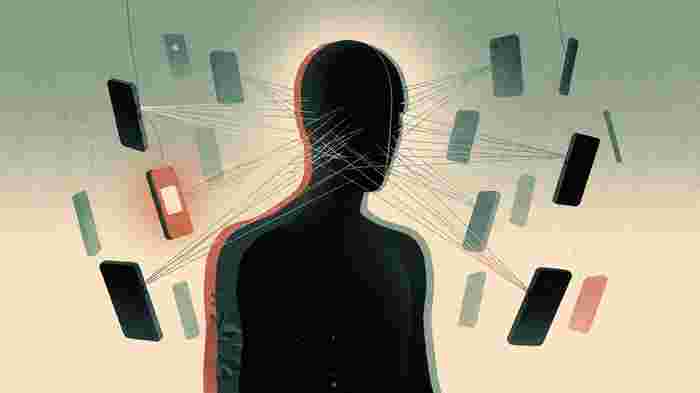
Many teachers report feeling intense anxiety, even dread, whenever their phone vibrates or rings.
许多教师报告说,每当手机振动或响起时,他们就会感到强烈的焦虑,甚至是恐惧。
This is mainly due to the endless stream of notifications from workgroups and parent -teacher chats.
这主要是由于工作群和家校沟通群中源源不断的通知。
Today, we want to look beyond the classroom.
今天,我们想把视野扩展到课堂之外。
Why does constant digital connectivity make us feel so anxious?
为什么持续的数字连接会让我们感到如此焦虑?
To help us understand this, we have invited Dr.
为了帮助我们理解这一点,我们邀请了博士。
Thomas, a clinical psychologist and expert on digital well -being in the workplace.
托马斯,一位临床心理学家,也是职场数字健康领域的专家。
Welcome to TalkCast, Thomas.
欢迎来到 TalkCast,托马斯。
Thank you, Emily.
感谢你,埃米莉。
It is a pleasure to be here with you and all the TalkCast listeners today.
今天能和您以及所有 TalkCast 听众在一起是一件非常荣幸的事。
This topic is incredibly important, not just for teachers, but for anyone who feels overwhelmed by
这个话题极其重要,不仅对教师,对任何感到不堪重负的人都是如此,他们被
their digital devices.
他们的数字设备。
To start, Thomas, let us break down this term, cell phone phobia.
首先,托马斯,让我们拆解一下这个术语,手机恐惧症。
In Chinese, we call it 手机恐竹症.
在中文里,我们称它为“手机恐竹症”。
Normally, a phobia is an extreme or irrational fear of something, like heights or spiders.
通常,恐惧症是对某事极度的或非理性的害怕,比如恐高或蜘蛛。
But here, people are not actually afraid of the physical phone itself, are they?
但在这里,人们实际上并不是害怕手机这个实体本身,对吧?
What is actually happening in our minds?
我们的内心究竟在发生什么?
You are absolutely right, Emily.
你完全正确,埃米莉。
In psychology, this is not a clinical phobia of the physical object.
在心理学上,这并不是对物理实体的临床恐惧症。
Instead, it is what we call technostress, or technology -induced anxiety.
相反,这是我们所说的技术压力,或由技术引发的焦虑。
Specifically, it is the fear of constant communication.
具体来说,这是对持续沟通的恐惧。
People dread the phone because of what it represents.
人们害怕手机是因为它所代表的意义。
In the past, when you left your workplace, you left your work behind.
在过去,当你离开工作场所时,你就把工作抛在了脑后。
But today, the smartphone acts as an open door.
但今天,智能手机充当着一扇打开的大门。
Your boss, your clients, or in the case of teachers, the parents of your students, can walk through
你的老板、你的客户,或者就教师而言,你学生的家长,都可以穿过
that door at any hour of the day or night.
一天中任何时刻的这扇门。
So, cell phone phobia is actually a form of chronic stress.
因此,手机恐惧症实际上是一种慢性压力。
It is the anxiety of being constantly available, with no time to rest or recover.
这是一种时刻处于随时待命状态的焦虑,没有时间休息或恢复。
That makes so much sense.
那太有道理了。
So, the phone itself is not the monster, but rather the endless messages and expectations are.
所以,手机本身并不是怪物,源源不断的信息和期望才是。
Let us talk about teachers specifically.
让我们专门谈谈教师群体的状况。
Why has this hit the education sector so hard?
为什么这对教育领域造成了如此沉重的打击?
Why are teachers suffering from this digital dread more than many others?
为什么教师比其他人更容易遭受这种数字恐惧的困扰?
Teachers face a very unique challenge because of a psychological concept called boundary blurring.
教师面临着非常独特的挑战,这是因为一种被称为边界模糊的心理学概念。
This means the line between your professional life and your personal life completely disappears.
这意味着你的职业生活和个人生活之间的界限完全消失了。
Historically, teaching was highly structured.
在历史上,教学活动是高度结构化的。
You taught classes, you graded papers, and then you went home.
你上课、批改作业,然后回家。
Today, school home communication groups on apps like WeChat have changed everything.
如今,像微信这样的应用程序上的家校沟通群改变了一切。
Parents now expect immediate updates about their children.
家长们现在希望获得关于孩子的即时动态。
If a child forgets their homework, or if there is a minor conflict at school, the teacher is
如果孩子忘了带作业,或者在学校发生了轻微的冲突,老师就会
expected to resolve it instantly, even at 9 o 'clock on a Sunday evening.
被期望能立即解决问题,哪怕是在周日晚上9点。
This shifts the teacher's role from an educator to a 24 -7 customer service representative.
这把老师的角色从教育者转变成了全天候的客服代表。
When a professional boundary is blurred so drastically, burnout is almost guaranteed. Wow.
当职业界限变得如此剧烈地模糊时,职业倦怠几乎是不可避免的。哇。
Customer service representative is a very powerful way to put it.
用“客服代表”来形容真是太有力了。
It sounds exhausting.
听起来真让人筋疲力尽。
Many of our listeners are studying English while working, and they probably feel this boundary
我们的许多听众都在边工作边学英语,他们可能也感受到了这种界限
blurring too.
也在变得模糊。
But let us look at the physical and mental reaction.
不过让我们来看看身体和心理上的反应。
When we hear that ping sound of a new notification, our heart rate might go up.
当我们听到新通知的叮咚声时,心率可能会上升。
Why does a tiny sound cause such a strong physical reaction?
为什么一个微小的声音会引起如此强烈的生理反应?
That reaction is rooted in our biology.
那种反应根植于我们的生物本能。
It's our ancient survival mechanism, often called the fight -or -flight response.
这是我们古老的生存机制,通常被称为战或逃反应。
Thousands of years ago, if our ancestors heard a sudden rustle in the bushes, their brains would
几千年前,如果我们的祖先听到灌木丛中突然传来沙沙声,大脑就会
release a hormone called cortisol, which is the stress hormone.
释放一种叫做皮质醇的激素,也就是压力激素。
This hormone prepares the body to either fight a predator or run away.
这种激素能让身体做好与捕食者搏斗或逃跑的准备。
Today, that rustle in the bushes has been replaced by the phone ping.
如今,灌木丛里的沙沙声已被手机提示音所取代。
When your phone vibrates, your brain doesn't know if it's a nice text from a friend or an angry
当手机震动时,你的大脑并不知道这是朋友发来的温馨短信,还是针对你的愤怒
message from a parent or boss.
来自家长或老板的消息。
To protect you, your brain treats every notification as a potential threat.
为了保护你,你的大脑会将每个通知都视为潜在的威胁。
Over time, these constant small spikes of cortisol drain your energy.
久而久之,这些持续激增的微量皮质醇会耗尽你的精力。
It leads to what we call cognitive overload.
这会导致我们所说的认知过载。
Cognitive overload.
认知过载。
That sounds like a very useful term.
听起来这是个非常有用的术语。
Could you explain what that means in simple terms for our listeners?
你能用通俗易懂的话为听众们解释一下这是什么意思吗?
Of course.
当然可以。
Think of your brain like a smartphone.
把你的大脑想象成一部智能手机。
If you open one app, the phone runs very smoothly.
如果你只打开一个应用程序,手机运行得非常流畅。
If you open five apps, it is still okay.
如果你打开五个应用,也还算正常。
But what if you have 50 apps running in the background all at once?
但如果你同时有50个应用在后台运行呢?
The phone starts to get hot, the battery drains quickly, and eventually, the screen freezes.
手机开始发烫,电量快速消耗,最终屏幕卡死。
That is cognitive overload.
那就是认知过载。
Every group chat you are in, every unread email, and every task you are trying to remember acts like
你加入的每个群聊、每封未读邮件,以及你试图记住的每项任务,都就像
an open app in your brain.
你大脑里一个打开的应用。
Even when you are not actively looking at your phone, your brain is using energy to monitor those
即使你没有主动看手机,你的大脑也在消耗能量来监控那些
background tasks.
后台任务。
No wonder people feel completely exhausted by the end of the day, even if they have just been
难怪人们到了一天结束时会感到彻底筋疲力尽,即使他们只是
sitting at a desk.
坐在办公桌前。
That is an amazing metaphor.
那真是个绝妙的比喻。
I can almost feel my brain battery draining just thinking about it.
光是想想,我就能感觉到自己大脑的电量在耗尽。
My screen definitely freezes sometimes.
我的“屏幕”有时绝对会卡死。
So if the problem is this techno -stress and cognitive overload, what can we do about it?
所以,如果问题在于这种技术压力和认知过载,我们能做些什么呢?
It is easy to say, just turn off your phone.
“关掉手机”说起来容易。
But for a teacher, or for most office workers, that is simply not an option.
但对于老师或大多数办公室白领来说,那根本不是一种选择。
They might get fired or blamed if they do not reply. Exactly.
如果他们不回复,可能会被解雇或责备。确实如此。
Just turning it off is unrealistic.
直接关机是不切实际的。
We need to look at both systemic changes and personal strategies.
我们需要同时着眼于系统性的改变和个人策略。
On a larger level, some countries are introducing laws called the right to disconnect.
在更高的层面,一些国家正在出台被称为“断连权”的法律。
These laws state that employers cannot punish employees for not answering emails or messages outside
这些法律规定,雇主不能因员工在工作时间之外未回复邮件或消息而惩罚他们
of working hours.
在工作时间之外。
For schools, administrators need to establish clear communication rules.
对于学校来说,管理者需要制定明确的沟通规则。
For example, telling parents that teachers will only reply to non -emergency messages between 8 in
例如,告知家长教师只会在上午8点间回复非紧急消息
the morning and 5 in the evening.
到傍晚5点之间。
Yes, having clear school rules would take so much pressure off individual teachers.
是的,拥有明确的学校规则将大大减轻个别教师的压力。
But what if our school or our company does not have these rules yet?
但是,如果我们的学校或公司还没有这些规则怎么办?
What can we do individually to protect our mental health?
我们个人能做些什么来保护我们的心理健康?
Individually, we can practice what I call digital hygiene.
就个人而言,我们可以践行我所说的数字卫生。
The first step is to manage your notifications ruthlessly.
第一步是无情地管理你的通知。
You do not need to receive a push notification for every single message in a group chat.
你不需要为群聊中的每条消息都接收推送通知。
Turn off notifications for work groups after a certain hour or set them to mute.
在某个时间段后关闭工作群的通知,或者将其设置为静音。
Secondly, try to create digital free zones and times.
其次,尝试创造无数字产品的区域和时间。
For example, make it a rule that there are no phones at the dinner table or for 30 minutes before
例如,制定一条规则:晚餐桌上不能放手机,或者在睡前30分钟内
you go to sleep.
在你去睡觉之前。
This gives your brain a chance to close those background apps and lower your cortisol levels.
这给你的大脑一个关闭后台应用并降低皮质醇水平的机会。
Digital hygiene.
数字卫生。
I love that phrase.
我喜欢那个短语。
Just like we wash our hands to protect our physical health, we need to clean up our digital habits
就像我们洗手以保护身体健康一样,我们需要清理我们的数字习惯
to protect our mental health.
来保护我们的心理健康。
That is a great takeaway. Absolutely.
这是一个极好的收获。绝对如此。
It's about taking back control.
这关乎重新夺回控制权。
Remember, technology is a tool.
记住,技术是一个工具。
It is meant to serve us, not to enslave us.
它的目的是服务我们,而不是奴役我们。
When we set boundaries, we are not being lazy or irresponsible.
当我们设定边界时,我们并不是懒惰或不负责任。
We are actually protecting our ability to do our jobs well in the long run.
从长远来看,我们实际上是在保护我们做好工作的能力。
A burned -out teacher cannot teach effectively, and a burned -out worker cannot perform well.
一个精疲力竭的教师无法有效率地教学,而一个精疲力竭的员工也无法表现出色。
That is so true, Thomas.
说得太对了,托马斯。
Setting boundaries is actually a form of professional responsibility.
设定边界实际上是一种职业责任的体现。
Well, this has been an eye -opening conversation.
嗯,这是一场令人大开眼界的对话。
To summarize our main points today, cell phone phobia is not a fear of the physical phone, but a
总结我们今天的主要观点,手机恐惧症不是对实体手机的恐惧,而是
reaction to techno -stress and constant digital availability.
对技术压力和持续数字可用性的反应。
For teachers and many modern workers, this leads to boundary blurring and cognitive overload, which
对于教师和许多现代工作者来说,这会导致边界模糊和认知过载,从而
drains our mental energy just like background apps drain a phone battery.
消耗我们的精神能量,就像后台应用消耗手机电池一样。
But by practicing good digital hygiene, setting clear communication windows, and advocating for
但通过践行良好的数字卫生、设置明确的沟通时间窗口,并倡导
organizational boundaries, we can start to reclaim our peace of mind.
组织边界,我们可以开始重拾内心的平静。
Thank you so much, Dr.
非常感谢,博士。
Thomas, for sharing your insights and practical tips with us today.
托马斯,感谢您今天与我们分享您的真知灼见和实用技巧。
It's been incredibly helpful.
这非常有帮助,极其有用。
Thank you for having me, Emily.
感谢你邀请我,埃米莉。
And to all the listeners, remember to take care of your digital well -being.
对于所有的听众,请记住关照好你们的数字健康。
Now, dear listeners, we have an open question for you.
现在,亲爱的听众们,我们给你们留了一个开放式问题。
Have you ever experienced digital fatigue or cell phone phobia in your own life?
你在自己的生活中是否经历过数字疲劳或手机恐惧症?
How do you set boundaries between your work and your personal time?
你在工作和个人时间之间是如何设定边界的?
Please write down your answers in the comment section below, or take a look at whatever listeners
请在下面的评论区写下你的答案,或者看看其他听众
are saying.
都在说些什么。
It's a fantastic way to learn from each other and practice your English writing.
这是互相学习和练习英语写作的绝佳方式。
Don't forget to subscribe to Talkcast, share this episode with your friends, and give us your feedback.
不要忘记订阅 Talkcast,与你的朋友分享这集节目,并给我们反馈。
We love hearing from you.
我们非常乐意倾听你们的声音。
Also, a quick reminder, the full English transcript of this episode and our entire series will be
此外,温馨提示一下,本集以及我们整个系列的完整英文逐字稿将
published regularly on our official WeChat public account.
在我们的微信官方公众号上定期发布。
Be sure to check it out if you want to review the vocabulary or read along.
如果你想复习词汇或跟读,一定要去看看。
Thank you all for listening.
感谢大家的收听。
And until next time, take care of yourselves, stay curious, and maybe try putting your phone on
下期再见前,照顾好自己,保持好奇,今天也许可以尝试把手机
silent for a little while today. Bye!
设置为静音一小会儿。再见!