Interactive transcript · 202 lines
Hello and welcome to TalkCast, the show where we explore the most exciting developments in science,
您好,欢迎收听 TalkCast,这是一档与大家一起探索科学领域最激动人心的最新进展的节目,
technology, and society, making them easy to understand for everyone.
技术以及社会,并让这些知识通俗易懂。
I am your host, Emily.
我是您的主持人艾米莉。
Whether you are walking, cooking, or relaxing, we are so glad to have you with us today.
无论您是在散步、做饭还是在放松休息,我们都非常高兴今天能有您的陪伴。
For our listeners who are using our show to practice their English listening skills, we have
对于那些利用我们的节目来练习英语听力技巧的听众朋友们,
designed today's episode with you in mind, using clear, natural language to explain some truly
我们在构思本期节目时就充分考虑到了大家,用清晰、自然的语言来解释一些极其
fascinating concepts.
迷人的概念。
Before we dive into today's topic, I want to take a moment to say a huge thank you to all our
在开始今天的话题之前,我想借此机会对我们所有的
TalkCast members.
TalkCast 会员表示由衷的感谢。
Your support keeps this show running, and we truly could not do this without you.
您的支持维持着这个节目的运转,没有你们我们真的无法做到这一点。
If you are not a member yet, please consider joining the TalkCast family.
如果您还不是会员,请考虑加入 TalkCast 大家庭。
Your support helps us produce high -quality educational content every week.
您的支持有助于我们每周制作高质量的教育内容。
To join, just check the links in our show description.
要加入的话,只需查看我们节目简介中的链接即可。
Now, let us talk about today's amazing topic.
现在,让我们来聊聊今天这个神奇的话题。
Think about the flags we see every day.
想想我们每天见到的旗帜。
They are usually made of soft fabrics like cotton, polyester, or nylon.
它们通常由柔软的织物制成,如棉、聚酯纤维或尼龙。
But recently, during the Chang -6 space mission, a national flag was displayed on the far side of the moon.
但最近,在嫦娥六号太空任务期间,一面国旗在月球背面被展示出来。
And here is the mind -blowing part.
而这里有一个令人震撼的部分。
That flag was not made of normal fabric.
那面旗帜并非由普通面料制成。
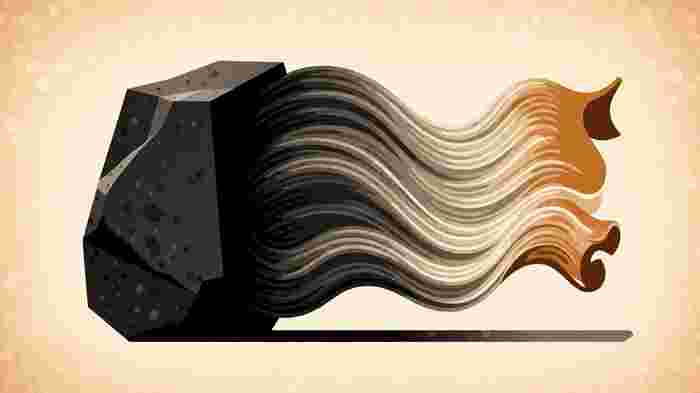
It was actually made of stone.
它实际上是由石头制成的。
Yes, you heard that right.
是的,你没有听错。
Real, hard volcanic rock.
真正的、坚硬的火山岩石。
How is it possible to turn a heavy stone into a waving flag?
如何才能把一块沉重的石头变成一面飘扬的旗帜呢?
To help us unpack this incredible science, we are joined today by Dr.
为了帮助我们剖析这一不可思议的科学,今天我们邀请到了
Thomas, a leading material scientist and aerospace engineering expert.
托马斯博士,他是一位顶尖的材料科学家和航空航天工程专家。
Welcome, Thomas.
欢迎您,托马斯。
Thank you, Emily.
谢谢你,艾米莉。
It's wonderful to be here with you and all the TalkCast listeners.
能和您以及所有 TalkCast 的听众在一起真是太棒了。
I'm really excited to talk about this because it sounds like science fiction.
能谈论这个话题我真的很激动,因为这听起来就像科幻小说。
But it is actually a real, beautiful piece of material science.
但这实际上是材料科学中一个真实而美丽的杰作。
It really does sound like science fiction, Thomas.
这听起来确实很像科幻小说,托马斯。
When I first heard that the lunar flag was made of stone, I pictured a heavy, solid rock carved into
当我第一次听说月球旗帜是用石头做的时候,我脑海中浮现出的是一块沉重而坚硬的岩石被雕刻成
the shape of a flag.
旗帜的形状。
But of course, that's not what it is.
但当然,实际情况并非如此。
Can you explain what this material actually is?
你能解释一下这种材料到底是什么吗?
Of course.
当然可以。
The material is called basalt fiber.
这种材料被称为玄武岩纤维。
Basalt is a dark, heavy volcanic rock that is formed when lava cools down on Earth's surface.
玄武岩是一种深色、沉重的火山岩,当熔岩在地球表面冷却时形成。
It's actually one of the most common rock types on our planet.
它实际上是我们这个星球上最常见的岩石类型之一。
Now, to make basalt fiber, we don't carve the rock.
现在,为了制造玄武岩纤维,我们并不雕刻岩石。
Instead, we melt it.
相反,我们会将它熔化。
We take the raw basalt rock, crush it into small pieces, and put it into a massive furnace.
我们取来玄武岩原石,将其粉碎成小块,然后放入巨大的熔炉中。
We heat it up to an incredible temperature, about 1 ,450 degrees Celsius.
我们将其加热到不可思议的高温度,大约 1450 摄氏度。
At that temperature, the solid rock melts and turns into a glowing orange liquid, basically
在那个温度下,固态岩石融化并变成发光的橙色液体,基本上
artificial lava.
就是人造熔岩。
1 ,450 degrees Celsius?
1450 摄氏度?
That is incredibly hot.
那简直难以置信地热。
And once you have this liquid rock, what happens next?
一旦拥有了这种液体岩石,接下来会发生什么?
Once the rock is completely liquid, we pull it through tiny nozzles called spinnerets.
一旦岩石完全变成液体,我们就将其拉过被称为喷丝板的微小喷嘴。
Think of it like making cotton candy.
把它想象成制作棉花糖。
These nozzles have microscopic holes.
这些喷嘴有着微小的孔洞。
As the liquid rock is pulled through these holes, it instantly cools down in the air and solidifies
当液态岩石被拉过这些孔洞时,它会在空气中瞬间冷却并凝固
into extremely thin, continuous threads.
成极细的、连续的纤维丝。
These threads are what we call basalt fibers.
这些纤维丝就是我们所说的玄武岩纤维。
They're so thin that they're only about one -tenth the thickness of a single human hair. Wow!
它们非常细,厚度只有一根头发丝粗细的大约十分之一。哇!
One -tenth of a human hair?
一根头发丝的十分之一?
That is hard to even imagine.
那甚至很难想象。
And once you have these tiny stone threads, how do you turn them into a flag?
一旦有了这些微小的石丝,你该如何把它们变成一面旗帜呢?
Well, just like you would do with cotton or wool, you spin these tiny basalt fibers into yarn.
就像对棉花或羊毛所做的那样,你把这些微小的玄武岩纤维纺成纱线。
Once you have the yarn, you can weave it on a loom to create a piece of fabric.
有了纱线,你就可以在织布机上编织出一块布料。
This fabric looks and feels surprisingly soft, almost like silk, but it is entirely made of stone.
这种面料看起来和摸起来都出奇地柔软,几乎像丝绸一样,但它完全是由石头制成的。
And because it's made of volcanic rock, it possesses some truly superhuman qualities.
而且由于它是由火山岩制成的,因此它具备一些真正超凡的特性。
That is absolutely fascinating.
那绝对非常引人入胜。
But let me play devil's advocate here.
但在这里让我扮演一下唱反调者吧。
Why did the aerospace engineers go to all this trouble?
为什么航空航天工程师要费这么大劲?
Why couldn't they just use standard materials like nylon or polyester for the lunar flag?
为什么他们不能直接用尼龙或聚酯纤维等标准材料来制作月球旗帜呢?
Those materials are cheap, light, and easy to make.
那些材料既便宜、轻便又容易制作。
That is a very logical question.
那是一个非常合乎逻辑的问题。
The reason lies in how incredibly hostile the environment on the moon is.
原因在于月球上的环境极其恶劣。
On Earth, our atmosphere protects us from the worst parts of space.
在地球上,我们的大气层保护我们免受太空最恶劣部分的影响。
But the moon has no atmosphere.
但是月球没有大气层。
This means it's constantly blasted by intense cosmic radiation and solar winds.
这意味着它不断受到强烈的宇宙辐射和太阳风的轰击。
Furthermore, the temperature swings are extreme.
此外,温度变化极大。
During the lunar day, the temperature can rise to a scorching 150 degrees Celsius.
在月球的白天,温度可以上升到灼热的 150 摄氏度。
During the lunar night, it drops to a freezing minus 150 degrees Celsius.
在月球的夜晚,温度会骤降至极冷的零下 150 摄氏度。
That is a 300 degree temperature difference?
那是 300 度的温差?
That sounds brutal for any material.
对于任何材料来说,这听起来都太严苛了。
It is.
确实如此。
If we sent a standard nylon flag to the moon, the intense ultraviolet light would destroy the
如果我们把一面标准的尼龙旗帜送到月球,强烈的紫外光会破坏
organic chemical bonds of the nylon within days or even hours.
尼龙的有机化学键,在几天甚至几小时内。
The flag would fade, become extremely brittle, and eventually crumble into dust.
旗帜会褪色,变得极度脆硬易碎,最终化为灰尘。
Plus, the extreme heat might melt it.
此外,极度的高温可能会融化它。
But basalt is inorganic.
但玄武岩是无机的。
It has already survived the volcanic heat of the Earth.
它已经挺过了地球的火山高温。
It doesn't care about extreme cold or heat.
它不在乎极端的严寒或酷热。
And cosmic radiation cannot break it down.
而且宇宙辐射也无法分解它。
It's naturally stable.
它天生就很稳定。
So, using basalt fiber ensures that the flag will survive on the moon for a very, very long time
因此,使用玄武岩纤维确保了旗帜能在月球上留存非常非常长的时间
without losing its color or structure.
而不会失去颜色或结构。
It is basically indestructible up there. Exactly.
在那里它基本上是不可摧毁的。确实如此。
It is highly resistant to heat, radiation, and even chemical corrosion.
它对热、辐射甚至化学腐蚀都具有高度抵抗力。
But there was another challenge.
但还有另一个挑战。
The moon's surface is covered in lunar dust, which we call regolith.
月球表面覆盖着月球尘埃,我们称之为风化层。
This dust is not soft like beach sand.
这种尘埃不像海滩上的沙子那样柔软。
It is made of tiny, sharp, glass -like rock fragments.
它是由微小、锋利、像玻璃一样的岩石碎片组成的。
These fragments can easily scratch and damage normal fabrics.
这些碎片可以轻松划伤和损坏普通面料。
But because basalt fiber is made of stone itself, it has excellent resistance to this kind of
但因为玄武岩纤维本身就是石头做的,它对这种磨损有着极佳的抵抗力
abrasion, meaning scratching or scraping.
磨损,即刮伤或擦伤。
That is a great word for our English learners. Abrasion.
对于我们的英语学习者来说,这是一个极好的词。Abrasion。
It means the process of scraping or wearing something away.
它的意思是刮擦或磨损某物的过程。
So, basalt fiber resists abrasion from the sharp lunar dust.
因此,玄武岩纤维可以抵御尖锐月尘造成的磨损。
That is brilliant.
那太出色了。
But, Thomas, if basalt is rock, is it not naturally stiff?
但是,托马斯,如果玄武岩是岩石,它难道不是天生就很僵硬吗?
A flag needs to be flexible enough to be folded up during the rocket launch, and then it needs to
旗帜需要足够柔韧,以便在火箭发射期间折叠起来,然后需要
open up smoothly on the moon without any creases or tears.
在月球上平滑展开,没有任何褶皱或破损。
How did the engineers make a stone fabric flexible?
工程师们是如何让石质织物变得柔韧的?
That was indeed one of the toughest challenges.
那确实是最艰难的挑战之一。
In material science, we talk about tensile strength, which is how much pulling force a material can
在材料科学中,我们讲到拉伸强度,即材料可以承受多少拉力
take before it breaks.
在断裂之前。
The salt fiber has incredibly high tensile strength, but raw fibers can be brittle if you bend them
玄武岩纤维具有极高的拉伸强度,但如果你弯曲原始纤维,它们可能会很易碎
too sharply.
得太剧烈。
To solve this, scientists spent years researching the perfect weaving technique.
为了解决这个问题,科学家们花了数年时间研究完美的编织技术。
They developed a special protective coating for the fibers.
他们为纤维研发了一种特殊的保护性涂层。
This coating acts like a lubricant, preventing the stone threads from rubbing against each other and
这种涂层就像润滑剂一样,防止石质线头互相摩擦并
breaking when folded.
在折叠时断裂。
They also optimized the weaving pattern.
他们还优化了编织图案。
By combining basalt fiber with a small amount of other high -tech fibers, they created a composite
通过将玄武岩纤维与少量其他高科技纤维相结合,他们创建了一种复合
fabric that is incredibly flexible, lightweight, and wrinkle -resistant.
具有极高柔韧性、轻质且防皱的织物。
It sounds like the ultimate high -tech fabric.
听起来这就像是终极的高科技织物。
Now, let us bring this technology back down to Earth.
现在,让我们把这项技术带回地球。
Is basalt fiber only useful for space missions, or can we find it in our everyday lives?
玄武岩纤维仅仅对太空任务有用,还是说我们能在日常生活中找到它?
Oh, it is definitely not just for space.
哦,它绝对不仅仅用于太空。
In fact, basalt fiber is becoming a superstar on Earth, especially in green technology and
事实上,玄武岩纤维正在成为地球上的明星材料,特别是在绿色科技和
industrial safety.
工业安全领域。
One of its most common uses is in fire protection.
它最常见的用途之一是在防火防护方面。
Because it can withstand temperatures of over 600 degrees Celsius without melting or losing its
因为它能承受超过600摄氏度的高温而不会熔化或丧失其
strength, it is used to make fire blankets and protective suits for firefighters.
强度,因此被用于制造灭火毯和消防员的防护服。
It gives them vital protection in extreme situations.
它在极端情况下为他们提供了至关重要的保护。
That makes total sense.
那完全有道理。
Firefighters need the absolute best protection against heat.
消防员需要对热量提供绝对最好的保护。
What other areas is it used in?
它还被应用在哪些其他领域?
Another huge area is the construction industry.
另一个巨大的领域是建筑工业。
Usually, when we build concrete structures like bridges or buildings, we use steel bars or rebars
通常,当我们建造桥梁或建筑物等混凝土结构时,我们会使用钢筋或螺纹钢
inside the concrete to make them stronger.
在混凝土内部,使其更坚固。
However, steel can rust over time, especially in coastal areas with salty air, which weakens the concrete.
然而,钢材会随时间推移而生锈,特别是在空气含盐的沿海地区,这会削弱混凝土。
Today, engineers are replacing steel rebars with basalt fiber reinforcing bars.
如今,工程师们正在用玄武岩纤维增强筋替代钢筋。
They are four times lighter than steel, stronger, and they absolutely never rust. Wow.
它们比钢材轻四倍,更坚固,而且绝对不会生锈。哇。
Rust -proof bridges and buildings?
防锈的桥梁和建筑?
That could make our infrastructure last so much longer, saving billions of dollars and preventing accidents. Precisely.
那可以让我们的基础设施使用更长时间,节省数千亿美元并防止事故发生。确切地说。
And there is a huge environmental benefit, too.
而且还有巨大的环境效益。
To make steel or carbon fiber, you need complex chemical processes that consume massive amounts of
要制造钢材或碳纤维,你需要复杂的化学过程,这些过程会消耗大量的
energy and produce a lot of pollution.
能量并产生大量污染。
But basalt fiber is an eco -friendly material.
但玄武岩纤维是一种环保材料。
The manufacturing process is mostly physical heating and pulling, without chemical reactions.
制造过程主要是物理加热和拉拔,没有化学反应。
No toxic chemicals are used and no harmful gases are released.
不使用有毒化学物质,也不释放有害气体。
Plus, basalt rock is incredibly abundant.
此外,玄武岩极度丰富。
We will never run out of it.
我们决不会用尽它。
This is truly a win -win for both industry and the planet.
对于工业和地球来说,这真正是一个双赢的局面。
It's sustainable, durable, and green.
它是可持续的、耐用的,也是绿色的。
Are there any other applications?
还有其他应用吗?
Maybe in consumer products?
也许是在消费类产品中?
Yes, absolutely.
是的,当然是这样。
Because basalt fiber is great at absorbing vibrations, it is increasingly being used in sports equipment.
因为玄武岩纤维非常擅长吸收震动,它正越来越多地被用于体育器材中。
For example, high -end tennis rackets, snowboards, and skis are now incorporating basalt fiber.
例如,高端网球拍、单板滑雪板和双板滑雪板现在都在融合玄武岩纤维。
It helps absorb the shock when you hit a ball or ski down a bumpy mountain, making the experience
它可以帮助吸收打球或在崎岖的山坡滑雪时的冲击力,使得这种体验
much smoother and reducing fatigue on your muscles.
更加平顺,并减少肌肉的疲劳。
That is amazing.
那真是太神奇了。
I had no idea that tennis rackets and snowboards could be made with volcanic rock technology.
我完全不知道网球拍和单板滑雪板可以用火山岩技术制造。
It's so cool how a technology tested on the moon is actually making its way into our sports and hobbies.
一项在月球上测试过的技术居然能融入我们的运动和爱好中,这真的太酷了。
It really is.
确实是这样。
That's the beauty of aerospace research.
这就是航空航天研究的魅力所在。
It forces us to solve the hardest problems under the most extreme conditions.
它迫使我们在最极端的条件下解决最棘手的问题。
And those solutions almost always trickle down to improve our daily lives in ways we didn't expect.
而这些解决方案几乎总是会渗透到改善我们日常生活的方方面面,以我们意想不到的方式。
But tell me, Thomas, if basalt fiber is so great, why aren't all of our clothes, cars, and houses
但是告诉我,托马斯,如果玄武岩纤维这么好,为什么我们所有的衣服、汽车和房子
made of it yet?
还没有用它制造呢?
Are there any limitations?
有什么局限吗?
Like any emerging technology, the main challenge is cost and production scale.
就像任何新兴技术一样,主要的挑战是成本和生产规模。
Although the raw material, basalt rock, is very cheap, the electricity required to melt it at 1450
虽然原材料玄武岩非常便宜,但在1450度下将其熔化所需的电能
degrees Celsius is quite high.
摄氏度是相当高的。
Also, the machinery needed to weave these microscopic fibers without breaking them is highly specialized.
此外,在不弄断这些微观纤维的情况下编织它们所需的机械设备是高度专业化的。
But, as our technology improves and we transition to renewable energy like solar and wind, the cost
但是,随着我们技术的进步以及向太阳能和风能等可再生能源过渡,生产
of production is dropping rapidly.
成本正在迅速下降。
I believe we will see a lot more basalt fiber in our lives in the next decade.
我相信在未来十年里,我们会在生活中看到更多玄武岩纤维的应用。
That is a very hopeful outlook.
那是一个非常有希望的前景。
It is clear that the future of material science is not just about creating new plastics, but about
很明显,材料科学的未来不仅仅在于创造新塑料,还在于
looking at natural materials like volcanic rocks and using smart engineering to unlock their hidden potential.
着眼于像火山岩这样的天然材料,并利用聪明的工程技术来释放它们隐藏的潜力。
I couldn't agree more, Emily.
我完全赞同,艾米丽。
Nature has already done the hard work of creating these tough materials over millions of years.
大自然在数百万年的时间里已经完成了创造这些坚韧材料的艰巨工作。
Our job as scientists is just to find clever ways to shape them to help humanity.
我们作为科学家的工作,只是找到聪明的方法对它们进行造型,从而造福人类。
Well, Dr.
好吧,博士。
Thomas, thank you so much for joining us today on TalkCast.
托马斯,非常感谢你今天做客 TalkCast。
You have taken a highly complex scientific topic and made it so clear and enjoyable to learn about.
你把一个高度复杂的科学话题讲得如此清晰易懂且趣味盎然。
I am sure our listeners, especially our English learners, have learned some fantastic new concepts
我相信我们的听众,特别是英语学习者,今天学到了一些绝妙的新概念
and vocabulary today.
和词汇。
Thank you, Emily.
谢谢你,艾米丽。
It was an absolute pleasure.
这绝对是我的荣幸。
Keep up the great work, and to all the listeners out there, keep learning and staying curious.
继续保持出色的工作,也希望所有的听众朋友们,保持学习,保持好奇。
And that brings us to the end of today's episode.
今天的节目到这里就接近尾声了。
Before you go, we have an exciting, open -ended question for you.
在你离开之前,我们为你准备了一个令人兴奋的开放式问题。
Based on what you learned today about this super strong, heat -resistant, and rust -proof stone fiber,
根据你今天了解到的这种超强、耐热且防锈的石质纤维,
if you could design any everyday object using basalt fiber, what would it be and why?
如果你能用玄武岩纤维设计任何日常用品,那会是什么,为什么?
Think about it, and please write down your ideas in the comments section.
思考一下吧,请在评论区写下你的想法。
Or check out what other creative ideas our listeners have posted there.
或者看看我们其他听众在那里发布了哪些富有创意的想法。
We love reading your thoughts.
我们非常喜欢阅读大家的想法。
If you enjoyed today's episode, please subscribe to TalkCast, share it with your friends who are
如果你喜欢今天的节目,请订阅 TalkCast,把它分享给身边的
learning English or who love science, and leave us a review.
学习英语或热爱科学的朋友,并给我们留下一条评价。
Your feedback and support mean the world to us.
您的反馈和支持对我们来说至关重要。
Also, a quick reminder for our English learners.
另外,给我们的英语学习者一个温馨提醒。
The full English transcript, along with a list of key vocabulary words from today's discussion, will
完整的英文逐字稿,以及今天讨论的重点词汇列表,将
be published on our TalkCast WeChat official account.
在我们的 TalkCast 微信公众号上发布。
Make sure to follow us there, so you can review the text while you listen to the audio.
请务必关注我们,这样您就可以在听音频的同时复习文本。
Thank you so much for listening, stay curious, and we will see you next time on TalkCast. Goodbye! Bye!
非常感谢您的收听,保持好奇心,我们下期 TalkCast 再见。再见!拜拜!