Interactive transcript · 159 lines
Hello and welcome to TalkCast, the podcast where we dive deep into the science, technology, and
你好,欢迎收听 TalkCast,这是一档我们深入探讨科学、技术和……的播客
social trends shaping our world.
以及塑造我们世界的社会趋势。
I am your host, Sarah.
我是你们的主持人莎拉。
If you are tuning in to improve your English listening while learning something fascinating, you are
如果你收听节目是为了在学习迷人知识的同时提高英语听力,那么你
in the exact right place.
来到了确切的正确位置。
Today, we are talking about something that is a favorite comfort food for millions of people around
今天,我们要聊聊全球数百万人都喜爱的一种慰藉美食——
the world—French fries.
世界——法国薯条。
Yes, those crispy, golden strips of deliciousness.
是的,就是那些酥脆、金黄的美味长条。
But we have some rather surprising, and perhaps slightly worrying, news.
但我们有一些相当令人惊讶、或许也有稍微令人担忧的消息。
According to a recent analysis by the non -profit research group, the Energy and Climate Intelligence
根据非营利研究机构“能源与气候智能”最近的一项分析,
Unit, the intense heat waves and extreme weather in Europe this past summer have caused a massive
“小组”表示,今年夏天欧洲强烈的热浪和极端天气已经造成了巨大的
loss in potato crops.
土豆作物的损失。
In fact, potato production across four major European countries fell by about 3 .1 million tons.
事实上,欧洲四个主要国家的土豆产量下降了约 310 万吨。
And the headline that has everyone talking is your French fries might get smaller next year.
让大家议论纷纷的头条新闻是,明年的薯条可能会变小。
To help us understand the science behind this potato crisis and what it means for the future of our
为了帮助我们了解这场土豆危机背后的科学,以及它对我们未来
food, I am joined today by Dr.
食物意味着什么,今天大卫博士
David, a senior researcher in climate -smart agriculture.
加入了我,他是一位气候智慧型农业的资深研究员。
Welcome to TalkCast, David.
欢迎来到 TalkCast,大卫。
Thank you, Sarah.
谢谢你,莎拉。
It is wonderful to be here with you and all our listeners.
能和您以及我们所有的听众在一起真是太棒了。
It is a very timely topic.
这是一个非常及时的话题。
Most people do not think of the humble potato as a high -tech agricultural marvel, but it is actually
大多数人不会把不起眼的土豆看作是高科技农业的奇迹,但它实际上
a crop that is highly sensitive to the climate.
是一种对气候高度敏感的作物。
When we talk about smaller fries, it sounds like a minor inconvenience, but it is actually a warning
当我们谈论较小的薯条时,这听起来像是一个微不足道的不便,但它实际上是一个警告
sign of much larger changes happening in our global food systems.
标志着我们全球粮食系统正在发生更大的变化。
It really is a wake -up call.
这确实是一个警钟。
Most of us just see potatoes on our plates, but they start in the soil.
我们大多数人只看到盘子里的土豆,但它们是从土壤中开始生长的。
Could you walk us through the biology of a potato plant?
您能给我们讲讲土豆植物的生物学原理吗?
What exactly happens to a potato when the weather gets too hot?
当天气变得太热时,土豆到底会发生什么?
Of course.
当然。
To understand this, we need to look at how a potato grows.
为了理解这一点,我们需要看看土豆是如何生长的。
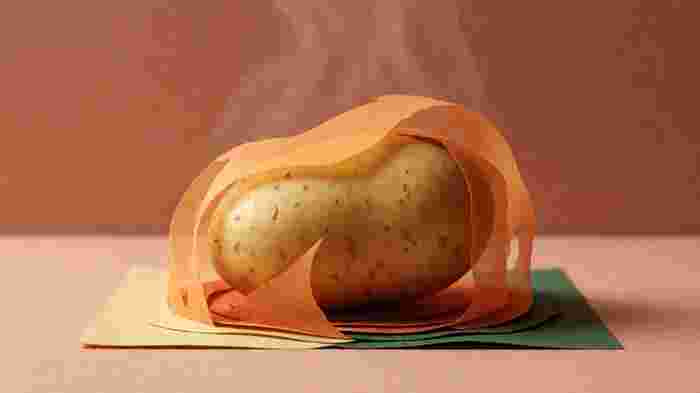
The potato we eat is not actually a root.
我们吃的土豆实际上并不是根。
It is a tuber.
它是一个块茎。
A tuber is a swollen underground stem where the plant stores energy in the form of starch.
块茎是膨胀的地下茎,植物以淀粉的形式在其中储存能量。
Now, potato plants love cool, moderate climates.
现在,土豆植物喜欢凉爽、温和的气候。
They grow best when daytime temperatures are around 20 degrees Celsius and nighttime temperatures
当白天温度在 20 摄氏度左右,夜间温度
stay cool, around 15 degrees.
保持凉爽,在 15 度左右。
When a potato plant experiences temperatures above 30 degrees Celsius during the day or above 20
当土豆植物在白天经历超过 30 摄氏度或夜间超过 20
degrees at night, it goes into a state of heat stress.
摄氏度的温度时,它就会进入热胁迫状态。
Under heat stress, a biological process called tuberization is disrupted.
在热胁迫下,被称为结薯的生物学过程会被干扰。
Tuberization is simply the biological switch that tells the plant to start growing those underground potatoes.
结薯简单来说就是告诉植物开始生长地下土豆的生物开关。
If the nights are too warm, the plant spends all its energy just trying to survive and cool itself
如果夜晚太热,植物就会把所有的能量都花在努力生存和降温上,
down through respiration, rather than storing starch underground.
通过呼吸作用降温,而不是在地下储存淀粉。
So instead of growing big, healthy, starchy tubers, the plant produces very small potatoes, or
所以植物并没有长出粗大、健康、富含淀粉的块茎,而是结出了非常小的土豆,或者
sometimes none at all.
有时甚至根本不结土豆。
Ah, that is a very clear explanation.
啊,这是一个非常清晰的解释。
So to put it simply, instead of saving up energy to make big potatoes, the plant is basically using
所以简单来说,植物并没有积攒能量来结出大土豆,而是基本上在使用
up all its energy just to stay alive during those hot, sweaty nights.
完所有的能量,只是为了在那些炎热、闷热的夜晚生存下来。
Is that correct?
这正确吗?
Exactly, Sarah.
没错,莎拉。
That is a perfect way to summarize it.
那是总结它的完美方式。
The plant is essentially breathing away its sugars to stay cool, leaving very little energy to make starch.
这种植物本质上是通过消耗糖分呼吸来保持凉爽,从而留下了极少的能量来制造淀粉。
And starch is what makes a potato a potato.
而淀粉才是马铃薯的灵魂。
Now, the headline says our french fries will be smaller next year.
现在,头条新闻说我们的薯条明年会变小。
Why can't we just cut smaller potatoes into fries?
为什么我们不能直接把较小的马铃薯切成薯条呢?
Why does a smaller potato physically mean smaller fries in the fast food industry?
为什么在快餐业中,更小的马铃薯实际上意味着更小的薯条?
That is a practical question.
这是一个很实际的问题。
The answer lies in the highly standardized nature of the global food industry.
答案在于全球食品行业高度标准化的本质。
When you go to a fast food restaurant, you expect your fries to look a certain way.
当你去快餐店时,你期望你的薯条看起来是某种特定的样子。
They should be long, straight, and crispy.
它们应该是长长的、直直的、而且酥脆的。
To get those long fries, manufacturers rely on specific potato varieties, like the russet Burbank.
为了制作那些长薯条,制造商依赖特定的马铃薯品种,比如褐皮土豆。
These potatoes are naturally long and oval -shaped.
这些马铃薯天生就呈长椭圆形。
When these potatoes do not grow to their full size due to heat stress, they are too short to make
当这些马铃薯因高温应激而无法长到足够大时,它们太短了,无法制作
those signature long fries.
那些招牌的长薯条。
Furthermore, when potatoes grow in extreme heat, they often develop internal defects, like dark
此外,当马铃薯在极端高温下生长时,它们内部往往会出现缺陷,比如深色
spots or hollow centers.
斑点或空心。
When food processing factories try to peel and cut these smaller, damaged potatoes, there's a lot of waste.
当食品加工厂试图削皮并切割这些较小、受损的马铃薯时,会产生大量的浪费。
The processing machines are designed for large, uniform potatoes.
加工机器是为体积大且规格一致的马铃薯设计的。
If the potatoes are too small, the machines peel away too much of the potato, or they chop them into
如果马铃薯太小,机器会削掉太多果肉,或者把它们切成
tiny, unusable pieces.
极小的、无法使用的碎块。
So we end up with shorter fries, more waste, and higher production costs.
所以我们最终得到的是更短的薯条、更多的浪费和更高的生产成本。
That is fascinating.
那真是太奇妙了。
It shows how even a small biological change in a crop can disrupt a massive, highly automated global
这表明,即使是作物中一个微小的生物学变化,也能扰乱一个庞大且高度自动化的全球
supply chain.
供应链。
It's not just about the farmers.
这不仅仅关系到农民。
It affects the processing factories, the shipping companies, the restaurants, and finally the
它影响着加工厂、海运公司、餐馆,以及最后的
consumers who have to pay more for smaller portions.
不得不花更多钱购买更小份食品的消费者。
This really highlights how interconnected our world is.
这确实凸显了我们的世界是多么紧密相连。
It really does.
确实如此。
And we must remember that the potato is the world's third most important food crop for human
我们必须记住,马铃薯是世界上供人类食用的第三大最重要粮食作物
consumption, after rice and wheat.
食用,仅次于水稻和小麦。
It is a staple food for billions of people, especially in Europe, South America, and parts of Asia.
它是数十亿人的主食,特别是在欧洲、南美洲和亚洲部分地区。
So when potato yields trop, it is not just a tragedy for french fry lovers.
因此,当马铃薯产量下降时,这不仅是薯条爱好者的悲剧。
It is a major threat to global food security.
这是对全球粮食安全的主要威胁。
It drives up food prices and puts pressure on low -income families who rely on potatoes as an
它推高了食品价格,给依赖马铃薯作为其主要食物来源的低收入家庭带来了压力
affordable source of nutrition.
负担得起的营养来源。
This really brings the abstract concept of climate change right onto our dinner tables.
这确实把气候变化这一抽象概念直接带到了我们的餐桌上。
It makes me wonder, David, are other popular foods facing similar threats?
这让我感到好奇,大卫,其他受欢迎的食物是否也面临类似的威胁?
What other items on our daily menu are at risk because of rising temperatures?
由于气温升高,我们日常菜单上的哪些其他食品正处于危险之中?
Unfortunately, many of our favorite daily treats are highly vulnerable to climate change.
不幸的是,我们许多喜爱的日常美食在气候变化面前都显得非常脆弱。
For example, consider coffee.
例如,考虑一下咖啡。
The popular Arabica coffee bean is extremely sensitive to temperature changes.
备受欢迎的阿拉比卡咖啡豆对温度变化极其敏感。
Rising temperatures and unpredictable rainfall are reducing the areas where high -quality coffee can
气温升高和不可预测的降雨正在减少高品质咖啡可以生长的
grow, which is already driving up coffee prices globally.
种植区域,这已经在全球范围内推高了咖啡价格。
Chocolate is another example.
巧克力是另一个例子。
The cacao tree, which gives us cocoa, grows in a very narrow band of tropical rainforests.
为我们提供可可的可可树生长在非常狭窄的热带雨林带中。
Changes in temperature and humidity in countries like Cote d 'Ivor and Ghana are causing cocoa yields
像科特迪瓦和加纳这样国家的温度和湿度变化正导致可可产量
to decline, leading to a surge in chocolate prices.
下降,导致巧克力价格飙升。
Even wine is affected.
甚至连葡萄酒也受到了影响。
Grapes are highly sensitive to weather, and extreme heat waves are changing the sugar and acid
葡萄对天气高度敏感,而极端的热浪正在改变糖分和酸度
levels in wine grapes, which alters the taste of traditional wines.
酿酒葡萄中的含量水平,这改变了传统葡萄酒的口感。
So whether it is coffee, chocolate, wine, or french fries, the flavors and foods we take for granted
所以,无论是咖啡、巧克力、葡萄酒还是炸薯条,我们习以为常的风味和食物
are undergoing a massive shift.
都正在经历巨大的转变。
Oh dear.
哦,天哪。
A world with smaller fries, expensive coffee, and pricier chocolate sounds like a very sad world indeed.
一个薯条变小、咖啡变贵、巧克力更贵的世界,听起来确实是一个非常悲哀的世界。
But seriously, this is a major ecological and economic challenge.
但严肃地说,这是一个重大的生态和经济挑战。
As an agricultural scientist, what are you and your colleagues doing to address this?
作为一名农业科学家,你和你的同事们正在做些什么来解决这个问题?
How can science help us protect our food supply from these extreme weather events?
科学如何帮助我们保护粮食供应免受这些极端天气事件的影响?
The good news is that we are not helpless.
好消息是,我们并非无能为力。
Scientists and farmers are working together on what we call climate -smart agriculture.
科学家和农民正在共同致力于我们所说的气候智能型农业。
One of the most important strategies is breeding climate -resilient prop varieties.
最重要的策略之一是培育具有气候适应力的作物品种。
For potatoes, this means searching for wild potato relatives that have naturally evolved to survive
对于马铃薯来说,这意味着寻找那些为了生存而自然进化的野生近缘种
in hot, dry conditions, such as those found in the high Andes mountains.
处于炎热、干燥的环境中,比如在安第斯山脉高海拔地区发现的那些品种。
By crossbreeding these wild varieties with our commercial potatoes, or by using modern gene editing
通过将这些野生品种与我们的商业马铃薯进行杂交,或者利用现代基因编辑
tools like CRISPR, we can develop new potato varieties that can still produce high -yielding, starchy
工具(如CRISPR),我们可以培育出新的马铃薯品种,它们依然能产生高产、富含淀粉的
tubers, even when the nights are warm.
块茎,即使在夜间温度较高的时候也是如此。
Another key area is improving soil health and irrigation.
另一个关键领域是改善土壤健康和灌溉。
We are developing smart irrigation systems that use sensors to deliver the exact amount of water a
我们正在开发智能灌溉系统,利用传感器来输送植物所需的精确水量,
plant needs, right to its roots, reducing water waste and helping the plant cope with heat waves.
直接输送到它的根部,从而减少水资源浪费并帮助植物应对热浪。
We are also encouraging farmers to plant cover crops to keep the soil cool and retain moisture.
我们也在鼓励农民种植覆盖作物,以保持土壤凉爽并保持水分。
That is incredibly encouraging.
这真是令人难以置信地令人鼓舞。
It sounds like we are using advanced technology to help nature adapt to the rapid changes we have
听起来我们正在利用先进技术来帮助大自然适应我们所造成的快速变化
caused in the atmosphere.
在大气中造成的。
It's like giving our crops an evolutionary boost so they can keep up with climate change.
这就像给我们的作物一个进化上的助力,以便它们能够赶上气候变化的速度。
Exactly, Sarah.
没错,莎拉。
It's a race against time, but agricultural science has a strong track record of solving these kinds
这是一场与时间的赛跑,但农业科学在解决这类问题方面有着良好的记录
of problems.
的问题。
However, technology alone is not enough.
然而,单靠技术是不够的。
We also need policy support, funding for agricultural research, and a global commitment to reducing
我们还需要政策支持、农业研究资金以及全球减少排放的承诺
greenhouse gas emissions.
温室气体排放。
Agriculture is both a victim of climate change and a contributor to it, so we must make farming
农业既是气候变化的受害者,也是气候变化的推手,因此我们必须让耕作
practices more sustainable overall.
实践在整体上更加可持续。
That is an excellent point.
这是一个极好的观点。
It's a holistic challenge that requires action from scientists, governments, farmers, and consumers alike.
这是一个需要科学家、政府、农民和消费者共同采取行动的整体性挑战。
Well, David, this has been an incredibly eye -opening conversation.
好的,大卫,这真是一次极其开阔眼界的对话。
The next time I order french fries, I will definitely look at them with a whole new level of
下一次我点炸薯条时,我绝对会以全新的态度来看待它们,
appreciation, knowing the complex biology and global efforts behind each and every fry.
带着更多的感激之情,因为我知道每一根薯条背后复杂的生物学原理和全球努力。
Thank you so much for joining us today and sharing your expertise.
非常感谢您今天加入我们并分享您的专业知识。
It was my absolute pleasure, Sarah.
这是我绝对的荣幸,莎拉。
Thank you for bringing attention to this important issue.
感谢您让大家关注到这个重要的问题。
And to all the English learners listening, keep practicing, and remember that every small step we
对于所有正在收听的英语学习者,请继续练习,并记住我们所迈出的每一步
take to understand our world makes a difference.
去了解我们这个世界的努力都会产生影响。
What a beautiful note to end on.
多么美妙的收尾啊。
Well, that brings us to the end of today's episode of TalkCast.
好的,今天的《TalkCast》单集节目就到此结束了。
Before we wrap up, we have a fun question for you, our listeners, based on our conversation today.
在结束之前,基于我们今天的对话,我们为你们,也就是我们的听众,准备了一个有趣的问题。
The question is, why do warm night temperatures prevent potato plants from growing big potatoes underground?
问题是,为什么温暖的夜间温度会阻止马铃薯植株在地下长出大马铃薯?
We want to hear from you.
我们想听到你们的声音。
Please write your answer in the comment section below, or check out the comments to see what other
请在下面的评论区写下您的答案,或者查看评论看看其他
listeners are saying.
听众正在说什么。
It is a fantastic way to practice your English writing and connect with our global community of learners.
这是练习英语写作并与我们全球学习者社区建立联系的极好的方式。
If you enjoyed today's episode, please consider joining our TalkCast membership, subscribing to our
如果您喜欢今天的这期节目,请考虑加入我们的 TalkCast 会员,订阅我们的
channel, and sharing this episode with your friends who are also learning English.
频道,并把这期节目分享给同样在学习英语的朋友们。
Your support means the world to us, and helps us keep creating high -quality educational content.
您的支持对我们至关重要,并能帮助我们不断创作高质量的教学内容。
Don't forget that the full English transcript and audio for this episode, along with our entire
别忘了,本期节目完整的英文文本和音频,以及我们整个
archive, are regularly published on our website at www .talkcast .top, as well as on our WeChat
存档,都会定期发布在我们的官方网站 www.talkcast.top 以及我们的微信
official account, which is also called TalkCast.
官方账号上,它也叫 TalkCast。
Be sure to visit us there for more resources to boost your English journey.
请务必前往关注,获取更多资源来提升您的英语学习之旅。
Thank you so much for listening.
非常感谢您的收听。
Stay curious, and we will see you next time on TalkCast.
保持好奇心,我们下期 TalkCast 再见。