Interactive transcript · 346 lines
Good morning.
早上好。
Welcome to TalkCast.
欢迎来到 TalkCast。
Good morning, friends.
早上好,朋友们。
I am Caleb.
我是凯莱布。
And I am Zoe.
而且我是佐伊。
We are happy today.
我们今天很高兴。
Yes, it is a very beautiful morning.
是的,这是一个非常美丽的早晨。
Do you have your coffee, Caleb?
凯莱布,你有喝咖啡吗?
Yes, I do.
是的,我有。
I have a hot coffee.
我有一杯热咖啡。
Dear listeners, please grab your coffee, too.
亲爱的听众们,也请端起您的咖啡吧。
Today is September 10th, 2026.
今天是2026年9月10日。
First, we want to thank our members.
首先,我们要感谢我们的会员。
Yes, thank you to our TalkCast members.
是的,感谢我们的 TalkCast 会员。
Your warm support helps us every day.
你们热情的支持每天都在帮助我们。
We want to make more great shows.
我们想制作更多优秀的节目。
Are you a member of TalkCast?
你是 TalkCast 的成员吗?
Please join us on our podcast page.
请在我们的播客页面加入我们。
We really need your kind help.
我们真的很需要您好心的帮助。
Now, let us hear today's headlines.
现在,让我们来听听今天的头条新闻。
We have some very exciting stories today.
今天我们有一些非常令人兴奋的故事。
We have giant footsteps from a T -Rex.
我们发现了来自霸王龙的巨大脚印。
We also have a strange storm on Saturn.
我们还发现了土星上的一场奇特风暴。
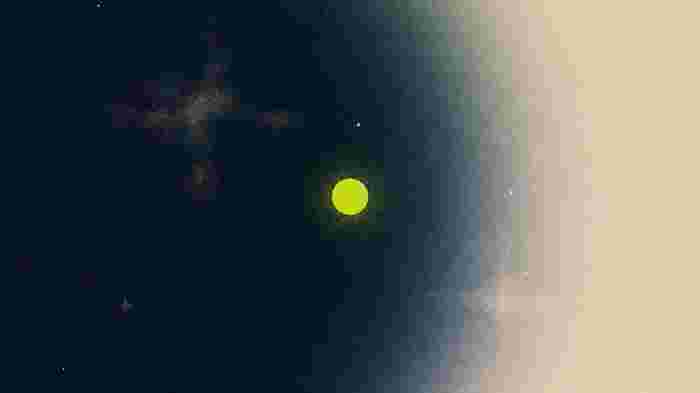
And we have city lights from space.
我们还有来自太空的城市灯光。
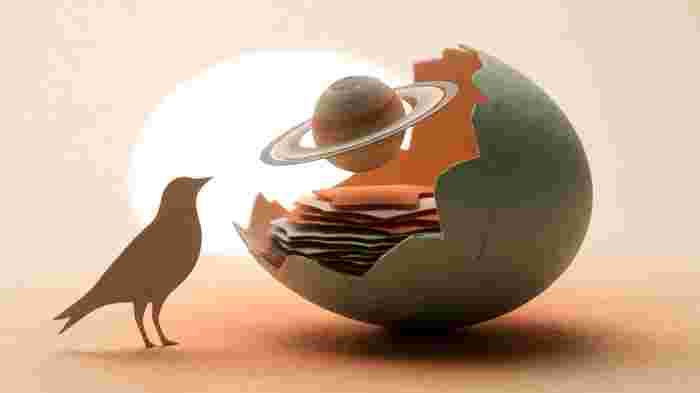
In our briefs, we talk about eggshells.
在我们的简讯中,我们聊聊蛋壳。
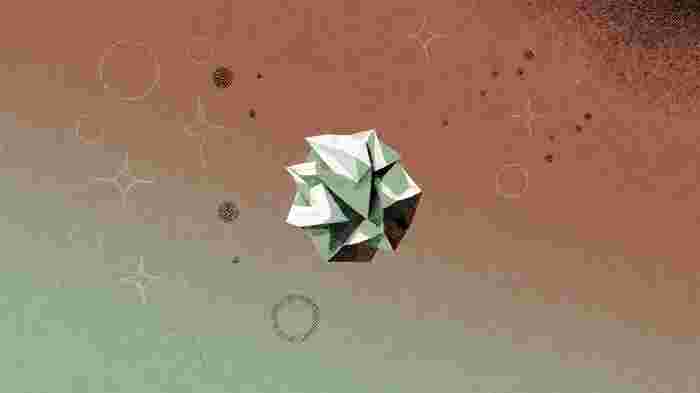
Eggshells can protect spaceships.
蛋壳可以保护宇宙飞船。
We also talk about a very old fossil.
我们还聊到了一个非常古老的化石。
And we have some very busy builder bees.
我们还有一些非常忙碌的建筑蜂。
It is a great morning for science.
对于科学来说,这是一个伟大的早晨。
Yes, let us start our first story.
是的,让我们开始我们的第一个故事。
Our first story is about a T -Rex.
我们的第一个故事是关于霸王龙的。
I love dinosaurs.
我喜欢恐龙。
T -Rex is my favorite.
霸王龙是我的最爱。
T -Rex was a very big dinosaur.
霸王龙是一种非常巨大的恐龙。
Yes, it had very sharp teeth.
是的,它有着非常锋利的牙齿。
A high school teacher found some footsteps.
一位高中老师发现了一些脚印。
A high school teacher?
一位高中教师?
That is cool.
那太酷了。
Yes, he walked near the city of Denver.
是的,他在丹佛市附近散步。
Denver has many beautiful mountains and rocks.
丹佛有许多美丽的山脉和岩石。
T -Rex. Right.
霸王龙。对的。
He saw some shapes in the stone.
他在石头上看到了一些形状。
Were they the footsteps of the T -Rex?
它们是霸王龙的脚印吗?
Yes, they were.
是的,它们是。
They are very old.
它们非常古老。
How old are they, Zoe?
佐伊,它们有多古老?
They are 66 million years old.
它们有66百万年的历史了。
That is a very big number.
那是一个非常大的数字。
Yes, this is a very rare find.
是的,这是一个非常罕见的发现。
Why is it a rare find?
为什么说这是一个罕见的发现?
Because they are footsteps of an adult T -Rex. Adult?
因为它们是一只成年霸王龙的脚印。成年的?
What does that mean?
那是什么意思?
It means a big, grown -up dinosaur.
意思是大型的、成年恐龙。
We usually find young dinosaur footsteps.
我们通常发现的是幼年恐龙的脚印。
Yes, but this T -Rex was big.
是的,但这只霸王龙非常庞大。
Did the T -Rex run fast there?
霸王龙在那里奔跑得快吗?
No, it did not.
不,它没有。
It walked slowly.
它走得很慢。
How do scientists know that?
科学家是怎么知道的?
They looked at the space between the steps.
他们观察了脚印之间的间隔。
The space between the footsteps?
脚印之间的间隔?
Yes, the steps are four meters apart.
是的,脚印相距间隔四米。
Four meters?
四米?
That is a very long step.
那是非常长的一步。
Yes, but the T -Rex was giant.
是的,但这只霸王龙非常巨大。
So four meters is a normal walk?
所以四米是正常的步行间距?
Yes, for a T -Rex, that is slow.
是的,对霸王龙来说,那是很慢的。
The T -Rex just enjoyed a nice morning.
这只霸王龙只是享受了一个美好的早晨。
Yes, it walked at a walking pace.
是的,它是以步行的步调走着。
Walking pace?
步行步调?
What is that?
那是什么?
It means it did not run.
意思是它没有奔跑。
I see.
我明白了。
It did not hunt other animals. Right.
它没有捕猎其他动物。是的。
It just walked slowly in the mud.
它只是在泥浆中慢慢走着。
Tell me more about the teacher.
多跟我讲讲那位老师的事吧。
Who is he?
他是谁?
He is a high school teacher.
他是一名高中老师。
What does he teach?
他教什么?
He teaches science to young students.
他给年幼的学生教科学。
He teaches science, so he likes rocks.
他教科学,所以他喜欢岩石。
Yes, he does.
是的,他确实喜欢。
He looks at rocks often.
他经常研究岩石。
Did he look for dinosaur footsteps that day?
那天他是去寻找恐龙脚印吗?
No, he did not.
不,他没有。
He just walked his dog.
他只是遛了遛他的狗。
He walked his dog?
他去遛狗了?
That is funny.
那真有趣。
Yes, his dog ran to the big rock.
是的,他的狗跑向了大岩石。
And then the teacher saw the footsteps?
然后老师就看到了脚印?
Yes, the dog helped the teacher.
是的,狗帮助了老师。
Good dog.
真是条好狗。
Dogs are great helpers.
狗是极好的帮手。
Yes, they are.
是的,它们确实是。
How big is one footstep?
一个脚印有多大?
One footstep is almost one meter long.
一个脚印几乎有一米长。
One meter long?
一米长?
That is huge.
那太巨大了。
Yes, it is very wide, too.
是的,它也非常宽。
My foot is only 20 centimeters.
我的脚只有20厘米。
Yes, the T -Rex foot is much bigger.
是的,霸王龙的脚要大得多。
The T -Rex was a giant animal.
霸王龙是一种巨大的动物。
Yes, it was 12 meters long.
是的,它有12米长。
12 meters long?
12米长?
That is like a house.
那就像一栋房子。
Yes, it was as tall as a house.
是的,它和房子一样高。
I want to go to Denver and see it.
我想去丹佛看看它。
You can see it there one day.
总有一天你能在那里看到它。
Yes, but now let us look at Saturn.
是的,但现在让我们看看土星。
Our second story is about Saturn.
我们的第二个故事是关于土星的。
Saturn is the yellow planet with rings.
土星是一颗带有光环的黄色行星。
Yes, it is very beautiful.
是的,它非常美丽。
Does Saturn have storms?
土星上有风暴吗?
Yes, it does.
是的,它确实有。
It has huge storms.
它有巨大的风暴。
What did scientists see on Saturn?
科学家在土星上看到了什么?
They used the Hubble Space Telescope.
他们使用了哈勃空间望远镜。
The big camera in space?
太空中的大相机吗?
Yes, they saw a new storm.
是的,他们看见了一个新的风暴。
Where is the storm on Saturn?
土星上的风暴在哪里?
It is on the south pole of Saturn.
它在土星的南极。
Is it a round storm like a circle?
它是一个像圆圈一样的圆形风暴吗?
No, it is not round.
不,它不是圆的。
What shape is it, Zoe?
佐伊,它是什么形状?
It has 10 flat sides.
它有10个平的边。
10 sides?
10条边?
That is very strange.
那非常奇怪。
Yes, it looks like a decagon.
是的,它看起来像一个十边形。
A decagon?
十边形?
What is that word?
那个词是什么意思?
It is a shape with 10 sides.
它是一个有10条边的形状。
Like a stop sign, but with more sides?
就像停车标志一样,但有更多的边?
Yes, a stop sign has 8 sides.
是的,一个停车标志有8条边。
So a decagon has 2 more sides?
所以十边形多出2条边?
Yes, it has 10 sides.
是的,它有10条边。
Why does a storm have 10 sides?
为什么风暴会有10条边?
Scientists do not know.
科学家们也不知道。
It is a mystery.
这真是个谜。
Saturn is a very weird planet.
土星是一颗非常怪异的行星。
Yes, its north pole has a hexagon storm.
是的,它的北极有一个六边形风暴。
A hexagon has 6 sides, right?
六边形有6条边,对吧?
Yes, the north pole has 6 sides.
是的,北极有6条边。
And the south pole has 10 sides?
而南极有10条边?
Yes, the poles have different shapes.
是的,两极有不同的形状。
Tell me about the Hubble telescope.
跟我讲讲哈勃望远镜吧。
The Hubble telescope is in space.
哈勃望远镜位于太空中。
Does it take photos every day?
它每天都会拍照片吗?
Yes, it takes many beautiful photos.
是的,它拍摄了许多美丽的照片。
What color is the 10 -sided storm?
那个10边形风暴是什么颜色的?
The storm looks blue and green.
那个风暴看起来是蓝绿色的。
Blue and green?
蓝色和绿色?
Like our Earth?
像我们的地球一样吗?
Yes, but it is not water.
是的,但它不是水。
What is the storm made of?
这场风暴是由什么构成的?
It is made of cold gas.
它是由冷气体组成的。
Saturn has no hard ground.
土星没有坚硬的地面。
Yes, Saturn is a gas planet.
是的,土星是一颗气体行星。
So we cannot walk on Saturn?
所以我们不能在土星上行走吗?
No, we cannot.
是的,我们不能。
We can only fly.
我们只能飞行。
That is very strange.
那太奇怪了。
Yes, Saturn is very different from Earth.
是的,土星与地球非常不同。
I love Saturn.
我喜欢土星。
It has many secrets.
它有很多秘密。
Yes, we want to learn more about it.
是的,我们想要了解更多关于它的信息。
Now, let us come back to Earth.
现在,让我们回到地球。
Yes, let us talk about our cities.
是的,让我们谈谈我们的城市。
Our third story is about city lights.
我们的第三个故事是关于城市灯光的。
Yes, city lights at night.
是的,夜晚的城市灯光。
I love looking at city lights.
我喜欢看城市的灯光。
An astronaut took photos of Earth from space.
一位宇航员从太空拍摄了地球的照片。
From the space station?
从空间站?
Yes, he took photos 12 years ago.
是的,他在12年前拍摄了这些照片。
And then?
然后呢?
He took photos of the same cities recently.
他最近拍摄了相同城市的照片。
Did the cities look different?
这些城市看起来不同了吗?
Yes, they did.
是的,确实如此。
The color changed.
颜色改变了。
What color were they 12 years ago?
12年前它们是什么颜色?
They were bright orange.
它们是明亮的橙色。
Why were they orange?
为什么它们是橙色的?
Because they used old street lamps.
因为它们使用的是旧街灯。
And what color are they now?
那现在它们是什么颜色的?
Now they are bright white.
现在它们是亮白色的。
Why are they white now?
为什么它们现在是白色的?
Because cities change to LED lamps. LED?
因为城市更换成了LED灯。LED?
What is that?
那个是什么?
It is a new kind of light.
它是一种新种类的光源。
Why are LED lamps good?
为什么LED灯很好?
They use very little electricity.
它们消耗很少的电。
Electricity is the power for lights.
电是灯光的能源。
Yes, LED lamps use less power.
是的,LED灯使用更少的电能。
So they save a lot of money?
所以它们能节省很多钱?
Yes, they save cities a lot of money.
是的,它们为城市节省了很多钱。
But the cities look different from space.
但是从太空看,城市变得不一样了。
Yes, we do not see the orange glow.
是的,我们看不到橙色的辉光了。
Now we see a cool white glow.
现在我们看到的是冷白色的光芒。
Yes, it is a big change for Earth.
是的,这对于地球来说是一个巨大的改变。
The photos show how humans change things.
这些照片展示了人类如何改变事物。
Yes, our technology changes our planet.
是的,我们的科技改变了我们的星球。
You said the lights are white now.
你说现在的灯是白色的。
Yes, they are very bright white.
是的,它们是非常明亮的白色。
Is that good for people?
那对人们有好处吗?
Yes, it is good.
是的,很有好处。
People can see better.
人们可以看得更好。
Is it good for drivers?
对司机来说好吗?
Yes, drivers can see the road clearly.
是的,司机可以清晰地看到道路。
So it is safe?
所以这样安全吗?
Yes, it is very safe.
是的,非常安全。
But what about the birds?
但是鸟类怎么办呢?
That is a good question.
那是个好问题。
Do birds like the bright white lights?
鸟类喜欢这种明亮的白光吗?
No, some birds get lost because of them.
不,有些鸟会因为它们而迷失。
Why do they get lost?
它们为什么会迷路?
Because they think it is daytime.
因为它们以为现在是白天。
So they do not sleep?
所以它们不睡觉吗?
Yes, they fly around and get very tired.
是的,它们到处飞,变得非常疲倦。
That is sad.
那真令人难过。
We need to help birds.
我们需要帮助鸟类。
Yes, some cities turn off lights at night.
是的,有些城市会在夜间关灯。
That is a good idea.
那是个好主意。
Yes, we must protect our animals.
是的,我们必须保护我们的动物。
That is very interesting.
那非常有趣。
Yes, it is.
是的,确实如此。
Now, let us hear some briefs. Great.
现在,让我们听听一些简讯。太棒了。
I love our quick news.
我喜欢我们快速的新闻简报。
First, let us talk about eggshells.
首先,让我们来聊聊蛋壳。
Eggshells like the eggs we eat? Yes.
像我们吃的鸡蛋的蛋壳吗?是的。
Eggshells are thin, but they protect eggs. True.
蛋壳很薄,但它们能保护鸡蛋。确实如此。
They are very strong.
它们非常坚固。
You cannot break an egg easily.
你不能轻易地捏碎鸡蛋。
Why is it so hard to break?
为什么捏碎它这么困难?
Because the curved shape shares the force.
因为弧形的形状分担了力量。
What does shared force mean?
什么是分担的力量?
The push goes to all parts of the egg.
这种推力传导到了鸡蛋的所有部位。
One part does not get all the push. Exactly.
没有一个部位会承受所有的压力。确实如此。
That is why it is strong.
这就是它坚固的原因。
What did scientists do with eggshells?
科学家利用蛋壳做了什么?
They made a new aluminum material. Aluminum?
他们制成了一种新型铝材料。铝?
That is a type of metal. Yes.
那是一种金属。是的。
It is a very light metal.
它是一种非常轻盈的金属。
How does the new metal look?
这种新金属看起来怎么样?
It looks like the shape of eggshells.
它看起来像蛋壳的形状。
What can we do with this metal?
我们可以用这种金属做什么?
We can protect spaceships with it.
我们可以用它来保护宇宙飞船。
Spaceships from what?
保护宇宙飞船免受什么伤害?
From space trash and small rocks.
免受太空垃圾和小岩石的伤害。
Do rocks hit spaceships in space?
太空中的岩石会撞击宇宙飞船吗?
Yes, they do.
是的,会的。
They fly very fast.
它们飞行得非常快速。
Like fast bullets? Yes.
像快速的子弹一样吗?是的。
They can break a normal spaceship.
它们能毁坏普通的宇宙飞船。
But this eggshell metal can stop them? Yes.
但是这种蛋壳金属能挡住它们?是的。
It is very strong and light.
它非常坚固且轻便。
Chinese scientists made this new metal. Yes.
中国科学家制造出了这种新金属。是的。
They are very smart.
他们非常聪明。
They study nature to build things. Yes.
他们研究大自然来制造东西。是的。
We can learn from nature.
我们可以向大自然学习。
What is our second quick story?
我们的第二个简短故事是什么?
It is about a very old fossil.
它是关于一块非常古老的化石。
Where did scientists find it?
科学家在哪儿找到它的?
A person found it in a sheep field.
有人在一片羊牧场发现了它。
A sheep field?
羊牧场?
In what country?
在哪个国家?
The sheep field is in Norway.
这个羊牧场在挪威。
Norway is a beautiful cold country. Yes.
挪威是一个美丽而寒冷的国家。是的。
The fossil is very old, Caleb.
这块化石非常古老,凯莱布。
How old is it?
它有多古老?
It is 500 million years old.
它已有500百万(5亿)年的历史了。
That is super old. Yes.
那真是超级古老。是的。
It is a 3D animal fossil.
这是一块立体动物化石。
What is a 3D fossil?
什么是立体化石?
Most fossils are flat, like paper.
大多数化石都是扁平的,就像纸一样。
Like a drawing on a page?
就像纸页上的图画一样吗?
But this fossil has a body shape.
但这块化石有着完整的身体形状。
Like a small toy animal? Yes.
就像一只小玩具动物吗?是的。
We can see the inside of the animal.
我们可以看到动物的内部。
That is very rare.
那真是非常罕见。
Yes, it is.
是的,确实如此。
It is a big gift for science.
这是献给科学的一份大礼。
How did the fossil stay 3D?
这块化石是怎么保持立体状态的?
Because it turned into stone very fast.
因为它非常迅速地变成了石头。
Long ago, that field was underwater. Yes.
很久以前,那片牧场是在水下的。是的。
It was an ocean.
那里曾经是一片海洋。
So the animal was a sea animal? Yes.
所以那个动物是海洋动物?是的。
It was a tiny sea animal.
它是一只微小的海洋动物。
And the mud became stone quickly. Yes.
而且泥浆很快变成了石头。是的。
The sheep walked on a treasure.
绵羊踩在了一块宝藏上。
Yes, they did.
是的,它们确实踩在上面了。
Sheep are lucky.
绵羊真幸运。
Our last story is very sweet.
我们的最后一个故事非常温馨。
Tell me.
快告诉我吧。
I love sweet stories.
我喜欢温馨的故事。
A homeowner looked at his front door.
一位房主看了看他的前门。
Did he see a bird? No.
他看到鸟了吗?没有。
He saw some bees.
他看到了一些蜜蜂。
Were they angry bees?
它们是愤怒的蜜蜂吗?
No, they were not.
不,它们不是。
They were busy.
它们很忙碌。
What did they do at the door?
它们在门口做什么?
They carried wet mud.
它们搬运了湿润的泥土。
It looked like cement.
它看起来像水泥。
Mud that looks like cement? Yes.
看起来像水泥的泥土?是的。
They packed the mud into the door.
它们把泥土塞进了门缝里。
Why did they do that?
它们为什么做了那件事?
Because they built small rooms for eggs.
因为它们为卵建造了小房间。
Ah, egg chambers. Yes.
啊,育卵室。是的。
They put their eggs inside the mud.
它们把卵放在泥土里面。
Why did they use mud?
它们为什么使用泥土?
The mud dries and gets very hard.
泥土干了之后会变得非常硬。
So it protects the baby bees? Yes.
所以它能保护幼蜂?是的。
It keeps them safe from other bugs.
这能保护它们免受其他虫子的侵害。
Bees are very smart builders. Yes.
蜜蜂是非常聪明的建筑师。是的。
They are great workers.
它们是伟大的劳动者。
How many bees were there?
那里有多少只蜜蜂?
There were only a few bees.
只有少数几只蜜蜂。
Did they live in a big group? No.
它们生活在一个大群体里吗?不。
They were solitary bees. Solitary?
它们是独居蜜蜂。独居?
What does that mean?
那是什么意思?
It means they live alone.
意思是它们独自生活。
So one mother bee built the house? Yes.
所以是一只蜂妈妈建造了房子?是的。
She worked hard for her babies.
她为了宝宝努力工作。
That is a very good mother bee. Yes.
那真是一只非常优秀的蜂妈妈。是的。
She wanted her babies to be safe.
她希望她的宝宝们是安全的。
Did the homeowner let them stay?
屋主允许它们留下来吗?
Yes, he did.
是的,他允许了。
He did not hurt them.
他没有伤害它们。
That is very kind of him. Yes.
他真是太善良了。是的。
We must share our world with bugs.
我们必须与虫子共享我们的世界。
What a wonderful morning of news.
多么精彩的新闻早晨啊。
Yes, it was.
是的,确实是。
We learned many things today.
我们今天学到了很多东西。
Now we have a question for our listeners.
现在我们给听众提一个问题。
What city do you want to see from space?
你想从太空看到哪个城市?
Think about your favorite city at night.
想想夜晚你最喜欢的城市。
Please write your answer in the comments.
请在评论区写下你的答案。
You can read other people's answers too.
你也可以阅读其他人的答案。
Please subscribe to Talkcast on your phone.
请在手机上订阅 Talkcast。
And share our show with your friends.
并与你的朋友分享我们的节目。
We thank you for your support and feedback.
我们感谢您的支持和反馈。
Your feedback makes us very happy.
您的反馈让我们非常高兴。
We publish the English text on our WeChat page.
我们在微信页面上发布英文文本。
The name of the WeChat page is Talkcast.
微信页面的名称是 Talkcast。
You can read the text on that page.
您可以在该页面上阅读文本。
Have a wonderful morning, everyone.
祝大家度过一个美好的早晨。
See you tomorrow. Goodbye. Goodbye.
明天见。再见。再见。