Interactive transcript · 184 lines
Good morning, space and science lovers.
早上好,太空与科学爱好者们。
Welcome to TalkCast, your favorite morning show.
欢迎收听 TalkCast,您最喜爱的早间节目。
Today is September 11th, 2026.
今天是 2026 年 9月 11 日。
I am Amelia.
我是阿米莉亚。
And I am Caleb.
我是凯莱布。
Happy morning to all of you.
祝大家早晨愉快。
It is a beautiful day to learn something new.
这是一个学习新知识的美好日子。
I am so excited to be here with you today.
今天能和大家在一起,我感到非常兴奋。
Before we start our exciting stories, we want to say a huge thank you to all our wonderful TalkCast members.
在我们开始精彩的故事之前,我们要向所有棒极了的 TalkCast 会员表示巨大的感谢。
Your support keeps our show running every morning. Absolutely.
您的支持让我们的节目每天早上都在持续运行。当然。
We truly appreciate you.
我们非常感激您。
If you are not a member yet, please consider joining our TalkCast family.
如果您还不是会员,请考虑加入我们的 TalkCast 大家庭。
We need your support to keep sharing these fun science discoveries.
我们需要您的支持来继续分享这些有趣的科学发现。
That is right.
一点没错。
Now let us look at our headlines for this morning.
现在让我们来看看今天早上的头条新闻。
We have some incredible stories today.
今天我们有一些难以置信的故事。
First, we will walk with a giant.
首先,我们将与巨兽同行。
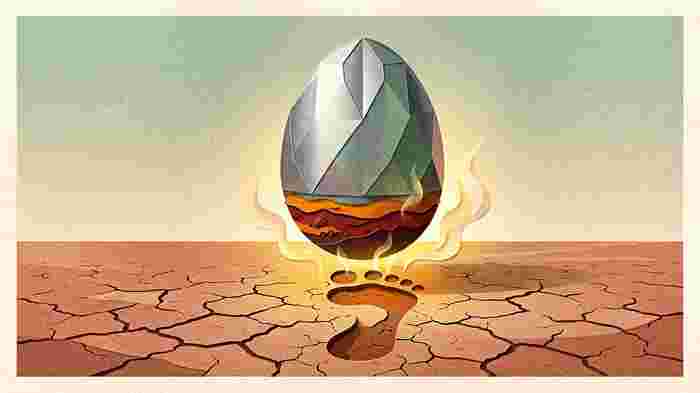
Scientists have discovered the first ever adult T -Rex footprints in North Dakota.
科学家们在北达科他州发现了有史以来第一批成年霸王龙的脚印。
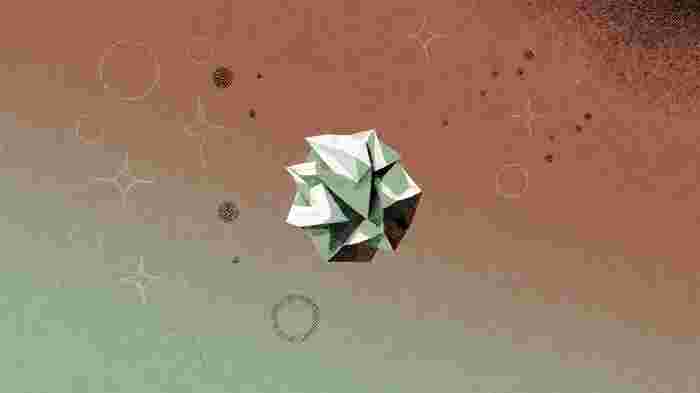
Then we will look at how the humble eggshell is helping engineers protect spacecraft from dangerous
然后我们将看看不起眼的蛋壳是如何帮助工程师保护航天器免受危险的
space junk.
太空垃圾伤害的。
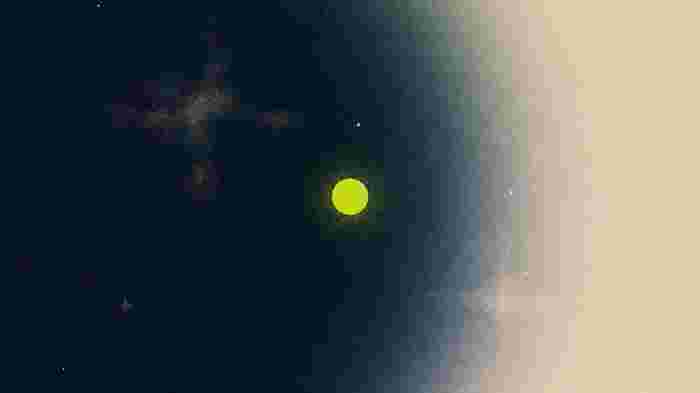
We will also visit Mercury to find out why the closest planet to our sun is actually shrinking.
我们还将探索水星,了解为什么这颗距离太阳最近的行星实际上正在萎缩。
And for our quickfire round, we'll hear about a fossil feather in dinosaur poop, a giant prehistoric
在我们的快问快答环节,我们将听到关于恐龙粪便中的羽毛化石、巨大的史前
tooth in a creek, and how massive dinosaurs kept their eggs warm.
溪流中的牙齿,以及巨大的恐龙是如何保持它们的蛋温暖的。
This is going to be a fantastic episode.
这将是非常精彩的一期节目。
Let us get started with our first story.
让我们开始我们的第一个故事吧。
Our first major story takes us to the badlands of North Dakota.
我们的第一个主要故事带我们前往北达科他州的荒地。
For the first time, scientists have found a trackway of an adult Tyrannosaurus rex.
科学家们首次发现了成年霸王龙的足迹链。
Wait, Amelia, what is a trackway?
等等,阿米莉亚,什么是足迹链?
Is it like a walking path?
就像是一条行走小径吗?
Yes, exactly.
是的,完全正确。
A trackway is a line of footprints.
足迹链就是一排脚印。
In the past, scientists only found single footprints of T -Rex.
过去,科学家只发现过霸王龙的单个脚印。
But now they found a clear line of steps.
但现在他们发现了一条清晰的脚步痕迹。
This means we can see how the dinosaur actually walked.
这意味着我们可以看到恐龙实际上是如何行走的。
Oh, I see.
哦,我明白了。
Like when you walk on wet sand at the beach and leave a line of footprints behind you.
就像你在海滩上的湿沙子上行走,身后留下一长串脚印一样。
So what does this tell us about the T -Rex?
那么这能告诉我们关于霸王龙的什么信息呢?
It tells us how they moved.
它告诉我们它们是如何移动的。
This T -Rex was walking at a slow, steady pace.
这只霸王龙以缓慢而平稳的步调行走。
The trackway is 66 and a half million years old.
这条足迹链有六千六百万五千年的历史。
It shows the dinosaur was walking normally, not running.
它表明恐龙是在正常地行走,而不是在奔跑。
Wow, 66 million years old.
哇,六千六百万年的历史。
That is amazing.
那太神奇了。
How big were the footprints?
这些脚印有多大?
They were huge.
它们非常巨大。
Each footprint is almost one meter long.
每个脚印几乎有一米长。
Scientists can use the distance between the footprints to calculate how tall the T -Rex was and how
科学家可以利用脚印之间的距离来计算霸王龙有多高以及
fast it walked.
它行走得有多快。
That is so cool.
那真是太酷了。
I always thought they only ran, like in the movies.
我总是以为它们只会奔跑,就像在电影里那样。
But they also took quiet morning walks. Yes.
但他们也进行了安静的晨间散步。是的。
It turns out they walked at about 4 to 5 kilometers per hour.
事实证明,他们的步行速度大约是每小时 4 到 5 公里。
That's very similar to a normal human walking speed.
这与正常人的步行速度非常相似。
Imagine walking next to a T -Rex at the same speed.
想象一下以同样的速度走在霸王龙身边。
That would be terrifying, but also very exciting.
那会非常可怕,但也非常令人兴奋。
I agree.
我同意。
Now from giant dinosaurs, let us go into space.
现在让我们从巨大的恐龙探索转向太空。
Space junk is a huge problem.
太空垃圾是个巨大的问题。
Even small pieces of dust can damage spacecraft because they travel extremely fast. Yes.
即使是微小的尘埃也会损坏航天器,因为它们的飞行速度极其快。是的。
I heard that even a tiny paint chip can break a spaceship window.
我听说即使是一小块微小的漆片也能击碎飞船的窗户。
How do we stop that?
我们如何阻止这种情况?
Well, researchers in China found a solution in a very surprising place. Eggshells. Eggshells?
嗯,中国的研究人员在一个非常令人惊讶的地方找到了解决方案。蛋壳。蛋壳?
But eggshells are so weak.
但是蛋壳太脆弱了。
If I drop an egg, it breaks immediately.
如果我掉了一个鸡蛋,它会立即破裂。
How can eggshells protect a spaceship?
蛋壳怎么能保护飞船呢?
It's all about the shape, Caleb.
凯勒布,这完全取决于形状。
Eggshells have a dome shape.
蛋壳具有穹顶形状。
This shape is very good at spreading force.
这种形状非常擅长分散受力。
If you push on the top of an egg, it's actually very strong.
如果你按下鸡蛋的顶部,它实际上非常坚固。
Oh, that makes sense.
哦,那很有道理。
So did they put actual eggs on the spaceship?
所以他们真的把真实的鸡蛋放到了飞船上吗?
No, not real eggs.
不,不是真的鸡蛋。
They used 3D printers to make a special metal structure.
他们使用 3D 打印机制作了一种特殊的金属结构。
It's made of many tiny egg -shaped aluminum domes.
它由许多微小的蛋形铝制穹顶组成。
They call it a metastructure.
他们称之为超结构。
Ah, a metastructure.
啊,超结构。
Can you explain what that means? Sure.
你能解释一下那是什么意思吗?当然。
It's a material that is designed to have special qualities.
这是一种被设计为具有特殊特性的材料。
In this case, the egg -shaped pattern makes the aluminum much stronger and better at absorbing shocks.
在这种情况下,蛋形图案使铝更加坚固,并且更能吸收震动。
Ah, so it's a smart design.
啊,所以这是一个聪明的设计。
How well does it work?
它的效果有多好?
In computer tests, this egg -shaped armor reduced the impact speed of space debris by 65%.
在计算机测试中,这种蛋形装甲将太空碎片的撞击速度降低了 65%。
It absorbs the energy of the hit and keeps the spaceship safe.
它吸收撞击的能量,确保飞船的安全。
That is incredible.
这真是不可思议。
Nature really has the best designs.
大自然确实拥有最好的设计。
First we learn from animals, and now we learn from eggs. Indeed.
首先我们向动物学习,现在我们向鸡蛋学习。确实。
Now let us look at our closest neighbor to the sun, Mercury.
现在让我们看看距离太阳最近的邻居,水星。
A new study shows that Mercury is actually shrinking, and it's happening faster than we thought. Shrinking?
一项新研究表明,水星实际上正在萎缩,而且发生速度比我们想象的要快。萎缩?
Like a wool sweater in a hot washing machine?
就像热洗衣机里的羊毛毛衣一样?
That's actually a perfect analogy, Caleb.
凯勒布,这实际上是一个完美的类比。
As Mercury's metal core cools down over billions of years, the planet contracts.
随着水星的金属核心在数十亿年中冷却下来,这颗行星就会收缩。
This causes its outer crust to wrinkle and crack.
这导致其外壳起皱并开裂。
Wrinkle and crack?
起皱和开裂?
So does Mercury have giant wrinkles?
所以水星上有巨大的皱纹吗?
Yes, it does.
是的,它确实有。
Scientists call them scarps.
科学家称之为断崖。
These are giant cliffs that can be miles high and hundreds of miles long.
这些是巨大的悬崖,可能高达数英里,长达数百英里。
As the planet gets smaller, the crust pushes together and creates these cliffs.
随着行星变小,地壳相互挤压并形成这些悬崖。
That is wild.
那真是太神奇了。
How much is a trunk?
一个后备箱要多少钱?
Scientists think it has lost about 14 kilometers in diameter, and the new photos show that these
科学家认为它的直径减少了大约14公里,最新照片显示这些
cliffs are still changing.
悬崖仍在不断发生变化。
This means Mercury is still shrinking today. Wow.
这意味着水星今天仍在缩小。哇。
It must have some serious planetary earthquakes when those cliffs form.
当那些悬崖形成时,一定发生过严重的行星地震。
Yes, indeed.
是的,确实如此。
Scientists call them Mercury quakes.
科学家称之为水星震。
They think the planet is still very active inside.
他们认为这颗行星内部仍然非常活跃。
It is amazing that we can see these changes on a planet so far away.
我们在如此遥远的行星上能看到这些变化,真是令人惊叹。
It really is.
确实是这样。
And speaking of Mercury, there is actually a spacecraft on its way there right now.
说到水星,现在其实正有一艘航天器飞往那里。
It is called BepiColombo, a mission by Europe and Japan.
它被称为“贝皮可伦坡号”,是由欧洲和日本合作的探测任务。
Oh, BepiColombo.
哦,贝皮可伦坡号。
How long has it been traveling?
它已经飞行了多久了?
It has been traveling for eight long years, and it just began its final descent to orbit Mercury.
它已经飞行了整整八年,刚刚开始向水星轨道的最终下降。
It took an epic video that shows its journey of 10 billion kilometers in just three minutes.
它拍摄了一段史诗般的视频,在短短三分钟内展示了其100亿公里的旅程。
10 billion kilometers?
100亿公里?
That is an insanely long trip.
那真是一段极其漫长的旅程。
Why does it take so long to get to Mercury?
为什么前往水星需要这么长时间?
Because Mercury is so close to the Sun, the Sun's gravity pulls the spacecraft very hard.
因为水星距离太阳太近,太阳的引力会对航天器产生极大的拉力。
To slow down and enter orbit safely, the spacecraft has to do many flybys of other planets to lose speed.
为了减速并安全进入轨道,航天器必须对其他行星进行多次飞越以减速。
Ah, it is like using the brakes on a bicycle when going down a very steep hill. Exactly.
啊,就像骑自行车下非常陡峭的山坡时踩刹车一样。一点也没错。
BepiColombo will measure Mercury's particle bombardment and help us map those shrinking cliffs in
贝皮可伦坡号将测量水星的粒子轰击,并帮助我们绘制那些正在缩小的悬崖
even greater detail.
更详细的细节。
That is so exciting.
那太让人兴奋了。
I cannot wait to see the close -up photos.
我迫不及待想看到那些特写照片了。
Now, let us move to our quick -fire news round.
现在,让我们进入简讯速览环节。
First, we have a very unusual fossil discovery.
首先,我们有一个非常罕见的化石发现。
Scientists found a bird feather inside a dinosaur coprolite. Copperlite?
科学家在一块恐龙粪化石中发现了鸟类羽毛。粪化石?
What on earth is a coprolite?
究竟什么是粪化石?
Copperlite is just a scientific word for fossilized dinosaur poop.
Copperlite(粪化石)只是恐龙化石化粪便的科学用词。
Oh, dinosaur poop.
哦,恐龙粪便啊。
That is hilarious.
那太搞笑了。
But also, how did a feather survive in poop for so long?
但是,羽毛是怎么在粪便中保存这么长时间的呢?
It was preserved inside 66 -million -year -old dinosaur waste.
它被保存在6600万年前的恐龙排泄物中。
A tyrannosaur ate a bird, and the feather was trapped and fossilized.
一只暴龙吃了一只鸟,羽毛被困在里面并形成了化石。
It is the first time scientists have found a feather inside coprolite.
这是科学家第一次在粪化石内部发现羽毛。
It helps us understand what dinosaurs ate and how bird feathers evolved.
这有助于我们了解恐龙吃什么以及鸟类羽毛是如何演化的。
That is amazing.
那太神奇了。
It shows that tyrannosaurs had a feathery meal right before the mass extinction.
这表明霸王龙在大灭绝之前曾饱餐过带羽毛的猎物。
Next, a high school student in California made a massive discovery.
接下来,加利福尼亚州的一名高中生取得了一项重大发现。
While walking near a creek in San Mateo County, he found a huge, strangely shaped rock.
当他在圣马特奥县一条小溪附近散步时,发现了一块巨大的、形状怪异的石头。
It turned out to be a 10 ,000 -year -old mastodon tooth.
结果证明这是一颗有1万年历史的乳齿象牙齿。
A mastodon?
乳齿象?
Is that like a woolly mammoth? Yes.
那是像长毛猛犸象一样的动物吗?是的。
They were giant, elephant -like animals from the Ice Age.
它们是来自冰河时代的巨大大象状动物。
The tooth is in perfect condition.
这颗牙齿保持着完美的状态。
It is a rare and exciting find for the local area.
对于当地来说,这是一个罕见且令人兴奋的发现。
I need to start looking more closely at rocks when I go for walks.
我散步时需要开始更仔细地观察石头了。
Who knows what is hiding in my local park?
谁知道我当地公园里隐藏着什么呢?
You definitely should.
你绝对应该这么做。
Many great discoveries are made by regular people.
许多伟大的发现都是由普通人做出的。
Finally, let us talk about how giant dinosaurs incubated their eggs.
最后,让我们聊聊巨型恐龙是如何孵化它们的蛋的。
To incubate means to keep eggs warm so they can hatch. Right.
孵化意味着保持蛋的温度,以便它们能够孵化。对的。
Like how chickens sit on their eggs.
就像母鸡孵蛋一样。
But wait, a giant dinosaur would crush its eggs if it sat on them. Exactly.
但等等,巨型恐龙如果坐在上面会压碎蛋的。一点没错。
Giant dinosaurs were too heavy to sit on their nests.
巨型恐龙太重了,无法坐在它们的巢穴上。
So how did they keep them warm, especially in cold climates?
那么它们是如何保暖的呢,特别是在寒冷的气候中?
Did they build little blankets?
难道它们制作了小毯子?
Or maybe they used warm mud?
或者也许它们利用了温暖的泥浆?
Very close.
非常接近了。
A new study shows they laid their eggs in areas with warm soil, or they covered them with rotting plants.
一项新研究表明,它们把蛋产在土壤温暖的地方,或者用腐烂的植物盖住它们。
When plants rot, they produce heat.
当植物腐烂时,它们会产生热量。
This kept the eggs warm and safe.
这保持了蛋的温暖与安全。
Wow, that is like a natural greenhouse.
哇,那就像是一个天然温室。
Dinosaurs were smart parents after all.
恐龙究竟还是聪明的父母。
They certainly were.
它们确实是。
And that brings us to the end of today's morning broadcast on Talkcast.
这就带我们来到了今天 Talkcast 晨间广播的尾声。
We talked about giant walking T -Rexes, eggshell armor for spaceships, shrinking planets, and clever
我们聊到了庞大的陆行霸王龙、用于飞船的蛋壳装甲、缩小的行星,以及聪明的
dinosaur parents.
恐龙父母。
For our listeners today, here is a fun question.
对于我们今天的听众来说,这里有一个有趣的问题。
If you could use a design from nature to solve a modern problem, what animal or plant would you choose?
如果你能利用自然界的设计来解决现代问题,你会选择哪种动植物?
And what would it solve?
它又能解决什么问题?
That is a great question.
那是一个棒极了的问题。
Let us know your ideas in the comments section below, or read what other listeners are saying.
请在下方的评论区分享你的想法,或者看看其他听众说了些什么。
I cannot wait to see your creative ideas.
我迫不及待想看到你们有创意的想法。
Don't forget to subscribe to Talkcast, share it with your friends, and leave us a nice review on
别忘了订阅 Talkcast,分享给你的朋友们,并在你最喜欢的
your favorite podcast app.
播客应用上给我们留个好评。
If you want to practice your English, you can find the full script and audio of today's broadcast on
如果你想练习英语,可以在我们位于 www.talkcast.top 的网站上找到今天广播的完整文稿和音频,或者在
our website at www .talkcast .top, or on our WeChat account, Talkcast.
我们的微信公众号 Talkcast 上找到。
We publish them regularly.
我们会定期发布它们。
Thank you all for listening.
感谢大家的收听。
Have a wonderful morning, and we will see you tomorrow.
祝大家度过一个美好的早晨,我们明天见。
Goodbye, everyone.
再见,大家。
Keep exploring.
保持探索。