Interactive transcript · 188 lines
Good morning and welcome to TalkCast, your daily early morning science digest.
早上好,欢迎收听 TalkCast,您的每日清晨科学简报。
I am Liam.
我是利亚姆。
And I am Sophia.
我是索菲娅。
A very warm and bright morning to all of our wonderful listeners out there.
向所有收听我们节目的精彩听众们致以最温暖、最明媚的早晨问候。
Today is September 13th, 2026, and we have a fresh pot of coffee brewed and some absolutely mind
今天是2026年9月13日,我们冲泡好了一壶新鲜的咖啡,还有一些绝对大
-expanding stories to share.
-拓展思路的故事要与大家分享。
That is right, Sophia.
一点没错,索菲娅。
Today we are exploring some of the most fascinating secrets of our ancient Earth, the biology of
今天我们将探索我们古老地球上一些最迷人的秘密,以及
survival, and the outer reaches of space.
生存生物学,以及外太空的遥远边缘。
But before we jump into our headlines, we want to give a massive shout out to our incredible
但在进入我们的头条新闻之前,我们想向我们棒极了的
TalkCast members.
TalkCast 会员表达由衷的感谢。
Your support keeps our show alive and helps us bring these daily science digests to English learners
您的支持让我们的节目保持活力,并帮助我们将这些每日科学简报带给英语学习者
all over the globe.
遍布全球。
Thank you so much, everyone.
非常感谢大家。
If you have not joined yet, please consider subscribing or becoming a member on our website.
如果您尚未加入,请考虑在我们的网站上订阅或成为会员。
It really makes a world of difference for our independent production.
这对于我们的独立制作来说确实带来了天壤之别。
Now, Sophia, what are we teasing today?
那么,索菲娅,我们今天将要预告哪些内容呢?
Oh, we have some giants on the show today, Liam.
哦,利亚姆,我们今天的节目里有一些重磅大咖。
We are talking about the very first adult T -Rex footprints ever found, a prehistoric feathery meal
我们讨论的是有史以来发现的第一批成年霸王龙足迹、一顿带有羽毛的史前大餐
preserved in fossilized poop, a shocking theory that our sun might be a planet killer, and why
保存于化石化的粪便中、关于我们的太阳可能是行星杀手的震惊理论,以及为什么
future Mars astronauts might live in houses made of yeast and jello.
未来的火星宇航员可能会住在由酵母和果冻制成的房屋里。
It is quite the lineup.
这真是个强大的阵容。
Let us start with our big paleontology story.
让我们从关于古生物学的重大故事开始吧。
For decades, paleontologists have found skeleton fossils of the mighty Tyrannosaurus rex.
几十年来,古生物学家们发现了强悍的霸王龙的骨骼化石。
However, they had never found a clear path pathway of footprints left by a fully grown adult T -Rex,
然而,他们从未发现过由完全长成的成年霸王龙留下的清晰足迹路径,
until now.
直到现在。
Wait, really?
等等,真的吗?
We have all these massive skeletons in museums, but we have never seen their actual footprints?
我们在博物馆里拥有所有这些巨大的骨架,但我们却从未见过它们真实的足迹?
Why is that?
这是为什么呢?
Well, footprints require very specific environmental conditions to fossilize.
嗯,足迹需要非常特定的环境条件才能形成化石。
The ground has to be just wet enough to hold the shape, but then it must dry quickly and be buried
地面必须刚好足够湿润以保持形状,但随后必须快速干燥并被掩埋
by sediment without being washed away.
由沉积物覆盖而不会被冲走。
In the North Dakota Badlands, scientists have finally uncovered a sequence of four giant, three -toed
在北达科他州的荒地,科学家们终于发现了一连串四个巨大的、三趾的
prints from 66 .5 million years ago.
印痕,来自6650万年前。
That is amazing.
那真是太神奇了。
How big are we talking?
我们谈论的尺寸具体有多大?
And what can these prints tell us about how the T -Rex actually moved?
这些足迹能告诉我们关于霸王龙实际上是如何行动的哪些信息?
The sequence records a massive 13 -foot stride.
这一连串足迹记录了长达13英尺的巨大步幅。
By analyzing the distance between the prints, scientists calculated that this adult predator was
通过分析足迹之间的距离,科学家计算出这只成年捕食者当时
strolling along at about 3 .5 to 4 .5 miles per hour.
正以每小时约3.5到4.5英里的速度漫步。
So it was basically walking at the speed of a human going for a brisk morning walk.
因此,它基本上是以人类晨间轻快散步的速度在行走。
I always imagined them running like crazy, chasing down jeeps like in the movies. Exactly.
我总想象着它们疯了一样奔跑,像电影里那样追赶吉普车。一点没错。
But this trackway shows a relaxed walk.
但这条足迹道显示出一种轻松的步行状态。
It gives us a rare glimpse into the quiet daily life of a dinosaur.
它让我们罕见地窥见了恐龙平静的日常生活。
It shows us how they navigated their physical environment, which skeletons alone cannot tell us.
它向我们展示了它们如何在自然环境中穿行,而仅仅依靠骨骼是无法告诉我们这些的。
That is beautiful.
那真是太美好了。
But speaking of their daily lives, what about their diets?
但说到它们的日常生活,它们的饮食又如何呢?
I heard we have some rather dirty evidence of what they ate. Indeed.
我听说我们有一些关于它们吃什么的相当脏的证据。确实如此。
Our next story is about an exceptionally preserved bird feather found inside dinosaur coprolite from
我们的下一个故事是关于在恐龙粪化石中发现的极其完好的鸟类羽毛,来自
the exact same era.
完全相同的时代。
Okay, Liam, pause right there. Coprolite?
好的,利亚姆,先停一下。粪化石?
That is a very scientific -sounding word.
那听起来是个非常科学的词。
Can we translate that into plain English?
我们能把它翻译成通俗易懂的英语吗?
Ah, yes.
啊,是的。
Coprolite is simply the scientific term for fossilized feces, or in much simpler terms, prehistoric
粪化石简单来说就是化石化粪便的科学术语,或者用更简单的话来说,是史前的
dinosaur poop.
恐龙粪便。
Fossilized poop.
化石化的粪便。
I knew it.
我就知道。
So a dinosaur ate a feathery meal, pooped it out, and 66 million years ago we are looking at the
所以一只恐龙吃了一顿带羽毛的大餐,把它排泄出来,而在6600万年后的今天我们正在看着
feather inside it?
里面的羽毛?
That is wild.
那太离奇了。
It is.
确实是这样。
The fossilized feather is incredibly well -preserved because it was protected from the elements
这根化石羽毛保存得难以置信地完好,因为它在里面免受了自然风雨的侵蚀
inside the coprolite.
在粪化石内部。
This feather comes from a time right before the massive asteroid hit Earth and wiped out the dinosaurs.
这根羽毛来自巨大小行星撞击地球并灭绝恐龙之前的时代。
Evolutionary biologists believe this feather could explain why some ancient birds survived the
演化生物学家认为这根羽毛可以解释为什么一些古代鸟类能在
global catastrophe while other feathery dinosaurs perished.
全球性灾难中幸存下来,而其他长羽毛的恐龙则走向灭绝。
That is fascinating.
那太引人入胜了。
So a dinosaur's bathroom break is actually helping us solve one of the biggest mysteries of survival
所以恐龙的一次上厕所实际上是在帮助我们解开生存方面最大的谜团之一
and evolution?
和演化?
Science really does find answers in the most unexpected places.
科学确实能在最意想不到的地方找到答案。
It certainly does.
确实如此。
Now, let us leave the Earth's surface and look up at our solar system.
现在,让我们离开地球表面,抬头看看我们的太阳系。
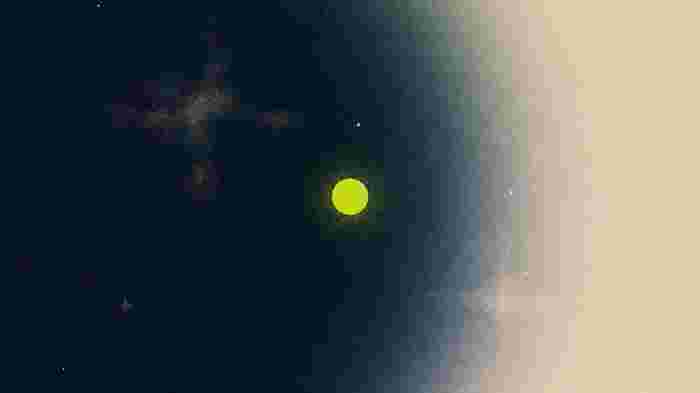
New research suggests that our sun might actually have a dark past.
新的研究表明,我们的太阳实际上可能有一段黑暗的历史。
It might have swallowed a planet.
它可能吞噬过一颗行星。
Whoa, back up.
哇,倒退一下。
The sun ate a planet?
太阳吃掉了一颗行星?
Like devoured it whole?
比如整个吞噬了它?
How is that even possible? Yes.
这怎么可能呢?是的。
The study suggests that early in the history of our solar system, the sun may have consumed a super Earth.
研究表明,在太阳系历史早期,太阳可能吞食了一颗超级地球。
A super Earth?
一颗超级地球?
What is that?
那是什么?
Is it like Earth but with a cape?
它就像地球但带着披风吗?
Not quite.
不尽然。
In astronomy, a super Earth is a type of planet that is larger than Earth but significantly smaller
在天文学中,超级地球是一种比地球大但明显小的行星
than gas giants like Neptune or Uranus.
比起像海王星或天王星这样的气体巨星。
We see them everywhere in other star systems, but strangely our solar system does not have one.
我们在其他恒星系统中到处都能看到它们,但奇怪的是,我们的太阳系却没有。
Ah, so our solar system is missing its super Earth because our sun got hungry and ate it.
啊,所以我们的太阳系缺失了它的超级地球,是因为我们的太阳饿了把它吃掉了。
But how do scientists know this?
但科学家是怎么知道这一点的呢?
Did the sun leave behind some crumbs?
太阳留下了一些碎屑吗?
In a way, yes.
在某种程度上,是的。
They found chemical fingerprints inside the sun.
他们在太阳内部发现了化学指纹。
When they analyze the light coming from the sun, they can identify the elements inside it.
当他们分析来自太阳的光线时,他们可以识别其中的元素。
The sun has a surprising abundance of heavy metals like iron and lithium in its outer layers.
太阳外层有着令人惊讶的丰富重金属,如铁和锂。
Computer models show that this specific chemical makeup matches what you would expect if a large
计算机模型显示,这种特定的化学组成符合你的预期,如果一个巨大的
rocky planet had fallen into the sun billions of years ago.
岩石行星在数十亿年前坠入太阳的话。
So the evidence is literally glowing in the dark.
所以证据字面上就在黑暗中发光。
That is incredibly cool.
那真是难以置信地酷。
But while the sun is destroying planets, humans are trying to build new homes on them, specifically
但当太阳在摧毁行星时,人类正试图在它们上面建立新的家园,具体来说
on Mars.
在火星上。
Yes, and the building materials are highly unusual.
是的,而且这些建筑材料非常不寻常。
Scientists are proposing that future Mars astronauts could live in houses 3D printed from freeze
科学家们正在提议,未来的火星宇航员可以居住在由冻
-dried yeast and gelatin.
干酵母和明胶 3D 打印出的房屋中。
Wait, did you say yeast and gelatin?
等等,你刚才是说酵母和明胶吗?
Like the stuff we used to make bread and jello?
就像我们用来做面包和果冻的那种材料?
Are we going to live in edible space houses?
我们难道要住在可食用的太空房屋里吗?
Well, you probably would not want to eat them.
额,你大概不会想吃它们的。
But yes, those are the exact ingredients.
但没错,确实就是这些原料。
Sending heavy concrete and steel to Mars is incredibly expensive.
将沉重的混凝土和钢铁运往火星极其昂贵。
Every pound of cargo costs thousands of dollars to launch.
发射每磅货物都要花费数千美元。
So scientists are looking for biomaterials, materials made by living organisms, that can be grown on site.
因此,科学家们正在寻找生物材料——由生物体制造的材料——它们可以在现场培育。
Okay, I can see how yeast can multiply and grow, but how do you turn bread ingredients into a sturdy
好吧,我能理解酵母如何繁殖和生长,但你如何把面包原料变成坚固的
wall that can withstand the harsh Martian environment?
能够抵御火星恶劣环境的墙体呢?
The process involves mixing freeze -dried yeast with a hydrogel made of gelatin and water.
这个过程包括将冻干酵母与由明胶和水制成的水凝胶混合。
This mixture can be fed into a 3D printer to create structures.
这种混合物可以输入 3D 打印机中来创建结构。
Once printed, the material is treated, making it extremely strong, lightweight, and capable of
一旦打印完成,材料经过处理,就会变得极其坚固、轻便,并且能够
blocking dangerous space radiation.
阻挡危险的太空辐射。
That is brilliant.
太巧妙了。
It's like using natural binders to glue things together.
这就像是用天然粘合剂把东西粘在一起。
So instead of flying heavy bricks to Mars, astronauts can just pack a tiny bag of yeast spores, add
所以,宇航员无需将沉重的砖块运到火星,只需带上一小包酵母孢子,加上
some water, and let the house grow itself. Exactly.
一些水,就能让房子自己长出来。一点也没错。
It is a highly sustainable way to colonize the red planet.
这是一种在这个红色星球上建立殖民地的极具可持续性的方式。
Now, let us speed things up with our quickfire round.
现在,让我们用快问快答环节来加快节奏。
First up, a major warning about Earth's climate.
首先,是关于地球气候的一个重大警告。
A new study reveals that the Atlantic Ocean has a hidden heat valve that controls global
一项新研究揭示,大西洋有一个隐藏的热量阀门,控制着全球
temperatures, and it could be closing.
温度,而它可能正在关闭。
A heat valve?
热量阀门?
Is that like a radiator dial for the planet?
这就像是地球的散热器调节盘吗?
Yes, it is a great metaphor.
是的,这是一个极好的比喻。
Scientists are referring to the Atlantic Meridional Overturning Circulation, or AMOC.
科学家们指的是大西洋经向翻转环流,即 AMOC。
It is a massive system of ocean currents, including the Gulf Stream, that carries warm water from
这是一个巨大的洋流系统,包括墨西哥湾暖流,它将暖水从
the tropics north to the North Atlantic.
从热带向北输送到北大西洋。
This heat keeps Europe relatively mild.
这种热量使欧洲保持相对温和。
And if this conveyor belt slows down or stops?
如果这条传送带减速或停止呢?
If it collapses, it could trigger extreme cooling in Europe, disrupt global rainfall patterns, and
如果它崩溃,可能会引发欧洲极度变冷,破坏全球降水模式,并且
cause a severe drop in food production.
导致粮食产量严重下降。
The study warns that natural climate feedback loops could accelerate global warming by an extra 30 %
研究警告说,如果该系统失灵,自然气候反馈回路可能会使全球变暖加速额外的 30%
if this system fails.
如果该系统失灵的话。
That is a sober reminder of how interconnected our planet's systems are.
这是一个发人深省的提醒,警示我们地球系统之间是多么紧密相连。
We definitely need to keep a close eye on those currents.
我们绝对需要密切关注那些洋流。
What is our second brief, Liam?
我们的第二则简讯是什么,利亚姆?
Next, let's talk about music.
接下来,让我们聊聊音乐。
Have you ever wondered what you can't help but tap your feet when a good song comes on?
你有没有好奇过,为什么当一首好歌响起时,你会忍不住踩拍子?
A new study suggests that the brain's ability to hear and feel a musical beat remains a uniquely
一项新研究表明,大脑感知和体会音乐节奏的能力仍然是一种独一无二地
human trait. Really?
人类特征。真的吗?
I've seen videos of birds bobbing their heads to music.
我看过鸟儿随着音乐上下摆动头部的视频。
Is that not keeping a beat?
那难道不是在踩节拍吗?
While some animals can mimic movements, research shows that humans possess a distinct neural network
虽然有些动物可以模仿动作,但研究表明人类拥有一种独特的神经网络
that automatically predicts and aligns with a regular rhythm.
能够自动预测并与有规律的节奏保持对齐。
Other primates, like chimpanzees, can hear the sounds, but their brains do not process the beat in
其他灵长类,如黑猩猩,可以听到声音,但它们的大脑无法按以下方式处理节拍
the same anticipatory way we do.
就像我们以同样具有预判性的方式一样。
Our brains are uniquely wired for the joy of rhythm.
我们的脑海天生就能感受节奏带来的快乐。
I knew we were special.
我就知道我们很特别。
No wonder music is a universal language for humanity.
难怪音乐是人类通用的语言。
What is our final quickfire story?
我们的最后一个快问快答故事是什么?
Finally, a mystery from the ancient oceans.
最后,是一个来自古老海洋的未解之谜。
Scientists have been puzzled by certain fossilized shells that suddenly flip their spiral growth direction.
科学家们一直对某些突然改变螺旋生长方向的化石贝壳感到困惑。
Wait, shells can grow clockwise or counterclockwise, and they just decide to flip every few thousand years?
等等,贝壳可以顺时针或逆时针生长,而它们每隔几千年就决定反转一次?
Yes, these tiny marine fossils called Foraminifera usually coil their shells in one direction, but
是的,这些被称为有孔虫的微小海洋化石通常向一个方向盘绕它们的贝壳,但是
every few millennia, the entire population flips to the opposite direction.
每隔几千年,整个种群就会转向相反的方向。
Scientists now believe this spiral flipping is a highly sensitive evolutionary response to shifts in
科学家现在认为,这种螺旋反转是对环境变化高度敏感的演化反应,
ocean temperatures and currents.
针对海洋温度和洋流的改变。
It's like a natural thermometer recorded in stone. Wow.
这就像刻在石头上的天然温度计。哇。
So by looking at which way a tiny shell twists, we can read the temperature of the oceans from
所以通过观察微小贝壳向哪个方向扭转,我们就能读取海洋的温度,
millions of years ago.
来自数百万年前的温度。
That is absolutely beautiful.
那绝对太美妙了。
It is the ultimate natural archive.
这是终极的自然档案库。
And that brings us to the end of today's morning edition of TalkCast.
这也带我们来到了今天 TalkCast 晨间版节目的尾声。
We have walked alongside a T -Rex in North Dakota, dissected a feathery prehistoric meal, explored
我们在北达科他州与霸王龙同行,解剖了一顿有羽毛的史前大餐,探索了
the sun's planet eating past, imagined yeast houses on Mars, felt the pulse of the Atlantic
太阳吞噬行星的过去,构想了火星上的酵母房屋,感受了大西洋
currents, tapped our feet to the human beat, and read the spirals of ancient shells.
洋流的脉动,随着人类的节拍踩着脚掌,并解读了古老贝壳的螺旋。
What a fantastic journey.
多么美妙的旅程啊。
Now, we have an open -ended question for our listeners to ponder over.
现在,我们有一个开放式的问题供我们的听众深思。
Their morning coffee.
伴着他们的早晨咖啡。
If you were tasked with naming a planet that our sun might have swallowed in the past, what would
如果你被赋予为太阳过去可能吞噬的行星命名的任务,你会
you name it, and why?
给它命名为什么,以及为什么?
That is a wonderful creative question.
那真是个富有创意的好问题。
Please write down your answers in the comment section below, or check out what other listeners have written.
请在下方的评论区写下你的答案,或者看看其他听众写了什么。
We absolutely love reading your thoughts.
我们绝对非常喜欢阅读大家的想法。
Yes, please do share your ideas.
是的,请务必分享你的看法。
And if you enjoyed learning with us today, make sure to subscribe to TalkCast, share the podcast
如果你喜欢今天和我们一起学习,请务必订阅 TalkCast,分享本播客
with your friends, and leave us a glowing review on your favorite platform.
给你的朋友们,并在你最喜欢的平台上给我们留下极高的评价。
A quick reminder for our listeners, the full English text and audio of this episode are published
给听众朋友们一个快速提醒,本期的英文全文和音频均已发布
regularly on our website, www .talkcast .top, and on our WeChat public account, TalkCast.
定期在我们的网站 www.talkcast.top 以及微信公众号 TalkCast 上更新。
It is a fantastic resource to practice your English listening and reading skills.
这是练习英语听力和阅读技能的极佳资源。
Thank you so much for starting your morning with us.
非常感谢您与我们一起开启美好的早晨。
Stay curious, have an amazing day, and we will see you next time.
保持好奇,祝你有美好的一天,我们下次再见。
Goodbye, everyone.
大家再见。