Interactive transcript · 227 lines
Good morning, everyone.
大家早上好。
Welcome to TalkCast, your daily English news podcast.
欢迎收听 TalkCast,您的每日英语新闻播客。
I am Daniel, and it is wonderful to have you with us on this beautiful morning.
我是丹尼尔,非常高兴能在这样一个美好的早晨有大家的陪伴。
Good morning, Daniel, and good morning to all our listeners.
丹尼尔早上好,各位听众朋友们早上好。
I am Zoe.
我是佐伊。
It is Tuesday, September 15th, 2026.
今天是2026年9月15日,星期二。
Grab your morning coffee or tea because we have some truly amazing stories for you today.
端起你的早晨咖啡或茶,因为我们今天为大家准备了一些真正精彩的故事。
Yes, we do.
是的,确实有。
Today, we are going to explore some of the most exciting secrets of science and space.
今天,我们将去探索科学与太空最令人兴奋的一些秘密。
I am always ready for a good science story.
我总是准备好听一个精彩的科学故事了。
What is on the list today, Daniel?
丹尼尔,今天的清单上有什么内容?
Well, we will start with a huge mystery about our son.
好的,首先我们将聊聊关于我们太阳的一个巨大谜团。
Did our son swallow a whole planet in the past?
我们的太阳过去真的吞噬了一整颗行星吗?
Then, we will look at new discoveries about dinosaurs, including the first -ever footprints of a
然后,我们将了解关于恐龙的新发现,包括有史以来第一次发现的
running T -Rex, and how dinosaurs kept their eggs warm in the cold.
奔跑中的霸王龙足迹,以及恐龙如何在严寒中保持它们的蛋温暖。
Dinosaurs in the cold?
寒冷中的恐龙?
That sounds very interesting.
那听起来非常有趣。
What else?
还有什么?
After that, we will discuss why the planet Mercury is shrinking much faster than we thought.
在那之后,我们将讨论为什么水星收缩的速度比我们想象的要快得多。
And finally, we have a very fun story about how future Mars astronauts might live in houses made of
最后,我们还有一个非常有趣的奇闻,讲述未来的火星宇航员可能会住在由
yeast and gelatin.
酵母和明胶制成的房屋中。
Yeast and gelatin?
酵母和明胶?
Like the ingredients for bread and jello?
就像制作面包和果冻的原料?
I cannot wait to hear about that.
我迫不及待想听那个故事了。
Let us start with the first story.
让我们从第一个故事开始吧。
What is this about our son eating a planet?
关于我们的太阳吃掉一颗行星是怎么回事?
Yes, indeed.
是的,确实如此。
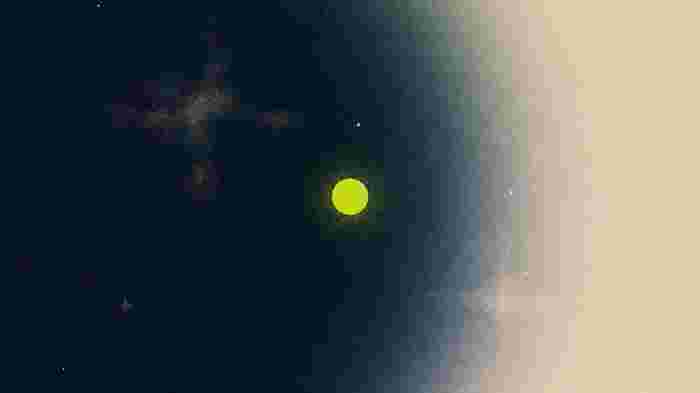
A new study suggests that our son may have swallowed a super -Earth planet a long time ago.
一项新研究表明,很久以前我们的太阳可能吞噬了一颗超级地球。
Wow, that sounds like a movie.
哇,听起来就像一部电影。
But wait, Daniel, before we get into the details, can you explain what a super -Earth is?
但是等等,丹尼尔,在我们深入细节之前,你能解释一下什么是超级地球吗?
I know what Earth is, but is a super -Earth just a bigger version?
我知道地球是什么,但超级地球只是一个更大版本的地球吗?
That is exactly right, Zoe.
完全正确,佐伊。
A super -Earth is a type of planet that is bigger than our Earth, but it is smaller than giant gas
超级地球是一种比我们地球大,但又比巨大的气体
planets like Neptune or Uranus.
行星(如海王星或天王星)要小的行星。
These planets are usually made of rock, just like Earth.
这些行星通常由岩石构成,就像地球一样。
Scientists have found many super -Earths in other solar systems.
科学家们在其他星系中发现了许多超级地球。
However, we do not have one in our own solar system.
然而,在我们自己的太阳系中却没有这样的行星。
Oh, I see.
哦,我明白了。
So our solar system doesn't have a super -Earth because our son ate it?
所以我们太阳系没有超级地球,是因为我们的太阳把它吃了?
Yes, that is what scientists now believe.
是的,这就是科学家们现在所认为的。
They looked at the chemical structure of the sun and found some unusual fingerprints.
他们研究了太阳的化学结构,发现了一些不寻常的指纹特征。
Wait, fingerprints?
等等,指纹?
How can a star have fingerprints?
一颗恒星怎么会有指纹?
Ah, it is a metaphor.
啊,这是一种隐喻。
By fingerprints, scientists mean the special pattern of chemicals inside the sun.
科学家所说的指纹,指的是太阳内部化学物质的特殊图案。
They study the light that comes from the sun.
他们研究来自太阳的光线。
Each chemical element, like iron or helium, makes a special color pattern in the light.
每种化学元素,比如铁或氦,都会在光线中产生特殊的颜色图案。
When scientists analyzed this light, they found that the outer layer of the sun has a lot of heavy,
当科学家分析这种光线时,他们发现太阳的外层含有大量的重型、
rocky materials.
岩石物质。
And those rocky materials shouldn't be there. Exactly.
而那些岩石物质本不该在那里。确实如此。
Usually, the sun is mostly made of light gases like hydrogen and helium.
通常情况下,太阳主要由像氢和氦这样的轻气体组成。
Having so many heavy materials on the outside suggests that the sun swallowed a large, rocky planet.
表面有如此多的重物质表明太阳曾经吞噬过一颗巨大的岩石行星。
This probably happened billions of years ago, when our solar system was very young and unstable.
这可能发生在数十亿年前,当时我们的太阳系还非常年轻且不稳定。
That is amazing.
那真是太神奇了。
It's like the sun had a giant, rocky lunch.
这就像太阳吃了一顿巨大的岩石午餐。
Should we be worried about our own Earth?
我们应该为我们自己的地球而担心吗?
Will the sun eat us, too?
太阳也会吃掉我们吗?
No, do not worry.
不,不用担心。
Our solar system is very stable now.
我们的太阳系现在非常稳定。
All the planets, including Earth, are in safe orbits.
包括地球在内的所有行星都在安全的轨道上。
This means we are far away from the sun and will not fall into it.
这意味着我们离太阳很远,不会坠入其中。
Whew, that is good news.
呼,那真是个好消息。
I prefer to keep my feet on safe ground.
我更倾向于踏踏实实踩在安全的地面上。
Me too, Zoe.
我也是,佐伊。
Now, let us bring our focus back to Earth.
现在,让我们把焦点拉回到地球上。
But let us travel far back in time.
但让我们在时间中穿越回很久以前。
We have some wonderful new discoveries about dinosaurs.
关于恐龙,我们有一些精彩的新发现。
Oh, I love dinosaur news.
噢,我喜欢恐龙的新闻。
What did the scientists find?
科学家发现了什么?
First, archaeologists in North Dakota have discovered the first -ever footprints of a running adult T. rex. Really?
首先,北达科他州的考古学家发现了有史以来第一批奔跑的成年霸王龙脚印。真的吗?
I thought we already had many T.
我以为我们已经有很多霸王龙的……
rex footprints.
……霸王龙脚印了。
Actually, finding adult T.
事实上,发现成年霸王龙的……
rex footprints is incredibly rare.
……霸王龙脚印是极其罕见的。
We have found many bones, but footprint pathways or trackways are very hard to find.
我们发现了许多骨头,但脚印路径或成排足迹却非常难找。
In 2025, a fossil hunter found four giant, three -toed prints in North Dakota, and scientists have
在2025年,一位化石猎人在北达科他州发现了四个巨大的三趾脚印,科学家们
just confirmed that they belong to an adult T. rex.
刚刚确认它们属于一只成年霸王龙。
That is incredible.
那真是不可思议。
And you said it was running?
而且你说它当时在奔跑?
How do they know that?
他们是怎么知道的?
They measured the distance between the footprints.
他们测量了脚印之间的距离。
The distance, which scientists call the stride, was about 13 feet.
这段距离被科学家称为步幅,大约有13英尺。
That's almost 4 meters.
那几乎有4米。
Wow, 13 feet between steps.
哇,每步之间隔了13英尺。
That's a very big jump.
这真是个非常大的跨度。
How did these footprints survive for millions of years anyway?
这些脚印究竟是怎么保存了数百万年的?
That is another amazing part of the story.
那是这个故事中另一个神奇的部分。
Millions of years ago, this T.
数百万年前,这只霸……
rex ran through wet mud.
……王龙跑过了湿润的泥浆。
Soon after, sand or dust covered the footprints quickly.
不久之后,沙子或灰尘迅速覆盖了这些脚印。
Over a very long time, the mud turned into hard rock.
经过漫长的岁月,泥浆变成了坚硬的岩石。
Today, wind and rain washed away the top layers of sand, and the footprints appeared again.
如今,风雨冲刷掉了顶层的沙子,脚印再次重现。
It's like a natural time capsule.
这就像是一个天然的时间胶囊。
Yes, exactly.
是的,完全正确。
Usually, a T.
通常,一只霸王龙
rex just walked slowly, at about 3 to 4 miles per hour.
只是缓慢地行走,速度大约是每小时 3 到 4 英里。
That's similar to a human walking speed.
这与人类的步行速度相似。
But this sequence of footprints shows that the T.
但这一序列的脚印表明霸王龙
rex was moving much faster.
移动得更快。
It was probably running after food.
它可能是在追逐食物。
Imagine seeing a giant T.
想象一下看到一只巨型霸王龙
rex running towards you with 13 footsteps.
伴随着 13 个脚印朝你奔跑而来。
That would be absolutely terrifying.
那绝对是极其可怕的。
It certainly would.
那当然会。
And that is not the only dinosaur news we have.
这并不是我们拥有的唯一的恐龙新闻。
Scientists also found fossilized eggs of some of the largest dinosaurs in a very unexpected place.
科学家们还在一个非常意想不到的地方发现了某些最大型恐龙的化石蛋。
Where did they find them?
他们是在哪里找到它们的?
They found them very north, where the weather was very cold millions of years ago. Really?
他们是在遥远的北方找到它们的,数百万年前那里的天气非常寒冷。真的吗?
I always thought dinosaurs lived in warm, tropical places.
我一直以为恐龙生活在温暖的热带地区。
How did they survive in the cold?
它们是如何在寒冷中生存下来的?
And how did they keep their eggs warm?
它们又是如何保持恐龙蛋温暖的呢?
That was the big question for scientists.
那正是科学家们面临的重大问题。
These giant dinosaurs, called sauropods, had a very clever strategy.
这些被称为蜥脚类动物的巨型恐龙有着非常聪明的策略。
They did not sit on their eggs like birds do, because they were too heavy and would crush them.
它们不像鸟类那样孵蛋,因为它们太重了,会压碎蛋。
Instead, they built nests using rotting plants.
相反,它们利用腐烂的植物建造巢穴。
Rotting plants?
腐烂的植物?
How does that work?
那是怎么起作用的?
Well, when leaves, grass, and woodrod, they create heat.
嗯,当树叶、干草和树木腐烂时,它们会产生热量。
Oh, I get it.
噢,我明白了。
It is like a compost pile in a garden.
这就像花园里的堆肥堆。
If you put your hand inside a pile of old grass, it feels very warm.
如果你把手伸进一堆旧草里,会感觉非常温暖。
Yes, that is a perfect example.
是的,这是一个完美的例子。
The warm, decaying plants acted like a natural heater.
温暖且腐烂中的植物就像一个天然加热器。
The dinosaurs buried their eggs under these plants to keep them warm and safe from the freezing cold air.
恐龙将蛋埋在这些植物下面,以保持温暖并免受严寒空气的伤害。
That is so smart.
那真是太聪明了。
Even though they had small brains, they knew how to use nature to protect their babies. Exactly.
尽管它们的脑容量很小,但它们知道如何利用大自然来保护自己的宝贝。确实如此。
It shows that dinosaurs were much more adaptable than we once thought.
这表明恐龙比我们曾经认为的要更有适应能力。
Yes, they were truly amazing creatures.
是的,它们真是令人惊叹的生物。
So, what is our next story, Daniel?
那么,丹尼尔,我们的下一个故事是什么?
Now, let us look at our neighboring planet, Mercury.
现在,让我们来看看我们的邻近行星——水星。
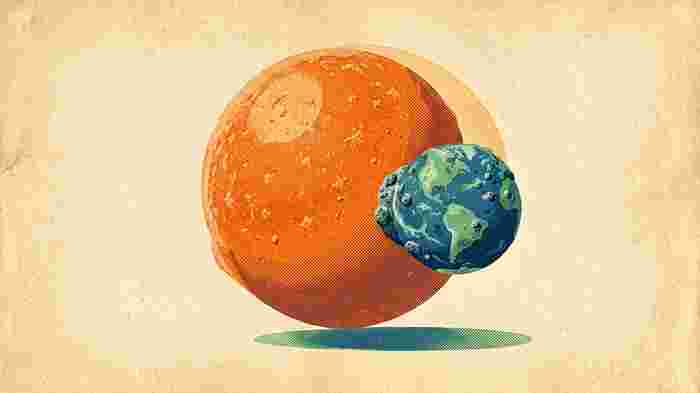
Scientists have discovered that Mercury is shrinking much more than they previously realized.
科学家们发现水星的收缩程度远超他们之前的认识。
Wait, a whole planet is getting smaller?
等等,整颗行星都在变小吗?
How is that possible?
这怎么可能呢?
It is because of what is happening inside the planet.
这是因为行星内部正在发生的事情。
Mercury has a very large iron core.
水星拥有一个非常大的铁核。
As the inside of the planet slowly cools down, the iron core contracts.
随着行星内部缓缓冷却,铁核会发生收缩。
Let me make sure I understand that word.
让我确认一下我理解了这个词。
Contract means to shrink or get smaller, right?
“Contract”的意思是收缩或变小,对吗?
Yes, that is correct.
是的,那是正确的。
When metal gets cooled, it contracts.
当金属受冷时,它就会收缩。
Think of a jar of jam.
想象一罐果酱。
If the lid is too tight, you can run hot water over it.
如果盖子太紧,你可以用热水冲洗它。
The heat makes the metal lid expand or get bigger, so it is easier to open.
热量会使金属盖膨胀或变大,从而更容易打开。
When things get cold, the opposite happens.
当物体变冷时,情况则完全相反。
They contract.
它们会收缩。
Ah, that makes sense.
啊,那很有道理。
So, as Mercury cools down, its core gets smaller, and the outer crust of the planet has to fit a
因此,随着水星冷却,它的核心变小,行星的外层地壳必须适应一个
smaller space. Exactly.
更小的空间。没错。
And because the crust is rocky, it cannot just shrink smoothly.
并且因为地壳是岩石构成的,它不能只是平滑地收缩。
Instead, it cracks and folds.
相反,它会开裂并褶皱。
This creates giant wrinkles on the surface of the planet.
这会在行星表面形成巨大的褶皱。
Scientists call these wrinkles cliffs.
科学家将这些褶皱称为悬崖。
So, it is like a fresh grape turning into a dry raisin? Yes!
所以,这就像新鲜葡萄变成干葡萄干一样吗?是的!
That is a wonderful metaphor.
那是一个绝妙的比喻。
As a grape dries out, it loses volume, and its skin gets very wrinkly.
随着葡萄变干,它会失去体积,皮肤也会变得皱巴巴的。
Mercury is doing the same thing as it loses heat.
水星在散发热量时也在做同样的事情。
That is a great picture in my mind.
我脑海里浮现出一个绝妙的画面。
But is this still happening now?
但这现在还在发生吗?
Yes, it is.
是的,正是如此。
Scientists looked at new data from space probes.
科学家们研究了来自空间探测器的新数据。
Space probes are small, unmanned spacecraft that we send to other planets to take pictures and
空间探测器是我们发送到其他行星以拍摄照片和无人驾驶的小型航天器,
collect information.
收集信息。
These probes showed that many of the cliffs have very fresh cracks.
这些探测器表明,许多悬崖上有着非常新鲜的裂缝。
This means the ground is still moving and the planet is still shrinking today, much faster than we
这意味着地面仍处于变动中,如今这颗行星仍在收缩,速度比我们
thought before.
以往设想的要快得多。
Wow, space is so dynamic.
哇,太空真是如此充满动态。
Even the planets are constantly changing.
甚至连行星也在不断地发生变化。
They certainly are.
它们确实如此。
And speaking of change, let us look at how our future in space might change.
说到变化,让我们看看我们在太空中的未来可能会如何改变。
We have a story about building houses on Mars.
我们有一个关于在火星上建造房屋的故事。
Oh, are we finally going to build cities on the red planet?
哦,我们终于要在这颗红色星球上建造城市了吗?
Scientists are working on it, but they have a very strange idea for the building materials.
科学家们正在致力于研究,但他们对建筑材料有一个非常奇特的想法。
They say Mars astronauts could live in houses made of yeast and gelatin.
他们说火星宇航员可以住在由酵母和明胶制成的房子里。
Yeast and gelatin?
酵母和明胶?
Are you sure, Daniel?
你确定吗,丹尼尔?
That sounds like a recipe for a cake, not a house.
这听起来像是做蛋糕的食谱,而不是盖房子。
Why would we use those?
我们为什么要使用那些?
It all comes down to weight.
这归根结底都是因为重量。
Sending things into space is extremely expensive.
将物品送入太空是极其昂贵的。
Every kilogram of weight requires a lot of fuel to launch.
每公斤的重量都需要大量的燃料来进行发射。
If we try to send heavy bricks, steel, or concrete from Earth to Mars, it will cost billions of dollars.
如果我们尝试将沉重的砖块、钢材或混凝土从地球运送到火星,那将花费数十亿美元。
I see.
我明白了。
So we need to find materials that are very light to carry. Exactly.
所以我们需要找到非常轻巧、便于携带的材料。确切地说。
Yeast and gelatin are very light and take up very little space.
酵母和明胶非常轻,占用的空间极小。
Scientists plan to use 3D printers on Mars.
科学家们计划在火星上使用3D打印机。
They will mix freeze -dried yeast and gelatin with Martian dust and water.
他们将把冻干酵母和明胶与火星尘埃和水混合。
This creates a special biomaterial. Biomaterial.
这就创造出一种特殊的生物材料。生物材料。
That is a big word.
那可真是个大词。
Can you explain what it means?
你能解释一下它的意思吗?
Of course.
当然可以。
A biomaterial is any material that is made with the help of living things, like plants, bacteria, or yeast.
生物材料是指借助生物(如植物、细菌或酵母)制作出的任何材料。
In this case, the yeast acts like a strong natural glue.
在这种情况下,酵母的作用就像强力的天然胶水。
When the mixture dries, it becomes as hard and strong as a concrete block.
当这种混合物变干时,它会变得像混凝土块一样坚硬而强固。
That is amazing.
那真是太神奇了。
So instead of carrying heavy bricks to Mars, astronauts can just carry bags of yeast and gelatin,
所以宇航员不必携带笨重的砖块前往火星,只需带上一袋袋酵母和明胶,
mix them with Mars dirt, and print their own houses.
将它们与火星土壤混合,就可以打印出自己的房子。
Yes, that is the plan.
是的,这就是计划。
It is a very clever way to build a home on another planet.
这是在另一个星球上建造家园的一种非常聪明的方法。
I just hope the houses don't smell like fresh bread all the time.
我只是希望这些房子不要一直闻起来像新鲜的面包。
Actually, that might be quite nice.
实际上,那可能挺不错的。
Yes, a house that smells like freshly baked bread sounds wonderful. Indeed.
是的,一间闻起来像刚烘焙好的面包的房子听起来棒极了。确实如此。
Well, those are some really fascinating stories today, Daniel.
嗯,丹尼尔,今天这些真的是非常引人入胜的故事。
We learned about the sun swallowing a planet, running T -Rexes, shrinking Mercury, and yeast houses
我们了解到太阳吞噬行星、奔跑的霸王龙、缩小的水星以及酵母房屋
on Mars.
在火星上。
Yes, science is full of surprises.
是的,科学充满了惊喜。
And that brings us to the end of our new stories for today.
这也带我们来到了今天新故事的尾声。
But we have a question for our listeners today.
但今天我们给听众朋友们准备了一个问题。
If you had the chance to go to Mars, would you want to live in a house made of yeast and gelatin?
如果你有机会去火星,你想住在由酵母和明胶建造的房子里吗?
Or do you think it is a bad idea?
还是你认为这是一个坏主意?
Please let us know your thoughts.
请让我们知道你的想法。
You can write your answers in the comments section, or check out what other listeners are saying there.
你可以在评论区写下你的答案,或者看看其他听众在那里说了些什么。
We always love to hear your opinions.
我们总是很乐意倾听你的意见。
We also want to thank all of our amazing TalkCast members and subscribers.
我们还要感谢我们所有棒极了的TalkCast会员和订阅者。
Thank you so much for your support, your feedback, and for sharing our show with others.
非常感谢大家的支持、反馈,以及将我们的节目分享给其他人。
Remember, you can find the full English text and the audio of this episode on our website at www
请记住,您可以在我们的网站www上找到本期节目的完整英文文本和音频
.talkcast .top.
.talkcast.top。
You can also follow our official WeChat account, which is also called TalkCast.
您也可以关注我们的官方微信公众号,也叫 TalkCast。
We upload our scripts and audio there regularly.
我们会定期在那里上传我们的文稿和音频。
Thank you again for listening to TalkCast this morning.
再次感谢您今天早晨收听 TalkCast。
Have a wonderful day ahead.
祝您接下来拥有美好的一天。
Yes, have a great day everyone. Goodbye. Goodbye.
是的,祝大家拥有美好的一天。再见。再见。