Interactive transcript · 230 lines
Good morning, everyone.
大家早上好。
Welcome to TalkCast, your daily digest of the most fascinating news from around the world, tailored
欢迎收听 TalkCast,为您带来每日来自世界各地最引人入胜的新闻摘要,量身定制
specifically for English learners.
专门供英语学习者使用。
I am Lucas.
我是卢卡斯。
And I'm Chloe.
我是克洛伊。
It is great to be back with you on this beautiful morning of September the 18th, 2026.
在这个2026年9月18日美好的早晨,非常高兴能再次与大家聚在一起。
Before we dive into today's mind -blowing stories, we have a quick announcement for our listeners.
在我们深入今天令人惊叹的故事之前,我们为听众准备了一个简短的通知。
That is right.
一点没错。
The TalkCast website has just been updated with our brand new audio and text compilation downloads.
TalkCast 网站刚刚更新了我们全新的音频和文本汇编下载。
If you want to study with our transcripts or listen offline, head over to www .talkcast .top to check
如果您想结合我们的逐字稿学习或离线收听,请前往 www.talkcast.top 查看
them out. Awesome.
它们。太棒了。
It is a fantastic resource for practicing your listening and reading at the same time.
这是同时练习听力和阅读的绝佳资源。
Now, Lucas, what do we have on the menu today?
那么,卢卡斯,我们今天的菜单上有哪些内容呢?
I heard we are starting with some giant ancient creatures.
我听说我们要从一些巨大的远古生物开始。
Yes, indeed.
是的,确实如此。
Today, we are traveling across space and time.
今天,我们将穿越时空。
We will start with a groundbreaking discovery about the most famous dinosaur of all, the
我们将从一项关于最著名恐龙的突破性发现开始,那就是
Tyrannosaurus rex.
霸王龙。
Then we'll head deep into our solar system to solve the mystery of why Venus does not have a moon.
然后我们将深入太阳系,解开金星为什么没有卫星的谜团。
A planet without a moon?
一颗没有卫星的行星?
That sounds lonely.
听起来很孤独。
What else do we have?
我们还有什么内容?
After that, we'll discuss a revolutionary artificial intelligence tool from Stanford that is turning
在那之后,我们将讨论来自斯坦福大学的一种革命性人工智能工具,它正在将
static scientific papers into interactive collaborators.
静态的科学论文转化为可互动的合作者。
And finally, we'll wrap up with a highly unusual NASA -backed experiment that turns plastic waste
最后,我们将以一项由 NASA 支持的极不寻常的实验收尾,该实验将塑料垃圾
into edible vanilla -flavored puppies.
变成可食用的香草味小狗造型甜点。
A cookie made of plastic?
用塑料做的饼干?
That sounds like something I would definitely avoid.
听起来像是我绝对会避开的东西。
But I am very curious to hear how scientists managed to pull that off.
但我非常好奇想听听科学家们是如何做到这一点的。
Let us get started with our big headline of the day.
让我们从今天的重磅头条开始吧。
Let us travel back 66 million years.
让我们回到6600万年前。
For a very long time, paleontologists have debated a fundamental question.
长期以来,古生物学家们一直在争论一个根本性的问题。
Was the Tyrannosaurus rex cold -blooded like modern reptiles?
霸王龙是像现代爬行动物一样的冷血动物吗?
Or warm -blooded like birds and mammals?
还是像鸟类和哺乳动物一样的温血动物?
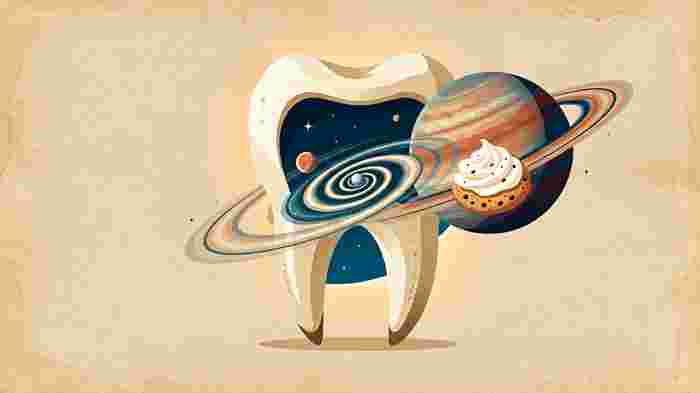
A major new study analyzing fossilized dinosaur teeth has finally given us a definitive answer.
一项分析恐龙化石牙齿的全新重大研究终于给出了确凿的答案。
The T -Rex was warm -blooded. Wow!
霸王龙是温血的。哇!
That is a massive discovery.
那可是一个巨大的发现。
I always pictured the T -Rex as a giant cold -blooded lizard that had to sit in the sun to warm up
我过去一直把霸王龙想象成一只巨大的冷血蜥蜴,必须晒太阳取暖
before going on a hunt.
然后才去捕猎。
So they were actually more like mammals in terms of their body heat? Exactly.
所以就体温而言,它们实际上更像哺乳动物?确实如此。
The research team analyzed the chemical composition of fossilized teeth from various T -Rex specimens.
研究小组分析了来自各种霸王龙标本化石牙齿的化学成分。
They discovered that the average body temperature of a T -Rex was approximately 97 degrees Fahrenheit.
他们发现霸王龙的平均体温大约是华氏97度。
To put that in perspective, that's almost identical to the average human body temperature.
从对比视角来看,这几乎与人类的平均体温完全相同。
97 degrees?
97度?
That is incredible.
这真是难以置信。
They were basically walking around with the same internal thermostat as us?
它们基本上带着和我们一样的体内恒温器四处活动?
But Lucas, how is it even possible to measure the body temperature of an animal that died millions
但是卢卡斯,怎么可能去测量一种死于数百万
of years ago?
年前的动物的体温?
Did they find a fossilized thermometer?
难道他们找到了化石温度计?
Not quite, though that would be convenient.
不完全是,尽管那会很方便。
They used a highly sophisticated laboratory technique known as clumped isotope paleothermometry.
他们使用了一种高度尖端的实验室技术,称为累加同位素古温测量法。
Okay, Lucas, you know I love science, but clumped isotope paleothermometry sounds like a magic spell.
好吧,卢卡斯,你知道我喜欢科学,但累加同位素古温测量法听起来就像个魔咒。
Can you break that down and explain it in a simpler way for our listeners?
你能为我们的听众做个分解,用更简单的方式解释一下吗?
Of course.
当然了。
Let's make it simple.
我们把它变简单点。
Think of isotopes as different versions of the same chemical element.
可以把同位素想象成同一种化学元素的不同版本。
Some are heavier and some are lighter.
有些更重,有些更轻。
In a warm environment, heavy carbon and oxygen atoms spread out randomly.
在温暖的环境中,重碳和重氧原子会随机分散开来。
But in a cooler environment, they tend to clump together into specific bonds.
但在较冷的环境中,它们倾向于聚集在一起形成特定的化学键。
Ah, so when the dinosaur's teeth grow, they lock those chemical bonds in place. Exactly.
啊,所以当恐龙的牙齿生长时,它们就把这些化学键固定下来了。确切地说。
By measuring exactly how much these heavy isotopes clumped together in the fossilized enamel,
通过精准测量化石牙釉质中这些重同位素聚集的数量,
scientists can reconstruct the exact temperature at which the teeth formed.
科学家就能还原出牙齿形成时的精确温度。
That makes perfect sense.
这说得完全有道理。
So the isotopes in the teeth act like a chemical diary, recording the temperature of the dinosaur's
所以牙齿里的同位素就像一本化学日记,记录着恐龙的
body at that exact moment in history.
身体在历史上的那个确切时刻的体温。
That is brilliant.
那太绝妙了。
It really is.
确实如此。
And the dinosaur surprises do not stop there.
恐龙带来的惊喜还不止于此。
We also have reports of a high school science teacher in North Dakota who made an extraordinary
我们还收到报告称,北达科他州的一位高中科学老师做出了一个非凡的
discovery—rare T.
发现——罕见的暴龙(T.
rex footprints.
rex)足迹。
Wait, footprints?
等等,足迹?
I thought we only found dinosaur bones.
我以为我们只发现过恐龙骨骼。
Footprints must be even harder to preserve.
足迹一定更难保存下来。
They are extremely rare.
它们极其罕见。
This high school teacher was exploring a fossil -rich area when he spotted a series of large,
这位高中老师在考察一个化石丰富的区域时,发现了一系列巨大的、
distinct indentations in the rock.
岩石上清晰的压痕。
Experts later confirmed they were indeed T.
专家后来确认它们确实是暴龙(T.
rex trackways from the late Cretaceous period.
rex)晚白垩纪的足迹串。
That must have been a pivotal moment for him.
那对他来说一定是个关键时刻。
Why is finding footprints such a big deal for scientists?
为什么发现足迹对科学家来说是一件大事?
Because footprints reveal information that bones cannot.
因为足迹能揭示骨骼无法呈现的信息。
They show us the dinosaur's walking speed, its posture, and how it moved across the ancient landscape.
它们向我们展示了恐龙的步行速度、姿态以及它如何在古老的陆地上移动。
It provides a dynamic look at their behavior.
这为研究它们的行为提供了动态视角。
I would love to see those footprints.
我很想去看看那些足迹。
Just imagining standing in the exact spot where a T.
只要想象一下站在一只暴龙(T.
rex took a stroll 66 million years ago gives me goosebumps.
rex)在6600万年前散步的确切地点,就让我起鸡皮疙瘩。
It truly does.
确实如此。
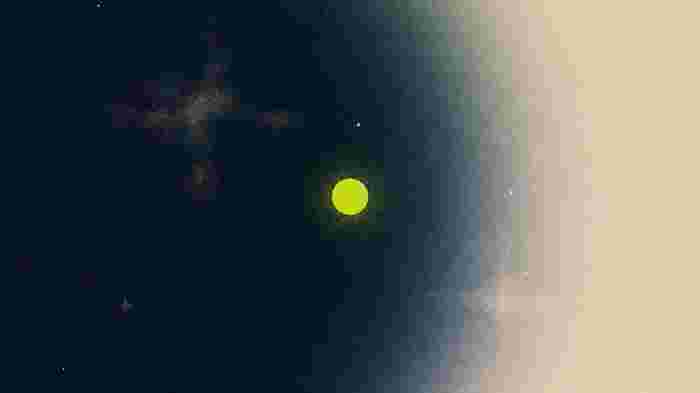
Now, let us leave Earth behind and look at another intriguing mystery, this time in our planetary neighborhood.
现在,让我们离开地球,看看另一个引人入胜的谜团,这次是在我们的行星邻域。
Our deep dive today centers on Venus, a planet often called Earth's twin.
我们今天的深度探讨聚焦于金星,一颗经常被称为地球孪生姐妹的行星。
Yet, it is vastly different.
然而,它有着巨大的不同。
One of its most noticeable differences is that Venus has absolutely no moons.
它最显而易见的不同之处之一就是金星绝对没有卫星。
However, a new simulation study suggests that Venus may have once had a moon, but eventually
然而,一项新的模拟研究表明,金星可能曾经拥有过一颗卫星,但最终
swallowed it.
吞噬了它。
Swallowed its own moon?
吞噬了自己的卫星?
That sounds like a tragic cosmic accident.
这听起来像是一场悲惨的宇宙事故。
How does a planet end up consuming its companion?
一颗行星最终是如何吞噬它的伴星的?
It all comes down to gravity and a slow spin.
这完全归因于引力和缓慢的自转。
Most planets in our solar system have moons.
我们太阳系中的大多数行星都有卫星。
Earth has one, Mars has two, and giant planets like Jupiter have dozens.
地球有一颗,火星有两颗,而像木星这样的巨型行星则有几十个。
But Venus is completely alone.
但金星是完全孤独的。
According to the latest computer models, Venus likely had a moon early in its history, possibly
根据最新的计算机模型,金星在其早期历史中可能拥有一颗卫星,可能
created by a massive collision.
是由一次巨大的碰撞形成的。
So, what went wrong?
那么,究竟出什么问题了?
Why did it not stay in orbit like our moon?
为什么它不能像我们的月球一样保持在轨道上呢?
Unlike Earth, Venus rotates extremely slowly, and it rotates in the opposite direction of most planets.
与地球不同,金星自转极慢,而且它的自转方向与大多数行星相反。
This slow rotation had a devastating effect on its moon's orbit.
这种缓慢的自转对其卫星的轨道产生了毁灭性的影响。
So, how did the slow rotation cause the moon to crash?
那么,缓慢的自转是如何导致卫星坠毁的呢?
Is it related to tidal forces?
这与潮汐力有关吗?
Yes, exactly.
是的,确切地说就是这样。
The gravitational interaction between a planet and its moon, creates tidal bulges on the planet.
行星与其卫星之间的引力相互作用,会在行星上产生潮汐隆起。
On Earth, because our planet rotates faster than the moon orbits, our tidal bulge actually pulls the
在地球上,由于我们行星的自转速度快于月球的公转速度,我们的潮汐隆起实际上拉动着
moon forward, slowly pushing it away from us.
月球向前,缓慢地将其推离我们。
But on Venus, because the planet's rotation is so slow, the tidal bulge lived behind the moon.
但在金星上,由于行星的自转太慢,潮汐隆起落在了月球后面。
Ah, I see.
啊,我明白了。
So instead of being pushed away, the Venusian moon was constantly being pulled closer.
因此,金星的卫星非但没有被推远,反而不断被拉近。
It was like a cosmic break slowing it down. Precisely.
这就像是一个宇宙刹车在让它减速。确实如此。
It spiraled inward toward the planet until it crossed a critical threshold called the Roche limit.
它向内盘旋朝行星靠近,直到跨越了一个被称为洛希极限的关键阈值。
The Roche limit?
洛希极限?
That is another term we should explain.
那是另一个我们应该解释的术语。
What exactly is that?
那究竟是什么?
Think of the Roche limit as a gravitational tearing point.
把洛希极限想象成一个引力撕裂点。
It is the minimum distance a moon can get to a planet before the planet's gravity is stronger than
这是卫星靠近行星的最小距离,超过这个距离,行星的引力就会强于
the gravity holding the moon itself together.
保持卫星自身凝聚的重力。
Once the moon crossed this limit, Venus's gravity literally ripped it apart.
一旦卫星跨越这个极限,金星的引力简直把它撕碎了。
Oh, wow.
哦,哇。
It is like putting the moon into a giant gravitational blender.
这就像是把月球放进了一个巨大的引力搅拌机里。
The pieces must have formed a ring before falling onto the planet. Exactly.
那些碎片在落入行星之前一定形成了一个环。没错。
All that debris eventually rained down onto Venus, being absorbed into its surface.
所有那些碎片最终如雨点般落到金星上,被其表面吸收。
The simulations suggest this entire process of destruction and absorption could have happened in
计算机模拟表明,这整个毁灭和吸收的过程可能发生在
just 30 million years.
仅仅3000万年里。
In astronomical terms, that's a mere blink of an eye.
从天文学角度来看,那只不过是一眨眼的工夫。
That is fascinating.
那太令人着迷了。
Venus literally ate its companion.
金星简直吃掉了它的伴星。
No wonder it is such a dramatic and hostile place today.
难怪它今天是一个如此戏剧化且恶劣的地方。
It certainly is.
它确实是。
Now, let us bring our focus back to technology on Earth, specifically in the field of artificial intelligence.
现在,让我们把焦点带回地球上的技术,具体地说是人工智能领域。
Researchers at Stanford University have just released a tool that could fundamentally change how we
斯坦福大学的研究人员刚刚发布了一个工具,该工具可以根本上改变我们
do scientific research.
进行科学的研究的方式。
It's called Paper to Agent.
它被称为 Paper to Agent(论文转智能体)。
That's an interesting name.
那是个有趣的名字。
What does Paper to Agent actually do?
Paper to Agent 实际上是做什么的?
Essentially, it takes a traditional, static scientific research paper and transforms it into an
本质上,它将传统、静态的科研论文转化为一个
active, interactive AI agent.
动态的、交互式的 AI 智能体。
Wait, an agent -agent?
等等,一个智能体-智能体?
Is it like a digital person that represents the research?
它就像是一个代表该研究的数字人吗?
Yes, in a way.
是的,在某种程度上是这样。
Traditional scientific papers are published as PDF files, which are incredibly dense and difficult
传统的科学论文以 PDF 文件形式发表,这些文件极其晦涩难懂且困难
to read.
去阅读。
Paper to Agent uses advanced large language models to analyze the entire paper, including its data,
Paper to Agent 使用先进的大语言模型来分析整篇论文,包括其数据,
code, and conclusions.
代码和结论。
It then creates an interactive agent that can act on behalf of that paper.
然后,它会创建一个可以代表该论文进行操作的交互式智能体。
That is a total game -changer.
这完全是一个颠覆性的改变。
So instead of spending hours struggling to understand a complex chart, I can just ask the paper's
因此,与其花几个小时费力去理解一张复杂的图表,我不如直接询问论文的
agent to explain it to me in simple terms? Precisely.
智能体用简单的语言向我解释?正是如此。
You can ask it complex questions about its methods and even ask it to apply its findings to a
你可以向它提出关于其方法的复杂问题,甚至让它将其研究结果应用到
completely new set of data.
完全全新的数据集中。
That's incredible.
那太不可思议了。
It's like turning a library into a lively coffee shop where books are actually discussing ideas with
这就像把图书馆变成一个热闹的咖啡馆,那里的书本实际上正在互相讨论观点
each other.
彼此互相。
This must be an incredible boost for scientific productivity.
这无疑会极大促进科学生产力。
It really is.
它确实是这样。
It allows researchers to reproduce results instantly and find hidden connections across different
它允许研究人员立即复现结果,并跨越不同
fields of study.
研究领域寻找隐藏的联系。
It's a major step forward for the open science movement.
这是开放科学运动向前迈出的重要一步。
I love that.
我喜欢这一点。
It makes knowledge so much more accessible.
它让知识变得更加易于获取。
Speaking of making things, our last story today is definitely the most unusual one.
说到制作东西,我们今天的最后一个故事绝对是最不寻常的一个。
I heard it involves NASA, recycling, and breakfast?
我听说它涉及 NASA、回收利用和早餐?
Yes, you heard that correctly.
是的,你听得非常准确。
In a bid to solve one of the biggest challenges of deep space travel, NASA -backed scientists have
为了解决深空旅行的最大挑战之一,受 NASA 资助的科学家们
successfully developed a method to turn plastic waste into edible cookies.
成功开发出一种将塑料废弃物转化为可食用的饼干的方法。
Okay, Lucas, you have to explain this because to me, eating plastic sounds like a direct trip to the hospital.
好吧,卢卡斯,你得解释一下,因为对我来说,吃塑料听起来就像是直接送进医院。
How can anyone safely eat a plastic bottle?
怎么会有人能安全地吃塑料瓶?
I completely understand your skepticism, but it is all thanks to the magic of synthetic biology.
我完全理解你的怀疑,但这完全归功于合成生物学的神奇力量。
Scientists have engineered a specific strain of yeast similar to the baker's yeast used to make bread.
科学家们基因改造出一种特定的酵母菌株,类似于用于做面包的酵母。
This yeast is designed to eat polyethylene terephthalate, or PET, which is the type of plastic used
这种酵母被设计用来吃聚乙烯对苯二甲酸酯(即 PET),这是使用的塑料类型
to make water bottles.
用来制作水瓶。
Wait, so the yeast eats the plastic?
等等,所以酵母吃塑料?
What happens to the toxic components?
那些有毒的成分会怎样?
The yeast digests the plastic, breaking down its chemical chains, and uses the carbon to produce
酵母消化塑料,分解其化学链,并利用碳来产生
proteins and fats.
蛋白质和脂肪。
The resulting substance is a highly nutritious, protein -rich powder.
最终得到的物质是一种高度有营养的、富含蛋白质的粉末。
There are no microplastics or toxic chemicals left.
没有任何微塑料或有毒化学物质残留。
It is completely organic matter.
它完全是有机物质。
So they take this protein powder and bake it into cookies? Exactly.
所以他们把这种蛋白质粉做成饼干?正是如此。
They mixed it with standard ingredients and added a vanilla flavor to make them taste good.
他们将其与标准原料混合,并添加香草风味使其味道变好。
They call them microbytes.
他们称之为“微字节”。
Vanilla -flavored plastic cookies.
香草风味的塑料饼干。
That is wild.
那太离奇了。
Why is NASA funding this kind of research?
为什么 NASA 要资助这类研究?
Because of the immense challenges of long -distance space missions, like traveling to Mars.
因为长距离太空任务(比如飞往火星)面临着巨大的挑战。
Carrying enough food for a multi -year journey is incredibly heavy and expensive.
为长达多年的旅途携带足够的食物是极其沉重和昂贵的。
If astronauts can recycle their empty plastic containers into fresh nutritious snacks, it solves
如果宇航员能将空的塑料容器回收制作成新鲜有营养的零食,就能解决
both waste management and food supply problems.
废弃物管理和食品供应两个问题。
That makes perfect sense.
那完全说得通。
It is the ultimate form of recycling.
这是回收利用的终极形式。
Although, I must say, I am glad I am still on Earth where I can get my cookies from a bakery instead
不过,我必须说,我很庆幸自己还在地球上,可以从面包店买到饼干,而不是
of a recycling bin.
从回收桶里获取。
Indeed, Chloe.
确实如此,克洛伊。
For now, we can enjoy our traditional breakfast.
目前,我们可以享用我们传统的早餐。
But who knows?
但谁知道呢?
In 10 or 20 years, this technology might help solve food shortages right here on Earth as well.
在10年或20年后,这项技术可能也有助于解决地球上的粮食短缺问题。
That is a very good point.
这是一个非常好的观点。
It is a highly sustainable technology with huge potential.
这是一项具有巨大潜力的高度可持续技术。
And on that note of scientific wonder, we come to the end of today's episode of TalkCast.
在科学奇观的余音中,我们来到了今天这期 TalkCast 的尾声。
We covered some truly mind -blowing topics today, from warm -blooded dinosaurs to planets swallowing
今天我们涵盖了一些真正令人震撼的话题,从温血恐龙到正在吞噬……的行星
moons, interactive research papers, and plastic cookies.
……卫星、交互式研究论文和塑料饼干。
Before we say goodbye, we want to leave our listeners with a fun question to think about.
在道别之前,我们想给我们的听众留下一个有趣的问题去思考。
If you were an astronaut on a mission to Mars, would you be willing to eat a cookie made from
如果你是一名前往火星执行任务的宇航员,你是否愿意吃一块由……制成的饼干
recycled plastic bottles?
回收利用的塑料瓶?
Why or why not?
为什么愿意,或者为什么不愿意?
Oh, that is a great question.
噢,那真是个棒极了的问题。
Listeners, please write down your answers in the comment section below.
听众朋友们,请在下方评论区写下你们的答案。
Or take a look at what others are saying.
或者看看其他人 me怎么说的。
It is always fascinating to read your diverse perspectives.
阅读大家多元的观点总是让人感到十分有趣。
We also want to say a huge thank you to all of our incredible listeners.
我们还要向所有出色的听众致以衷心的感谢。
If you enjoy our show, please consider subscribing, sharing it with your friends, and leaving us a
如果你喜欢我们的节目,请考虑订阅、分享给你的朋友,并给我们
positive review.
写下一个积极的评价。
Your feedback and support mean the world to us.
您的反馈和支持对我们来说至关重要。
And if you want to support us further, don't forget to join our TalkCast VIP membership for
如果你想进一步支持我们,别忘了加入我们的 TalkCast VIP 会员,以获取
exclusive content.
独家内容。
A final reminder, the full transcripts and audio files for this and other episodes are regularly
最后提醒一下,本期及其他各期的完整逐字稿和音频文件会定期
published on our website at www .talkcast .top, and on our official WeChat public account, which is
发布在我们的网站 www.talkcast.top 以及我们的微信官方公众号上,公众号
also called TalkCast.
名字也叫 TalkCast。
Please head over there if you need them for your English studies.
如果你在英语学习中需要它们,请前往查阅。
Thank you so much for joining us this morning.
非常感谢今天早晨加入我们。
Keep learning, keep staying curious, and we will see you next time on TalkCast.
保持学习,保持好奇,我们下期 TalkCast 再见。
Have a fantastic day, everyone.
祝大家度过美妙的一天。
Bye -bye. Goodbye.
拜拜。再见。