Interactive transcript · 180 lines
Good morning, science lovers!
早上好,科学爱好者们!
Welcome to TalkCast, your daily dose of the most fascinating news from around the globe.
欢迎收听 TalkCast,为您带来全球最迷人的每日新闻资讯。
I am Alexander, broadcasting live on this beautiful morning of September 23, 2026.
我是亚历山大,在 2026 年 9 月 23 日这个美好的清晨为您现场广播。
And morning to you all.
大家早安。
I am Sophia.
我是索菲娅。
We have an absolutely packed show for you today.
我们今天为您准备了一期内容极其丰富的节目。
From the frozen landscapes of our own planet to the dusty surface of the moon, we are going to
从我们星球冰封的地貌到月球布满灰尘的表面,我们将
explore some mind -blowing scientific discoveries.
探索一些令人震撼的科学发现。
That is right, Sophia.
一点没错,索菲娅。
Today, we have a lineup that sounds like it was taken straight out of a science fiction novel.
今天,我们安排了一套听起来像是直接出自科幻小说的节目阵容。
We are talking about a brand new penguin species, a sudden cosmic impact on the moon, the surprising
我们将探讨一个全新的企鹅物种、月球上突发的宇宙撞击,以及令人惊讶的
truth about how warm a T -Rex actually was, and some tiny beach residents that are shaking up the
关于霸王龙真实体温的真相,以及一些正在震撼当地的小小居民,它们就在
California coast.
加利福尼亚海岸。
A new penguin species?
全新的企鹅物种?
Now that is a headline I did not expect to hear.
这可真是我没料到会听到的头条新闻。
I thought we had mapped out every single type of penguin on Earth by now.
我还以为到现在为止,我们已经测绘出了地球上每一种企鹅的图谱呢。
You are not alone in thinking that, Sophia.
索菲娅,这么想的不止你一个人。
In fact, this is the very first time in more than 100 years that scientists have discovered a new
事实上,这是 100 多年来科学家们第一次发现新的
penguin species.
企鹅物种。
For a long time, these penguins were hidden in plain sight.
很长一段时间里,这些企鹅其实一直隐藏在人们眼皮底下。
Hidden in plain sight?
隐藏在显眼的视线中?
How does a whole species of penguin hide from us?
一整种企鹅是怎么向我们隐匿踪迹的?
Do they wear camouflage instead of their usual black and white tuxedos?
难道它们穿着伪装服,而不是平时穿的黑白燕尾服?
Not quite.
不完全是那样。
They still look like they are dressed for a fancy dinner.
它们看起来依然像是穿着出席高级晚宴的礼服。
The secret lies in their genetics.
秘密在于它们的遗传特征。
For decades, scientists assumed these penguins belonged to an already known species because they
几十年来,科学家们一直假定这些企鹅属于已知物种,因为它们
look extremely similar on the outside.
外表看起来极其相似。
However, by using advanced genetic testing and analyzing physical measurements, researchers realized
然而,通过使用先进的基因检测和分析身体测量数据,研究人员意识到
that this population is genetically distinct.
该种群在遗传学上是独特的。
This is what scientists call a cryptic species.
这就是科学家们所说的隐蔽物种。
Ah, cryptic species.
啊,隐蔽物种。
That is a great term.
那真是个好术语。
So, a cryptic species refers to animals that look almost identical to another species, but their DNA
这么说,隐蔽物种指的是外表与其他物种几乎完全相同,但 DNA
shows they are completely different under the hood, right? Exactly.
显示内部完全不同,对吧?一点没错。
It's like looking at two identical cars, but when you open the hood, one has an electric motor and
这就像看着两辆一模一样的汽车,但当你打开引擎盖时,一辆装有电动机,而
the other runs on gas.
另一辆靠燃油行驶。
In this case, the genetic differences are significant enough to classify them as a unique species.
在这种情况下,基因差异显著到足以将它们归类为一个独特的物种。
This discovery reminds us that even on a fully explored planet, nature still holds secrets that are
这项发现提醒我们,即使在一个被充分探索过的星球上,自然界依然保有许多
waiting to be unlocked by modern technology.
等待被现代技术解开的秘密。
That is incredible.
那真是太难以置信了。
It makes you wonder what other animals we might be misidentifying just because they look alike.
这让人不禁思考,还有哪些动物仅仅因为外观相似而被我们误认了。
But speaking of things that are hard to find, let us lift our eyes to the sky.
不过说到难以寻找的事物,让我们抬眼望向天空。
I heard there's some big news from our nearest celestial neighbor, the moon.
我听说我们最近的天体邻居月球带来了一些重磅新闻。
Indeed, Sophia.
确实如此,索菲娅。
NASA's Lunar Reconnaisant Orbiter has captured images of a brand new, massive crater on the lunar surface.
美国国家航空航天局的月球勘测轨道飞行器拍摄到了月球表面一个全新的巨大陨石坑的图像。
Scientists are calling this a once -in -a -century event because of how fresh and prominent the impact
科学家们称这是一百年一遇的事件,因为撞击迹象是如此新鲜和显著,
site is.
就撞击地点而言。
A new crater?
一个新的陨石坑?
That means something big must have slammed into the moon recently.
这意味着最近一定有什么庞然大物猛烈撞击了月球。
Do we know what caused it and how big the crater actually is?
我们知道是什么造成了它,以及这个陨石坑实际上有多大吗?
Yes, it was caused by a meteoroid impact.
是的,它是由流星体撞击造成的。
The crater is quite large, and because the moon has no atmosphere, the impact left a bright, clean
这个陨石坑相当大,而且由于月球没有大气层,撞击留下了一个明亮、洁净的
scar that stands out beautifully against the older, darker lunar dust.
痕迹,在更古老、更暗的月尘映衬下显得格外美丽。
What makes this so exciting is that we rarely get to see an impact of this scale happen in real -time history.
令人兴奋的是,我们在实时历史中很少能看到这种规模的撞击。
That is wild.
那太疯狂了。
But, Alexander, this makes me think about the future.
但是,亚历山大,这让我想到了未来。
If we are planning to build bases on the moon, or even cities as some people dream, isn't a giant
如果我们计划在月球上建设基地,甚至像有些人梦想的那样建设城市,难道一个巨大的
meteoroid impact a bit of a safety hazard?
流星体撞击不是一个安全隐患吗?
I mean, if a space rock can just punch a massive hole in the ground out of nowhere, that sounds terrifying.
我的意思是,如果一块太空岩石凭空在地面上打出一个巨大的洞,听起来挺吓人的。
You have hit on a very serious debate in the scientific community, Sophia.
索菲娅,你触及了科学界一个非常严肃的争论。
This new crater is a reminder that the moon is constantly exposed to space debris.
这个新陨石坑提醒我们,月球经常暴露在太空碎片中。
On Earth, our atmosphere acts like a shield.
在地球上,我们的大气层就像一个屏障。
Most space rocks burn up before they ever reach the ground.
大多数太空岩石在到达地面之前就燃烧殆尽了。
We see them as shooting stars.
我们将它们视为流星。
But on the moon, there is no shield.
但在月球上,没有屏障。
Anything coming from space hits the ground at full speed. Right.
任何来自太空的东西都会以全速撞击地面。对。
So any future lunar base would need to be incredibly strong, or maybe built underground to protect
因此,任何未来的月球基地都需要极其坚固,或者建在地下以保护
astronauts from these cosmic bullets.
宇航员免受这些宇宙子弹的伤害。
And speaking of moon bases, I read another study recently suggesting that building large lunar
提到月球基地,我最近读了另一项研究,表明建造大型月球
cities might be much harder than we thought, because there simply isn't enough accessible water.
城市可能比我们想象的要难得多,因为根本没有足够易获取的水。
That is correct.
那是正确的。
Many plans for moon colonies depend on mining water ice at the lunar poles.
许多月球殖民地的计划都依赖于在月球两极开采水冰。
But recent calculations suggest that extracting that ice and turning it into usable water is going
但最近的计算表明,提取水冰并将其转化为可用水将
to be incredibly difficult and expensive.
会是极其困难且昂贵的。
So, between the lack of water and the constant threat of space rocks, living on the moon is not
因此,在缺乏水资源和太空岩石的不断威胁之间,生活在月球上并不是
going to be a walk in the park.
一件轻松的事。
Definitely not.
绝对不是。
I think I will stick to Earth for now.
我想我目前还是坚守在地球上吧。
But let us travel back in time on Earth, way back to the era of the dinosaurs.
但让我们回到地球上的过去,回到恐龙时代。
I understand we have some fascinating news about the king of them all, the Tyrannosaurus rex. Yes.
我了解到我们有一些关于万兽之王霸王龙的迷人新闻。是的。
For a long time, there has been a heated debate about whether dinosaurs were cold -blooded, like
长期以来,关于恐龙是否像现代蜥蜴那样是冷血动物,一直存在着激烈的争论,就像
modern lizards, or warm -blooded, like birds and mammals.
现代蜥蜴,或者是像鸟类和哺乳动物那样的温血动物。
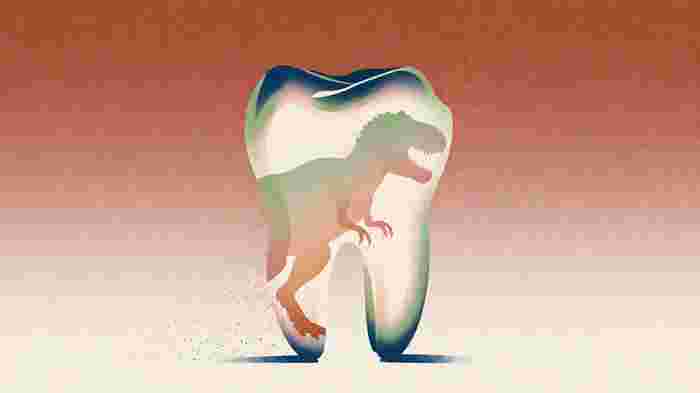
Now, a groundbreaking study of T.
现在,一项关于霸王龙的开创性研究
rex teeth has given us a very clear answer.
的牙齿研究给了我们一个非常清晰的答案。
Don't keep me in suspense, Alexander.
别让我吊着悬念了,亚历山大。
Was the T.
是霸王龙
rex warm -blooded?
属于温血动物吗?
Yes, it was.
是的,它确实是。
In fact, the study confirms that T.
事实上,这项研究证实了霸王龙
rex had a body temperature of about 97 degrees Fahrenheit.
体温约为华氏97度。
That is roughly 36 degrees Celsius, which is incredibly close to our own human body temperature and
那大约是摄氏36度,这与我们人类自身的体温非常接近,并且
very similar to modern elephants.
与现代象非常相似。
Wow, 97 degrees?
哇,97度?
That is amazing.
那太神奇了。
But wait, how do scientists measure the body temperature of an animal that has been dead for 66
但等等,科学家如何测量一只已经死亡6600万年的动物的体温?
million years?
百万年?
Did they find a giant dinosaur thermometer?
他们找到了一个巨大的恐龙温度计吗?
I wish it were that simple.
我希望事情有那么简单。
No, they had to look at the chemistry of fossilized T.
不,他们必须研究化石化霸王龙的化学成分。
rex teeth.
霸王龙的牙齿。
Specifically, they analyzed the oxygen isotopes preserved in the tooth enamel. Isotopes?
具体来说,他们分析了牙釉质中保存的氧同位素。同位素?
Sophia's science alarm is ringing.
索菲亚的科学警报响了。
Can you explain what isotopes are in simple terms for our listeners?
你能用通俗易懂的语言向我们的听众解释一下什么是同位素吗?
Of course.
当然可以。
Think of isotopes as chemical fingerprints.
可以将同位素想象成化学指纹。
Oxygen atoms come in different weights.
氧原子有不同的重量。
When an animal's teeth are growing, the ratio of these heavy and light oxygen isotopes that get
当动物的牙齿生长时,这些重氧和轻氧同位素的比例
locked into the enamel depends directly on the animal's body temperature.
锁定在牙釉质中,直接取决于动物的体温。
By measuring these ratios in the fossils, scientists can calculate exactly how warm the dinosaur's
通过测量化石中的这些比例,科学家可以准确计算出恐龙的
blood was when it was alive.
血液在它活着时是多少度。
Ah, that is brilliant.
啊,这太绝妙了。
So the teeth act like a permanent thermal record, saving the temperature data from millions of years ago.
因此牙齿就像一个永久的温度记录,保存着数百万年前的温度数据。
But what does being warm -blooded actually mean for how the T.
但恒温实际上对霸王龙的
rex lived?
生活方式意味着什么?
It means the T.
这意味着霸王龙
rex was a much more active and dangerous predator than we used to think.
是一种比我们过去想象的要活跃得多且危险得多的捕食者。
Cold -blooded animals, like crocodiles, have to bask in the sun to get energy, and they can be quite sluggish.
像鳄鱼这样的变温动物必须晒太阳来获取能量,而且它们可能非常行动迟缓。
But a warm -blooded T.
但恒温的霸王龙
rex would have had a high metabolism.
会有很高的新陈代谢。
It could run, hunt, and move continuously, regardless of the weather.
无论天气如何,它都可以持续奔跑、捕猎和移动。
It was a highly active, efficient hunting machine.
它是一台高度活跃、高效的捕猎机器。
That makes the T.
这使得霸王龙
rex even more terrifying.
变得更加可怕。
Imagine a 5 -ton active predator running around with the energy of a warm -blooded mammal?
想象一下,一只重达 5 吨的活跃捕食者拥有恒温哺乳动物的能量到处奔跑?
I am very glad we only have to meet them in museums.
我很高兴我们只需要在博物馆里见到它们。
Me too, Sophia.
我也是,索菲亚。
Me too.
我也是。
Now, let us move from one of the largest predators in history to some of the smallest creatures
现在,让我们从历史上最大的捕食者之一转到今天活着的某些最小的生物
alive today.
在今天。
We are heading to the beaches of California to look at a tiny crustacean called the sandhopper. Sandhoppers?
我们正前往加利福尼亚的海滩,去看一种名为沙蝗的微小甲壳动物。沙蝗?
Are those those little shrimp -like bugs that jump around when you lift up rotting seaweed at the beach?
就是你在海滩上掀起腐烂的海藻时到处乱跳的那些像小虾一样的虫子吗?
Yes, those are the ones.
是的,就是那些。
They might look small and unimportant, but a new study shows that these tiny creatures are actually
它们看起来可能微不足道,但一项新研究表明,这些微小的生物实际上是
major landscape builders.
主要的地形塑造者。
In fact, they move an unbelievable amount of sand along the coast. Really?
事实上,它们沿着海岸线搬运了数量难以置信的沙子。真的吗?
How much sand can a tiny bug that is only a few millimeters long actually move?
一只只有几毫米长的小虫子究竟能搬运多少沙子?
Individually, not much.
单独来看,并不多。
But there are billions of them.
但它们有数十亿只。
Researchers found that collectively, these sandhoppers move more than 110 pounds of sand per meter
研究人员发现,总体而言,这些沙蝗每米
of beach every single day.
海滩每天搬运超过 110 磅的沙子。
That's about 50 kilograms of sand.
那大约是 50 公斤的沙子。
In terms of power, they actually rival some coastal rivers in how much sediment they displace.
就力量而言,它们在搬运泥沙的数量上甚至可以与一些沿海河流相媲美。
That is mind -blowing.
这太令人震撼了。
They are like a microscopic army of bulldozers reshaping the beach while we are sunbathing.
在我们晒日光浴的时候,它们就像一支微型推土机大队,重新塑造着海滩。
How do they do it?
它们是怎么做到的?
They do it through their daily activities.
它们是通过日常活动来完成的。
Sandhoppers dig burrows in the sand to stay cool and moist during the day, and then they come out at
沙蝗在沙子里挖掘洞穴,以便在白天保持凉爽和湿润,然后它们在
night to feed.
晚上出来进食。
Every time they dig, they push sand around.
每次它们挖掘,就会把沙子向四周推。
Because there are so many of them working 24 -7, their constant digging completely reshapes the beach
因为有如此多的这类生物全天候不停工作,它们持续的挖掘完全重塑了海滩
surface over time.
随着时间的推移,海滩的表面。
This helps mix nutrients into the sand and plays a crucial role in maintaining a healthy coastal ecosystem.
这有助于将营养物质融入沙中,并在维持健康的海岸生态系统中发挥着至关重要的作用。
It just goes to show that you should never underestimate the power of small things working together.
这正好说明,你永远不应该低估微小力量协同合作的巨大威力。
Whether it's tiny sandhoppers shaping our beaches or microscopic genes revealing a new penguin
无论是塑造我们海滩的微小沙跳虾,还是揭示新企鹅的微观基因
species, small details make a massive difference in science.
物种,在科学中微小的细节都能带来巨大的差异。
Well said, Sophia.
索菲亚,说得好。
Today's stories really highlight how much we can learn when we look closely at the details, whether
今天的故事真的强调了当我们仔细观察细节时能学到多少东西,无论是
through a telescope, a microscope, or by analyzing chemical signatures and dinosaur teeth. Absolutely.
通过望远镜、显微镜,还是通过分析化学特征和恐龙牙齿。绝对如此。
It has been a wonderful journey of discovery this morning, and I hope our listeners enjoyed it as
今天早上这是一趟美好的发现之旅,我希望我们的听众也能像
much as we did.
我们一样喜欢它。
Before we sign off, we want to hear from you, our lovely audience.
在我们结束广播之前,我们想听听你们,我们可爱的听众的声音。
We have a fun question for you to think about today. Yes.
今天我们有一个有趣的问题想让你思考一下。是的。
Our question is, if you could discover a brand new animal species, what kind of creature would you
我们的问题是,如果你能发现一个全新的动物物种,你希望它是什么样的生物,以及
want it to be, and what would you name it?
你会给它命名为什么?
Please write down your answers in the comments section below, and don't forget to check out what
请在下方评论区写下你的答案,别忘了去看看
other listeners have written.
其他听众写了什么。
It is always a lot of fun to read through your creative ideas.
阅读你们充满创意的想法总是非常有意思。
We highly value your feedback and support, so if you enjoyed this episode, please consider
我们非常重视您的反馈和支持,因此如果您喜欢本期节目,请考虑
subscribing to Talkcast, sharing it with your friends, or becoming a Talkcast member to unlock
订阅 Talkcast,与你的朋友分享,或者成为 Talkcast 会员以解锁
exclusive benefits.
专属福利。
And a quick reminder for our listeners who want to review today's vocabulary and grammar, the full
另外快速提醒一下想要复习今天词汇和语法知识的听众,完整的
English transcript and audio for this episode are regularly published on our website, www .talkcast
本期英文逐字稿和音频会定期发布在我们的网站 www.talkcast
.top, as well as on our official WeChat account, which is also called Talkcast.
.top 上,以及我们的官方微信公众号上,该公众号也叫 Talkcast。
Feel free to check them out.
欢迎随时去查看。
Thank you so much for joining us this morning.
非常感谢您今天早上的加入。
Have a wonderful day ahead.
祝您接下来度过美好的一天。
Keep learning, keep listening, and we will see you next time on Talkcast.
保持学习,保持收听,我们下次 Talkcast 再见。
Bye, everyone.
再见,大家。
Have a great day.
祝您度过美好的一天。