Interactive transcript · 295 lines
Good morning.
早晨好。
Welcome to TalkCast.
欢迎来到 TalkCast。
Good morning, everyone.
早上好,大家。
I am Emily.
我是艾米丽。
And I am Jack.
而我是杰克。
We are very happy to talk to you this morning.
我们今天早上和你聊天非常高兴。
Yes, it is a beautiful morning.
是的,这是一个美丽的早晨。
How are you today, Jack?
杰克,你今天好吗?
I am great, Emily.
我很好,艾米丽。
I am excited at our show today.
我对我们今天的节目感到很兴奋。
Me too.
我也是。
We have many interesting stories for our listeners.
我们为听众准备了许多有趣的故事。
Yes, but first we have a quick notice.
是的,但首先我们有一个简短的通知。
Oh, yes.
哦,是的。
Our website has a new feature.
我们的网站有一个新功能。
It is a digital notebook.
这是一个数字笔记本。
That is right.
那是对的。
When you read on our website, you can add new words.
当你在我们的网站上阅读时,你可以添加新单词。
It is very easy to use.
它非常容易使用。
It helps you review and remember words.
它帮助你复习和记住单词。
It is a great way to study English.
这是学习英语的一个好方法。
So please visit www .talkcast .top and try it today.
所以请访问 www.talkcast.top 并今天试一试它。
Yes, please try it.
是的,请尝试一下。
Now, Jack, what is the date today?
杰克,今天的日期是什么?
Today is October 8th, 2026.
今天是十月8日,2026年。
October 8th, 2026? Great.
2026年10月8日?太棒了。
Let us hear the headlines.
让我们听听头条新闻。
Today, we have four exciting science stories.
今天,我们有四个令人兴奋的科学故事。
What is our first story, Jack?
杰克,我们的第一个故事是什么?
First, a scientist won a big prize.
首先,一位科学家赢得了一个大奖。
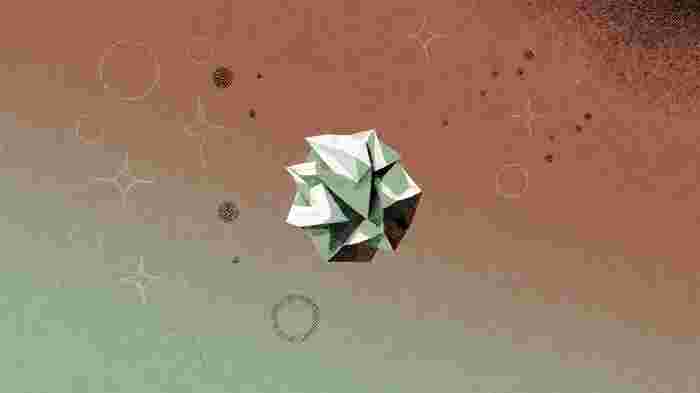
He found ghost things in the ice.
他在冰里找到了幽灵般的物体。
Ghost things?
幽灵般的物体?
That sounds exciting.
这听起来很令人兴奋。
What is next?
接下来是什么?
Next, we look at the moon.
接下来,我们来看看月亮。
Scientists found a giant hole there.
科学家们在那里发现了一个巨大的洞。
A hole on the moon?
月亮上有个洞?
Is there a secret cave inside?
里面有一个秘密洞穴吗?
Yes, we will talk about that.
是的,我们会谈论那个。
And what is the third story?
还有第三个故事是什么?
The third story is about a very old insect.
第三个故事是关于一个非常古老的昆虫。
It lived with the dinosaurs. Wow.
它和恐龙生活在一起。哇。
Did it have a special body? Yes.
它有一个特殊的身体吗?是的。
It had a very long nose.
它有一个非常长的鼻子。
How interesting.
多么有趣啊。
And the last story?
还有最后一个故事?
Last, we talk about vanilla.
最后,我们来谈谈香草。
It can help heal hurt skin. Sweet.
它可以帮助治愈受伤的皮肤。真甜。
I love vanilla.
我爱香草。
Let us start with the first story.
让我们从第一个故事开始。
Our first story is about the Nobel Prize.
我们的第一个故事是关于诺贝尔奖的。
Oh, the Nobel Prize in physics.
哦,诺贝尔物理学奖。
It is a very big prize.
这是一个非常大的奖。
Yes, it is the biggest prize for physicists.
是的,这是给物理学家最大的奖项。
Who won the prize this year?
今年谁赢得了这个奖?
A scientist named Francis Halzen.
一个名叫弗朗西斯·哈尔岑的科学家。
He works at a university in America.
他在美国的一所大学工作。
Why did he win the prize, Jack?
杰克,他为什么能赢得这个奖?
He found tiny things from space.
他发现了来自太空的极小的东西。
Scientists call them neutrinos. Neutrinos?
科学家们称它们为中微子。中微子?
That is a hard word.
那是一个很难的词。
What does it mean?
它是什么意思?
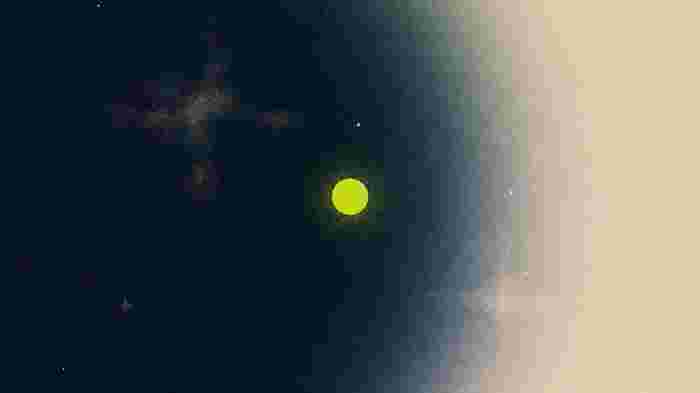
Think of them as tiny ghosts.
把它们想象成微小的幽灵。
They are everywhere.
它们到处都是。
But they are very, very small.
但它们非常非常小。
Are they inside this room? Yes.
它们在这个房间里面吗?是的。
Millions of them go through your body every second.
数百万个它们每秒钟穿过你的身体。
Oh my.
哦天哪。
Can I feel them?
我能感觉到它们吗?
No, you cannot feel them.
不,你感觉不到它们。
They do not touch anything.
它们不接触任何东西。
They go right through the earth.
它们径直穿过地球。
Wow, they really are like ghosts.
哇,它们真的就像幽灵一样。
So how did he catch them?
那他是怎么捕捉到它们的呢?
He went to Antarctica.
他去了南极洲。
It is the coldest place on earth.
那是地球上最冷的地方。
Why did he go to Antarctica?
为什么他去了南极洲?
Because he needed a lot of clean ice.
因为他需要大量干净的冰。
He built a giant telescope inside the ice.
他在冰层里面建造了一个巨大的望远镜。
A telescope inside the ice?
冰里面的望远镜?
How does that work?
那是怎么运作的呢?
The ice is very clear.
这里的冰非常清澈。
He put many light sensors deep in the ice.
他在冰层深处放置了许多光传感器。
How deep, Jack?
有多深,杰克?
More than one mile deep.
超过一英里深。
That is very deep.
那非常深。
Does this telescope have a name? Yes.
这个望远镜有名字吗?有的。
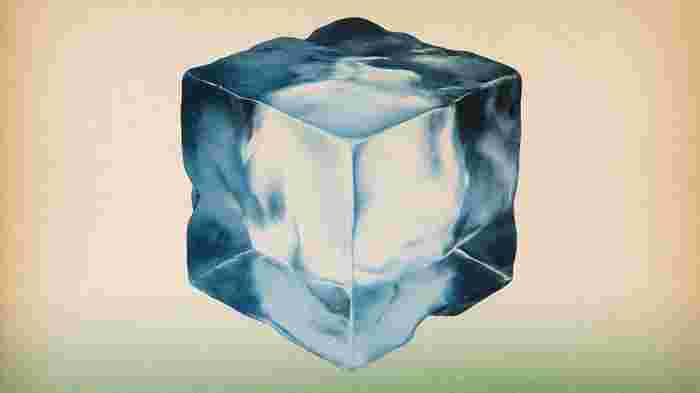
It is called Ice Cube.
它被称为冰立方。
Ice Cube?
冰立方?
Like a small cube of ice in my water?
就像我水里的一小立方体冰吗?
Yes, but this cube is giant.
是的,但这个立方体是巨大的。
It is one kilometer long, one kilometer wide, and one kilometer deep.
它长一公里,宽一公里,深一公里。
Wow, that is huge.
哇,那太巨大了。
What happens when a ghost particle hits the ice?
当幽灵粒子撞击冰层时会发生什么?
Sometimes a ghost particle hits the ice.
有时幽灵粒子会撞击冰层。
It makes a tiny blue light.
它会发出微弱的蓝色光。
And the sensors see the blue light?
然后传感器能看到蓝光吗?
Yes, the sensors see the light.
是的,传感器能看到光。
Then scientists know where the particle came from.
然后科学家们就知道粒子是从哪里来的了。
That is amazing.
这太神奇了。
Where do they come from?
它们从哪里来?
They come from deep space.
它们来自深空。
From exploding stars and black holes.
来自爆炸的恒星和黑洞。
So the ice telescope helps us see the universe?
所以冰望远镜帮助我们看到宇宙?
Yes, it does.
是的,确实如此。
That is why he won the Nobel Prize.
这就是为什么他获得了诺贝尔奖。
He worked for many years on this.
他为此工作了多年。
He is a great scientist.
他是一位伟大的科学家。
Yes, he is.
是的,他是。
He waited for 20 years.
他等待了20年。
Every October, he hoped to win.
每年十月,他都希望获胜。
Now the misery is over. Misery?
现在痛苦结束了。痛苦?
What does misery mean?
痛苦是什么意思?
It means feeling very sad and worried.
这意味着感觉非常悲伤和担心。
Oh, I see.
哦,我明白了。
He was sad every October because he did not win.
他每年十月都很伤心,因为他没有获奖。
But now he is happy.
但现在他很高兴。
Yes, now we understand the universe better.
是的,现在我们对宇宙有了更好的理解。
That is a great story.
那是一个很棒的故事。
What is next?
接下来是什么?
Let us move to our second story.
让我们进入我们的第二个故事。
It is about the moon.
它是关于月亮的。
The moon?
月亮?
Do we have a new space mission?
我们有新的太空任务吗?
Yes, scientists are studying the moon.
是的,科学家们正在研究月亮。
They found a giant hole on the moon.
他们在月球上发现了一个巨大的洞。
A giant hole?
一个巨大的洞?
Did a rock from space make it?
是来自太空的岩石造成的吗?
No, it is not a crater.
不,它不是一个陨石坑。
It is a deep pit.
这是一个深坑。
It looks like a sinkhole.
它看起来像一个天坑。
Where does the hole go?
这个洞通往哪里?
Scientists think it goes into a giant cave.
科学家认为它通向一个巨大的洞穴。
An underground cave.
一个地下洞穴。
A cave under the moon?
月亮下面的洞穴?
That is very exciting.
那非常令人兴奋。
Yes, it is.
是的,它是。
The cave is very big.
这个洞穴非常大。
How did this cave get there, Jack?
这个洞穴是怎么到那里去的,杰克?
Did someone dig it?
有人挖的吗?
No, nature made it.
不,是大自然制造的。
A long time ago, there was hot liquid rock on the moon.
很久以前,月球上有炽热的液体岩石。
We call it lava. Lava?
我们称之为熔岩。熔岩?
Like from a volcano? Yes.
就像来自火山?是的。
The lava flowed and made a tube.
熔岩流动并形成了一个管子。
Then the lava went away, and the tube became an empty cave.
然后熔岩流走了,管子变成了一个空洞穴。
So it is like a long pipe under the ground. Exactly.
所以它就像地下的一根长管道。确切地说。
It is a volcanic tube.
它是一个火山管。
It is very strong.
它非常坚固。
Why do scientists care about a moon cave?
为什么科学家们关心一个月球洞穴?
Because people want to live on the moon in the future.
因为人们想在未来住在月球上。
But can people live in a cave?
但是人们能住在洞穴里吗?
Why not build houses on the moon?
为什么不在月球上建造房屋呢?
Houses on the moon have many problems. Really?
月球上的房屋有很多问题。真的吗?
What are the problems?
有什么问题?
The weather on the moon is very bad.
月球上的天气非常糟糕。
Is it rainy?
那是多雨的吗?
No, there is no rain.
不,那里没有雨。
But it is very hot in the day.
但是白天非常热。
It is more than 100 degrees. Ouch.
温度超过了100度。哎哟。
That is too hot.
那太热了。
And it is very cold at night.
而且晚上非常冷。
It is minus 170 degrees.
那是零下170度。
Oh, that is freezing.
哦,那真是极冷。
Also, dangerous rocks from space can hit the surface, and there are bad sun rays.
另外,来自太空的危险岩石会撞击表面,而且还有糟糕的太阳射线。
So the surface of the moon is very dangerous. Yes.
所以月球表面非常危险。是的。
But inside a cave, it is different.
但在洞穴内部,情况是不同的。
How is it different?
有什么不同?
The temperature is steady.
温度是稳定的。
It does not get too hot or too cold.
它不会变得太热或太冷。
And the rock roof protects you. Yes.
而且岩石屋顶保护了你。是的。
The roof protects you from rocks and sun rays.
屋顶保护你免受岩石和太阳射线的伤害。
That is perfect.
那太完美了。
The cave is like a natural home. Exactly.
这个洞穴就像一个自然的家。确实如此。
It is a safe place for astronauts.
它是宇航员的安全场所。
When will we go inside this cave?
我们什么时候会进去这个洞穴里面?
NASA wants to send a robot soon.
NASA不久将派遣一个机器人。
The robot will go down into the hole and look around.
机器人将下去洞里并四处看看。
I hope the robot finds a nice place for us.
我希望机器人能为我们找到一个好地方。
Now, let us talk about a very old insect.
现在,让我们来谈谈一种非常古老的昆虫。
How old is it, Jack?
它有多老,杰克?
It is 99 million years old. Wow.
它有99百万年历史了。哇。
That is from the time of the dinosaurs. Yes.
那是来自恐龙时期的。是的。
Scientists found this insect in Myanmar.
科学家在缅甸发现了这种昆虫。
Where was it?
它在哪里?
Was it in the dirt? No.
它在泥土里吗?没有。
It stayed inside a piece of amber. Amber?
它呆在一块琥珀里。琥珀?
What is amber?
什么是琥珀?
Amber is old tree juice.
琥珀是古老的树木汁液。
A long time ago, the juice was sticky.
很久以前,这种汁液是黏的。
Oh, like honey?
哦,像蜂蜜一样?
Yes, like sticky honey.
是的,像黏稠的蜂蜜。
The insect fell into this sticky juice.
这只昆虫掉进了这种黏稠的汁液里。
And then the juice became hard? Yes.
然后汁液变得坚硬了?是的。
It became hard like stone.
它变得像石头一样硬。
It kept the insect safe for millions of years.
它使这只昆虫在数百万年里保持安全。
So we can see it clearly today.
所以我们今天能清晰地看到它。
Were there T -Rex dinosaurs then? Yes.
那时有霸王龙恐龙吗?是的。
There were many big dinosaurs.
那里有许多大恐龙。
But this insect was very small.
但这只昆虫非常小。
It was only a few millimeters long.
它只有几毫米长。
So it was tiny.
所以它非常小。
What does it look like?
它看起来是什么样的?
It has a very long nose.
它有一个非常长的鼻子。
The nose is two times longer than its body.
这个鼻子比它的身体长两倍。
Two times longer than its body?
比它的身体长两倍?
That is crazy. Yes.
这太疯狂了。是的。
It looks like a long, bendy straw.
它看起来像一根长而弯曲的吸管。
Why did it have such a long nose?
为什么它有这么长的鼻子?
It used the nose to drink sweet juice from plants.
它用鼻子喝植物里的甜汁液。
Like a butterfly? Yes.
像蝴蝶一样?是的。
Like a butterfly.
像蝴蝶一样。
But this insect lived before modern butterflies.
但这种昆虫生活在现代蝴蝶之前。
Did scientists give it a name? Yes.
科学家给它起名字了吗?是的。
They named it Nunu. Nunu?
他们把它命名为努努。努努?
What is that?
那是什么?
Nunu is a funny machine in a children's TV show.
努努是儿童电视节目中的一台有趣机器。
It sucks dirt from the floor with a long nose.
它用长鼻子把地上的泥土吸走。
Oh, I see.
噢,我明白了。
Like a vacuum cleaner.
就像一个真空吸尘器。
That is so funny.
这太有趣了。
I love that name.
我喜欢那个名字。
It is a great discovery.
这是一个伟大的发现。
It tells us about life millions of years ago.
它告诉我们数百万年前的生活。
That is amazing.
这太神奇了。
What is our last story, Jack?
我们的最后一个故事是什么,杰克?
Our last story is about vanilla. Vanilla?
我们的最后一个故事是关于香草的。香草?
I love the smell of vanilla.
我喜欢香草的气味。
It makes me think of cake. Yes.
它让我想起蛋糕。是的。
Everyone loves vanilla.
每个人都喜欢香草。
But scientists found a new use for it.
但科学家们发现了它的一种新用途。
A new use?
新用途?
Can we use it for medicine? Yes.
我们可以把它用作药吗?是的。
It can help heal bad cuts on your skin. Really? How?
它能帮助治愈你皮肤上的严重割伤。真的吗?怎么治?
Sometimes people get bad cuts.
有时人们会受严重的割伤。
Some cuts do not heal for a long time. Yes.
有些割伤在很长一段时间内无法愈合。是的。
That is a big problem for old or sick people.
这对老年人或病人来说是个大问题。
Scientists used a part of vanilla.
科学家们使用了香草的一部分。
The name is vanillin.
这个名字叫香草醛。
Van -il -in.
范-il-in。
That is a nice word.
那是个不错的词。
What did they do with it?
他们用它来做了什么?
They put it on the cuts.
他们把它涂在割伤处。
How did they test the vanilla, Jack?
他们是怎么测试香草的,杰克?
Scientists tested it in a lab.
科学家们在实验室里测试了它。
They put it on bad skin wounds. Wounds?
他们把它涂在皮肤严重的伤口上。伤口?
That is another word for cuts, right? Yes.
那是 cuts 的另一个词,对吧?是的。
Wounds are bad cuts or hurts on the skin.
伤口是皮肤上严重的割伤或痛处。
And did it work? Yes.
而且它起作用了吗?是的。
The wounds healed much faster.
伤口愈合得更快。
Why does it help?
为什么这有帮助?
Vanillin can kill bad bacteria.
香兰素可以杀死有害细菌。
Bacteria are tiny things.
细菌是微小的东西。
They make cuts dirty.
它们会让伤口变脏。
They make healing slow.
它们会使愈合变慢。
So vanillin cleans the cut? Yes.
所以香兰素能清理伤口?是的。
And it also helps new skin grow quickly.
而且它还能帮助新皮肤快速生长。
This is wonderful.
这太棒了。
Vanilla is sweet, safe, and it smells good. Yes.
香草又甜又安全,而且闻起来很好。是的。
It is a very friendly medicine.
它是一种非常温和的药物。
Can I put vanilla ice cream on my cuts? No.
我可以把香草冰淇淋敷在伤口上吗?不行。
Don't do that.
别那样做。
Ice cream has sugar.
冰淇淋含有糖。
Sugar is bad for cuts.
糖对伤口不好。
Oh, right.
噢,对的。
Sugar can attract ants and bacteria.
糖会吸引蚂蚁和细菌。
I will only use the medicine.
我将只使用这种药。
That is true.
确实如此。
It is a sweet solution for a big problem.
这是一个针对大问题的甜蜜解决方案。
Well, those are all our stories for today.
好了,这些就是我们今天所有的故事。
We learned so many things today, Jack.
杰克,我们今天学到了很多东西。
Yes, we did.
是的,我们确实如此。
We talked about ghost particles in Antarctica.
我们讨论了南极洲的幽灵粒子。
And a giant cave on the moon.
还有月球上的一个巨大洞穴。
We also learned about a tiny insect with a straw nose.
我们还了解了一种长着吸管鼻子的微小昆虫。
And sweet vanilla that helps hurt skin.
还有帮助受损皮肤的香甜香草。
Now we have a question for our listeners. Yes.
现在我们给听众们提个问题。是的。
Here is the question.
这就是问题所在。
If you could live on the moon, would you want to live in a cave?
如果你能住在月球上,你想住在洞穴里吗?
Or would you want to live on the surface?
还是想住在表面?
Please write your answer in the comment section.
请把你的答案写在评论区。
Or you can read other people's answers there.
或者你可以在那里阅读其他人的回答。
We want to see what you think.
我们想看看你是怎么想的。
We love to hear from you.
我们很乐意听到您的声音。
Thank you for listening to TalkCast today.
谢谢大家收听今天的 TalkCast。
If you like our show, please subscribe.
如果你喜欢我们的节目,请订阅。
And share it with your friends. Yes.
并与你的朋友分享。是的。
You can also join our TalkCast VIP membership.
你也可以加入我们的 TalkCast VIP 会员。
It helps us make more shows.
这有助于我们制作更多的节目。
See you next time.
下次见。
Don't forget, you can find the English text of this show on our website, www .talkcast .top.
别忘了,你可以在我们的网站 www.talkcast.top 上找到这个节目的英文文本。
You can also find it on our WeChat account, TalkCast.
你也可以在我们的微信账号 TalkCast 上找到它。
Have a wonderful day.
祝你度过美好的一天。
See you next time.
下次见。
Bye -bye. Goodbye.
拜拜。再见。