Interactive transcript · 180 lines
Good morning, dear listeners.
早上好,亲爱的听众们。
Welcome to TalkCast, your favorite morning news podcast.
欢迎来到 TalkCast,您最喜欢的早间新闻播客。
Today is October 10th, 2026.
今天是2026年十月10日。
Good morning, Benjamin, and good morning to everyone listening.
早上好,本杰明,也向正在聆听的每一个人问好。
It is a beautiful, sunny morning to learn some English.
这是个学习英语的美好、阳光明媚的早晨。
Yes, it is.
是的,确实如此。
I am Benjamin, your lead anchor, and I have my morning coffee ready.
我是本杰明,你们的首席主播,我已经准备好了早咖啡。
And I am Chloe, your commentator.
我是克洛伊,你们的评论员。
I am ready to talk about some amazing things happening in our world today. Excellent.
我准备好谈谈今天在我们世界上发生的一些惊人的事情。太棒了。
Today, we have a very exciting show for our English learners.
今天,我们为英语学习者准备了一个非常激动人心的节目。
We will travel from deep space back to Earth.
我们将从深邃的太空返回地球。
That is right.
说得对。
First, we will talk about four astronauts returning from space.
首先,我们将讨论四名从太空返回的宇航员。
Then, we will look at a super clock.
然后,我们将看一看一个超级时钟。
We will also hear about origami wheels for the moon, a planet born from ashes, and why big dogs age faster.
我们还将听到关于月球折纸车轮、一个诞生于灰烬中的行星,以及为什么大狗衰老得更快的故事。
And finally, a forgotten fish in a museum drawer.
最后,还有博物馆抽屉里一条被遗忘的鱼。
Let us start with our first story.
让我们从我们的第一个故事开始。
Our first story is about four brave astronauts.
我们的第一个故事关于四位勇敢的宇航员。
They returned to Earth after eight months in space.
他们在太空中度过八个月后返回了地球。
Eight months.
八个月。
That is a very long time to live in space.
在太空生活这是一段非常长的时间。
Where did they land?
他们在哪里着陆的?
They landed in the Pacific Ocean.
他们在太平洋着陆。
Their spacecraft splashed down safely near the coast of Los Angeles.
他们的航天器在洛杉矶海岸附近安全溅落。
Wait, splashed down?
等等,溅落?
Can you explain what that means?
你能解释一下那是什么意思吗?
Of course.
当然。
It means the spacecraft used big parachutes to land in the water instead of on a runway.
这意味着航天器使用巨大的降落伞降落在水中,而不是在跑道上。
Ah, I see.
啊,我明白了。
Like a very big control jump into the ocean.
就像是一次巨大的控制跳跃入海。
How far do they travel?
他们行进了多远?
They traveled about 100 million miles during their mission.
他们在任务期间行进了大约1亿英里。
This was the NASA SpaceX Crew -12 mission.
这是美国宇航局太空探索技术公司的第12号载人飞行任务。
100 million miles is incredible.
1亿英里真是难以置信。
What did they do all that time on the space station?
他们在空间站上那么长时间都做了什么?
They did many scientific experiments.
他们做了许多科学实验。
They studied how plants grow in space and how the human body changes.
他们研究了植物如何在太空中生长以及人体是如何变化的。
That is very important.
这非常重要。
But living without gravity must be very difficult for eight months.
但是在没有重力的环境下生活八个月一定非常困难。
Yes, it is.
是的,确实如此。
Gravity is the force that pulls us to the ground.
重力是将我们拉向地面的力。
Without it, muscles and bones become weak.
没有它,肌肉和骨骼会变弱。
So they have to exercise a lot in space, right? Exactly.
所以他们在太空中必须大量锻炼,对吧?完全正确。
They used special exercise machines every day.
他们每天都使用特殊的锻炼机器。
Now doctors will help them get used to Earth's gravity again.
现在医生将帮助他们重新适应地球的重力。
I am sure they are very happy to see their families and eat fresh food today. Indeed.
我确信他们今天看到家人并吃到新鲜食物会非常高兴。确实如此。
Now let us move to our second story.
现在让我们进入我们的第二个故事。
Scientists have built the world's first nuclear clocks.
科学家们建造了世界上第一座核时钟。
A nuclear clock?
一个核时钟?
Is that different from the atomic clocks we use now? Yes.
这与我们现在使用的原子钟不同吗?是的。
It is much more accurate.
它精确得多。
Regular atomic clocks use lasers to measure the movement of electrons.
常规原子钟使用激光来测量电子的运动。
And what does a nuclear clock use?
那么核钟使用的是什么?
It uses the center of an atom, which we call the nucleus.
它使用的是原子的中心,我们称之为原子核。
They used an element called thorium -229.
他们使用了一种名为钍-229的元素。
I see.
我明白了。
The nucleus is very small and protected inside the atom. Yes.
原子核非常小,并且在原子内部受到保护。是的。
Because it is protected, it is not affected by things like temperature or magnetic fields.
因为它受到保护,所以它不受温度或磁场等因素的影响。
So how accurate is this new clock?
那么这个新时钟有多准确呢?
Scientists say it is so accurate that it will not lose a single second in billions of years.
科学家表示,它非常准确,以至于在数十亿年内都不会误差哪怕一秒。
That is unbelievable.
这真是难以置信。
My alarm clock loses a minute every week.
我的闹钟每周都会慢一分钟。
Why do we need such an accurate clock?
为什么我们需要如此准确的时钟?
Well, very accurate clocks are important for GPS maps on our phones.
嗯,非常准确的时钟对我们手机上的GPS地图至关重要。
They also make the internet faster and safer.
它们还使互联网变得更快、更安全。
So we can find our way home more easily because of these clocks? Yes.
所以多亏了这些时钟,我们能更容易找到回家的路?是的。
And scientists in Vienna and Beijing work together to make this happen.
维也纳和北京的科学家们正携手合作来实现这一目标。
It is a great success for global science.
这是全球科学的一大成功。
That is wonderful.
这太棒了。
Working together always brings great results.
共同努力总是能带来伟大的成果。
Our third story is also about space technology.
我们的第三个故事也是关于太空技术的。
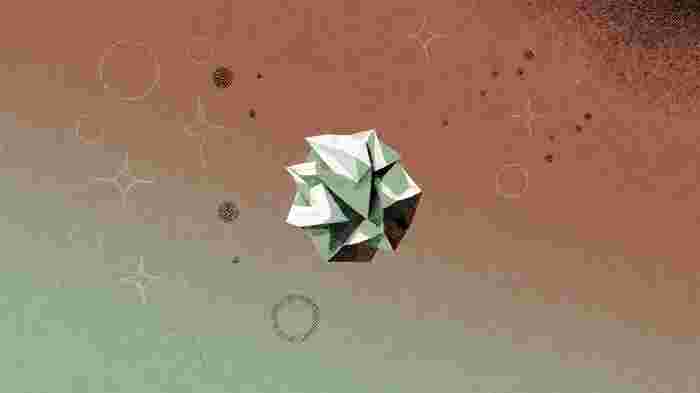
Scientists have designed new wheels for moon rovers, and they are inspired by origami. Origami?
科学家为月球车设计了新车轮,它们受折纸的启发。折纸?
The traditional Japanese art of folding paper into shapes?
将纸折叠成各种形状的日本传统艺术?
Yes, exactly.
是的,完全如此。
How can paper folding help a heavy space rover on the dusty moon?
纸张折叠怎么能帮助沉重的太空车在满是尘土的月球上行驶呢?
The wheels are not made of paper, of course.
车轮当然不是用纸做的。
They are made of strong metal.
它们是由坚固的金属制成的。
However, they can fold and unfold.
然而,它们可以折叠和展开。
Why do they need to change their shape?
为什么它们需要改变形状?
Because the moon has deep, dark caves called lava tubes.
因为月球上有被称为熔岩管的深邃黑暗的洞穴。
These are tunnels made by ancient volcanoes.
这些是由古代火山形成的隧道。
Ah, so the rovers need to go inside these narrow tunnels? Yes.
啊,所以探测车需要进入这些狭窄的隧道?是的。
The origami wheels can shrink to fit into tight spaces.
折纸车轮可以收缩以适应狭小的空间。
Then they can expand to climb over rough rocks.
然后它们可以展开以爬过粗糙的岩石。
That is so smart.
这太聪明了。
It is like a transformer toy.
它就像一个变形金刚玩具。
It is.
确实是。
These lava tubes are very important.
这些熔岩管非常重要。
They could protect future astronauts from space radiation and extreme cold.
它们可以保护未来的宇航员免受太空辐射和极端寒冷的侵害。
So, we need rovers with folding wheels to explore these caves first. Exactly.
所以,我们需要带折叠车轮的探测车先去探索这些洞穴。完全正确。
It is amazing how an old art form can help us build future technology.
一种古老的艺术形式能帮助我们构建未来的技术,这真是令人惊叹。
I agree.
我同意。
It shows that creative thinking is very important in science.
这表明创造性思维在科学中非常重要。
Now, let us talk about a very special planet.
现在,让我们来谈谈一个非常特殊的行星。
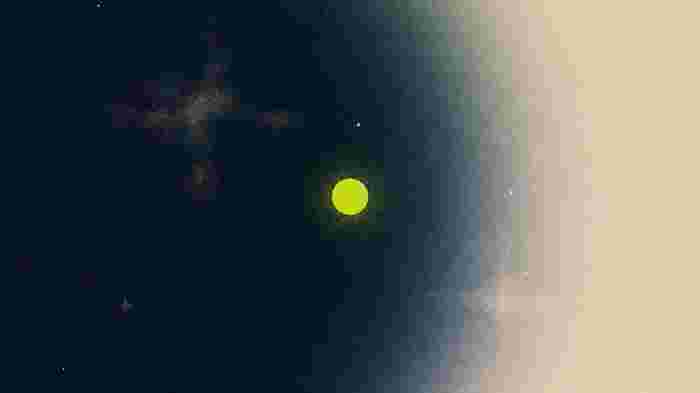
Scientists have spotted a planet that rose from the ashes of a dead star.
科学家们发现了一颗从一颗死星的灰烬中升起的行星。
Like a phoenix?
就像凤凰一样?
The mythical bird that is born again from its own ashes? Yes.
那个从自己的灰烬中重生的神话中的鸟?是的。
Scientists are actually calling it a phoenix world.
科学家们实际上称它为一个凤凰世界。
That sounds like science fiction.
这听起来像是科幻小说。
What happened to the star?
这颗恒星发生了什么?
When a star like our sun dies, it gets very big and hot.
当像我们太阳这样的恒星消亡时,它会变得非常巨大且炎热。
Usually, it destroys all the planets around it.
通常,它会摧毁周围所有的行星。
And then it shrinks and becomes a small dead star, right? Yes.
然后它会收缩并变成一颗微小的死星,对吗?是的。
We call that small dead star a white dwarf.
我们把那颗微小的死星称为白矮星。
So, how did this planet survive?
那么,这颗行星是如何幸存下来的呢?
It did not survive.
它并没有幸存下来。
It was actually born after the star died.
它实际上是在恒星消亡之后才诞生的。
It formed from the dust in the rocks left behind.
它是由残留岩石中的尘埃形成的。
Oh, I see.
哦,我明白了。
So, it is a second -generation planet.
所以,这是一颗第二代行星。
That is amazing. Yes.
这太神奇了。是的。
Using the Hubble Space Telescope, scientists found this planet orbiting the white dwarf.
借助哈勃太空望远镜,科学家们发现这颗行星正绕着白矮星运行。
This is very exciting.
这真是令人兴奋。
It means even when a star dies, new life or new worlds can still begin. Yes.
这意味着即使恒星消亡,新的生命或新的世界仍可能开始。是的。
It gives us hope for the future of the universe.
它给我们带来了对宇宙未来的希望。
It really does.
确实如此。
Science always surprises us.
科学总是给我们带来惊喜。
Let us bring our focus back to our pets on Earth.
让我们把注意力转回到地球上的宠物身上。
Our next story is about big dogs.
我们的下一个故事关于大狗。
I love big dogs.
我喜爱大狗。
Like golden retrievers.
比如金毛寻回犬。
What is the news about them?
关于它们的什么消息?
A new study shows that big dogs age faster than small dogs at a biological level.
一项新的研究表明,大狗在生物学层面上比小狗衰老得更快。
Many people know that small dogs usually live longer than big dogs.
许多人知道小狗通常比大狗寿命长。
But do we know why now? Yes.
但我们现在知道为什么了吗?是的。
Scientists studied something called epigenetics. Epigenetics.
科学家们研究了一种叫做表观遗传学的东西。表观遗传学。
That is a big word.
那是个高级的词汇。
What does it mean?
它是什么意思?
It refers to chemical changes in our cells as we get older.
它指的是随着我们变老,细胞发生的化学变化。
It is like an internal biological clock. Ah.
它就像是一个内在的生物钟。啊。
A clock inside our bodies that shows our real age. Yes.
我们体内的这个时钟显示了我们的真实年龄。是的。
The study showed that this internal clock ticks much faster in large dogs and also in male dogs.
研究表明,在大狗和雄性狗体内,这个生物钟运转得要快得多。
So, a big dog is biologically older than a small dog of the same birthday? Exactly.
所以,一只大狗在生物学上比同一天生日的小狗要老?完全正确。
Their bodies age at a faster speed.
它们的身体以更快的速度衰老。
Although it is sad that they have shorter lives, can this research help them? Yes.
尽管它们的寿命更短令人难过,但这项研究能帮助它们吗?是的。
Scientists hope to use this information to create better medicine and food to help big dogs live longer.
科学家们希望利用这些信息开发更好的药物和食物来帮助大狗活得更久。
That would be wonderful.
那将是极好的。
I want all dogs to stay healthy and happy for a long time.
我希望所有的狗都能长久保持健康和快乐。
Me too.
我也是。
Now, for our final story, we have a very unusual discovery from a museum drawer.
现在,对于我们的最后一个故事,我们有一个来自博物馆抽屉的非常罕见的发现。
What did they find?
他们找到了什么?
A long -lost treasure?
一个失踪很久的宝藏?
They found a 50 -million -year -old fossil of a fish.
他们发现了一条有5000万年历史的鱼类化石。
It was sitting in a museum drawer for 150 years.
它在一个博物馆的抽屉里躺了150年。
150 years in a drawer?
在一个抽屉里待了150年?
Why did nobody notice it?
为什么没有人注意到它呢?
Large museums have millions of specimens.
大型博物馆拥有数百万件标本。
Sometimes items are mislabeled or forgotten in quiet corners.
有时物品会被贴错标签或遗忘在安静的角落里。
That is true.
这倒是真的。
It is easy to lose things when you have too much stuff.
当你拥有太多东西时,很容易把东西弄丢。
So, why is this fish fossil important?
所以,这条鱼的化石为什么重要?
This fossil fills a 50 -million -year gap in the history of fish evolution.
这个化石填补了鱼类演化史上五千万年的空白。
Fills a gap?
填补空白?
Can you explain that simply?
你能简单地解释一下吗?
It means we did not have any fossils from that specific time in history.
这意味着我们没有那个历史特定时期的任何化石。
This fish helps us understand how modern fish developed. Wow.
这条鱼帮助我们了解现代鱼类是如何进化的。哇。
It is like finding a missing puzzle piece from millions of years ago. Exactly.
这就像找到几百万年前缺失的拼图碎片。确实如此。
It was just waiting in a drawer in Peru.
它只是在秘鲁的一个抽屉里静静等待着。
It makes me want to clean my room.
这让我想打扫我的房间。
Maybe I will find something historical, too.
也许我也能找到一些历史性的东西。
Who knows?
谁知道呢?
It is always good to look closer at what we already have.
仔细看看我们已经拥有的东西总是好的。
That is a very good lesson for life.
这对生活来说是一个很好的教训。
And for science.
对科学也是如此。
And that brings us to the end of our news today.
这也让我们来到了今天新闻的尾声。
We hope you enjoyed learning English with these stories.
我们希望你们喜欢通过这些故事学习英语。
Yes, we had a lot of fun.
是的,我们玩得很开心。
We talked about space landing, nuclear clocks, origami wheels, a phoenix planet, aging dogs, and a
我们讨论了太空着陆、核钟、折纸轮、凤凰行星、衰老的狗,以及一个
hidden fish fossil.
隐藏的鱼类化石。
Now, we have a question for our listeners.
现在,我们为我们的听众准备了一个问题。
Which of these scientific discoveries did you find the most interesting?
在这些科学发现中,你觉得哪一个最有趣?
Please write your answer in the comments section below.
请在下方的评论区写下你的答案。
You can also check what other listeners think.
你也可以查看其他听众的想法。
We love reading your comments.
我们很喜欢阅读你们的评论。
We want to thank all of our Talkcast members for your wonderful support.
我们要感谢所有Talkcast会员的精彩支持。
Yes, thank you so much.
是的,非常感谢。
If you liked this episode, please subscribe and share it with your friends.
如果你喜欢这一集,请订阅并与你的朋友分享。
Have a fantastic day, everyone.
祝大家度过美妙的一天。
We will see you in our next episode.
我们将在下一集节目中与大家见面。
Have a great morning and a wonderful day. Goodbye.
祝你拥有一个美好的早晨和愉快的一天。再见。