Interactive transcript · 176 lines
Hello, everyone, and welcome back to TalkCast.
大家好,欢迎回到 TalkCast。
I am your host, Sarah.
我是你们的主持人莎拉。
We are so glad you are tuning in today.
非常高兴大家今天收听我们的节目。
Before we jump into our fascinating topic, I want to take a moment to say a huge thank you to all of
在深入探讨我们今天迷人的话题之前,我想借此机会对大家表示巨大的感谢
our TalkCast members.
致我们所有的 TalkCast 会员。
Your incredible support keeps this show running, and we truly appreciate each and every one of you.
你们难以置信的支持让这个节目得以维持,我们真心感激你们中的每一个人。
If you have not joined our membership yet, we would love to welcome you.
如果您还没有加入我们的会员,我们非常欢迎您的加入。
Your support helps us continue to create high -quality, educational content for English learners and
您的支持有助于我们继续为英语学习者创作高质量的教育性内容,以及
science lovers alike.
科学爱好者同样受益。
Today, we are looking at a delightful piece of news that recently came from the Tiangong Space Station.
今天,我们来看一条最近来自天宫空间站的令人高兴的新闻。
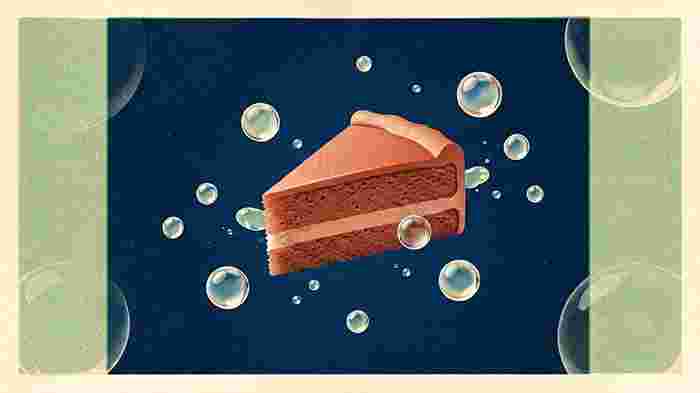
During a live lesson for students, astronaut Li Jieying showed off the space kitchen and actually
在一堂面向学生的现场直播课上,航天员李杰英展示了太空厨房,并且实际上
baked a small cake in microgravity.
在微重力环境下烘焙了一个小蛋糕。
Now, to most of us, baking a cake is a simple weekend hobby, but doing it in space?
对我们大多数人来说,烘焙蛋糕只是周末的一个简单爱好,但在太空里做呢?
That is a triumph of physics, engineering, and chemistry.
那是物理学、工程学和化学的胜利。
To help us understand how cooking works when there is no up or down, we are joined today by Dr.
为了帮助我们理解在没有上下之分时烹饪是如何进行的,今天加入我们的是
Matthew, a space food systems engineer.
马修博士,一位太空食品系统工程师。
Welcome to TalkCast, Matthew.
欢迎来到 TalkCast,马修。
Thank you, Sarah.
谢谢你,莎拉。
It is wonderful to be here.
能来到这里真是太棒了。
And yes, baking that cake in space was a huge milestone.
是的,在太空烘焙那个蛋糕是一个巨大的里程碑。
It sounds like a fun, simple activity, but cooking in orbit is actually incredibly complex.
这听起来像是一个有趣、简单的活动,但在轨道上烹饪实际上极其复杂。
Every little thing we take for granted on Earth becomes a major engineering challenge up there.
我们在地球上视为理所当然的每一件小事,在上面都会变成重大的工程挑战。
I can imagine.
我能想象得到。
Let us start with the absolute basics of cooking—heat.
让我们从烹饪最绝对的基础——热量开始。
When I bake a cake at home, I preheat my oven.
当我在家烤蛋糕时,我会预热我的烤箱。
The air inside gets hot, rises, and circulates, which cooks the cake evenly.
里面的空气变热、上升并循环,从而使蛋糕受热均匀。
But in space, there is no gravity.
但在太空里,没有重力。
How does heat move without gravity?
没有重力,热量是如何移动的?
That is the very first and most fundamental challenge, Sarah.
莎拉,这是非常首要且最根本的挑战。
On Earth, we rely on what scientists call natural convection.
在地球上,我们依赖于科学家所说的自然对流。
When air is heated, it expands, becomes less dense, and rises.
当空气被加热时,它会膨胀,密度变小并上升。
Meanwhile, cooler, denser air sinks to the bottom.
与此同时,更冷、密度更大的空气会沉到底部。
This creates a natural loop of moving air that distributes heat.
这形成了一个流动空气的自然循环,用来传递热量。
But in microgravity, there is no up or down, because gravity is not pulling the denser air downward.
但在微重力环境下,没有上下之分,因为重力不会将密度更大的空气拉向下方。
As a result, hot air does not rise, and cold air does not sink.
结果是,热空气不上升,冷空气不下沉。
Without gravity, natural convection completely stops. Wow.
没有重力,自然对流会完全停止。哇。
So if the hot air just stays in one place, what happens?
所以如果热空气只是停留在一个地方,会发生什么?
Does the oven just not work? Exactly.
烤箱就不工作了吗?完全正确。
If you just put a simple heating element in a space oven, a pocket of hot air will form right around
如果你只是在太空烤箱中放入一个简单的加热元件,一团热空气就会在四周形成
the heater and stay there.
在加热器四周并留在那里。
The rest of the oven will remain cold.
烤箱的其余部分将保持寒冷。
To give you an idea of how weird this is, think about a candle flame.
为了让你了解这有多古怪,想想蜡烛的火焰。
On Earth, a flame is teardrop -shaped because of rising hot air.
在地球上,火焰呈泪滴状是因为上升的热空气。
In space, a candle flame is a small, blue sphere.
在太空里,蜡烛的火焰是一个蓝色的小球体。
The flame actually suffocates itself, because the carbon dioxide it produces cannot sink away and
火焰实际上会让自己窒息,因为其产生的二氧化碳无法沉降离开,而且
fresh oxygen cannot flow in.
新鲜的氧气无法流入。
To solve this in a space oven, we have to use forced convection.
为了在太空烤箱中解决这个问题,我们必须使用强制对流。
This means we use electric fans to actively blow and circulate the hot air around the food.
这意味着我们使用电风扇来主动地吹动和循环食物周围的热空气。
That is the only way to ensure the cake cooks evenly, and does not just burn on one side while
这是确保蛋糕烘烤均匀的唯一方法,而不是仅仅一面烤焦,而
staying completely raw on the other.
另一面完全保持生的状态。
That is incredible.
那真是太难以置信了。
So forced convection, or using fans to move the air, is the secret.
所以强制对流,或者用风扇来流动空气,就是其中的秘密。
But what about the ingredients?
但是配料怎么办呢?
Baking involves flour, baking powder, and a lot of mixing.
烘焙涉及面粉、发酵粉和大量的混合。
How do you mix ingredients in space without everything floating away into the cabin?
在太空里,你怎么混合原料才不会让所有东西飘进舱内?
You have hit on a very messy problem.
你触碰到了一个非常棘手的问题。
In a microgravity environment, loose powder like flour is a complete nightmare.
在微重力环境中,像面粉这样的松散粉末简直是个彻底的噩梦。
If you opened a bag of flour, it would float out and create a massive cloud of dust.
如果你打开一袋面粉,它会飘出来并形成一团巨大的粉尘云。
These tiny particles are a severe safety hazard.
这些微小的颗粒是严重的安全隐患。
They can get into the astronauts' eyes, they can be inhaled into the lungs, or worse, they can float
它们可能会进入宇航员的眼睛,可能被吸入肺部,或者更糟糕的是,它们可能会飘散
into delicate electronics and cause short circuits or fires.
进入精密的电子设备中,引起短路或火灾。
Because of this, traditional mixing from scratch is not allowed in space.
正因如此,太空中是不允许从头开始进行传统混合的。
Instead, the ingredients are pre -mixed on Earth into a paste or a wet batter, and then stored in
相反,配料在地球上就被预先混合成糊状物或湿面糊,然后保存在
sealed flexible plastic bags.
密封的柔韧塑料袋中。
The astronauts can knead the bag with their hands to mix it further, and then squeeze it directly
宇航员可以用手揉捏塑料袋以进一步混合,然后将其直接挤出
into the baking container through a tube.
通过管道挤入烘焙容器中。
It's all about containment.
关键在于防逸散。
Containment makes total sense.
防逸散完全有道理。
So definitely no flour fights in space.
所以在太空中绝对不能玩打面粉仗。
But even after the cake is baked, cakes are famous for crumbs.
但即使蛋糕烤好了,蛋糕也以产生碎屑而闻名。
When I eat a piece of cake on Earth, crumbs go everywhere.
当我在地球上吃一块蛋糕时,蛋糕渣弄得到处都是。
How do astronauts deal with crumbs?
宇航员是如何处理碎屑的?
Crumbs are actually treated as a high -level hazard in spaceflight.
在航天飞行中,碎屑实际上被视为高风险隐患。
On Earth, crumbs just fall onto your plate or the floor, and you sweep them up.
在地球上,碎屑只会掉到盘子或地板上,你把它们清扫掉就行了。
But in space, they float indefinitely.
但是在太空中,它们会无限期地飘浮。
If an astronaut breathes in a floating crumb, it could cause choking or a lung infection.
如果宇航员吸入飘浮的碎屑,可能会导致窒息或肺部感染。
To prevent this, space food scientists have to design crumb -free food.
为了预防这种情况,太空食品科学家必须设计无碎屑的食品。
For this space cake, the recipe had to be specially formulated.
对于这种太空蛋糕,食谱必须经过专门配制。
We used natural binding agents, like honey or specific starches, to make the cake extremely moist
我们使用了天然的黏合剂,比如蜂蜜或特定淀粉,使蛋糕极其湿润
and cohesive.
并且有黏聚力的。
The goal is to make a cake that sticks to itself.
目标是做出一种能够自身黏附在一起的蛋糕。
When you bite into it, it must not produce any loose crumbs.
当你咬下去时,它决不能产生任何松散的碎屑。
In fact, many space foods are designed to be eaten in a single bite -sized mouthful, to completely
事实上,许多太空食品都被设计成一口大小的一口量,以彻底
eliminate the risk of crumbs.
消除产生碎屑的风险。
Bite -sized, crumb -free cakes.
咬一口大小的、无碎屑的蛋糕。
That sounds both delicious and very practical.
那听起来既美味又非常实用。
Now, what about the liquids?
现在,液体怎么办呢?
We have all seen videos of astronauts squeezing water out of a bag, and it forms a perfect floating bubble.
我们都看过宇航员从袋子里挤出水,形成一个完美的飘浮水珠的视频。
How do liquids behave inside the oven while the cake is baking?
当蛋糕在烘烤时,液体在烤箱内部会如何表现?
Liquid dynamics in space are truly beautiful, but very tricky.
太空中的液体动力学真的很美妙,但也非常棘手。
On Earth, gravity is the strongest force acting on liquids, pulling them down to the bottom of a cup.
在地球上,重力是作用于液体的最强力量,将它们拉到杯底。
But in space, without gravity, a weaker force takes over, surface tension.
但是在太空中,没有了重力,一种较弱的力量主导了一切,那就是表面张力。
This is the force that makes liquid molecules stick together, which is why water forms those
这就是使液体分子紧黏在一起的力量,这也是为什么水会形成那些
floating spheres.
飘浮的球体。
However, water also likes to stick to solid surfaces, which we call capillary action.
然而,水也喜欢附着在固体表面,我们称之为毛细现象。
If you have liquid in an open container in space, it might actually crawl up the sides of the
如果在太空的敞口容器装有液体,它实际上可能会沿着容器壁向上爬
container and escape.
并逃逸出来。
So when baking, the wet batter must be held firmly in place.
因此烘焙时,湿面糊必须被牢固地固定在原地。
The baking tin actually has a secured lid, or the batter is baked inside a special heat -resistant pouch.
烤盘实际上有一个固定紧的盖子,或者面糊是在特殊的耐热袋中烘烤的。
This keeps the liquid batter from floating away while it transitions from a liquid paste into a
这能防止液体面糊在从液体糊状物过渡到
solid cake.
实心蛋糕。
So the cake is essentially locked in place while it bakes.
因此,蛋糕在烘焙时本质上是被固定在原位的。
That is a brilliant solution.
那真是个绝妙的解决方案。
I also want to ask you about taste.
我还想请教您关于口感的问题。
I have read that astronauts often complain that food tastes different in space, and they frequently
我看过报道说宇航员经常抱怨太空中的食物味道不同,而且他们频繁
crave spicy or very flavorful foods.
渴望吃辣的或口味重的食物。
Is that true?
那是真实的吗?
And why does it happen?
为什么会发生这种情况呢?
It is absolutely true, Sarah.
这绝对是真的,莎拉。
It is a very common phenomenon known as fluid shift.
这是一种非常常见的现象,被称为体液迁移。
On Earth, gravity pulls our bodily fluids downward, towards our legs.
在地球上,重力会把我们的体液向下拉向双腿。
But in space, without gravity, those fluids distribute evenly throughout the body.
但在太空中,没有重力,这些体液会均匀地分布到全身。
This means more fluid moves up into the chest and the head.
这意味着更多的体液会向上流动到胸部和头部。
Astronauts feel like they have a head cold or nasal congestion.
宇航员会感觉像感冒了或者鼻塞一样。
Their faces actually look a bit puffy, which we call puffy face syndrome.
他们的脸实际上看起来有点肿胀,我们称之为浮肿脸综合征。
And just like when you have a cold on Earth, your nasal passages are blocked, which severely reduces
就像你在地球上感冒时鼻腔堵塞一样,这会严重降低
your sense of smell.
你的嗅觉。
Since about 80 % of what we perceive as flavor actually comes from our sense of smell, foods taste
由于我们感知到的风味大约有 80% 实际上来自于嗅觉,所以食物尝起来
very bland to astronauts.
对宇航员来说非常寡淡无味。
That is why they love hot sauce, wasabi, and strong spices like garlic.
这就是为什么他们喜欢辣酱、芥末以及像大蒜这样味重的香料的原因。
It helps stimulate their dulled senses.
这有助于刺激他们迟钝的感官。
That makes so much sense.
那非常有道理。
It's like having a permanent cold while you're in orbit.
这就像你在轨道上时得了永久感冒一样。
So did this space cake have to be extra sweet or heavily flavored to taste good?
那么这种太空蛋糕是否必须特别甜或重口味才好吃呢?
Yes, indeed.
是的,确实如此。
Space desserts are often formulated with stronger aromatic flavors, like intense vanilla, cocoa, or cinnamon.
太空甜点通常配有更浓郁的芳香风味,比如浓郁的香草、可可或肉桂。
We also adjust the sweetness level.
我们也会调整甜度等级。
A cake that tastes perfectly fine on Earth might taste like cardboard in space if we don't boost the
一块在地球上尝起来完全没问题的蛋糕,在太空中吃起来可能像硬纸板,如果我们不提升它的
flavor profile.
风味轮廓。
We want our astronauts to not only get the calories they need, but also to truly enjoy their food.
我们不仅希望宇航员获得所需的热量,更希望他们能真正享受食物。
Food is a huge boost for mental health and morale, especially when you're isolated in a small space station.
食物对心理健康和士气是极大的提升,尤其是当你被孤立在狭小的空间站里时。
I can completely see that.
我完全能理解。
A warm, sweet, flavorful cake must feel like a warm hug from Earth when you are hundreds of
一块温暖、甜蜜、美味的蛋糕,当你身处几百
kilometers away.
公里之外时,感觉一定就像来自地球的温暖拥抱。
Speaking of long missions, like going to Mars, why is developing space cooking technology so important?
说到漫长的任务,比如前往火星,为什么开发太空烹饪技术如此重要?
Can't they just eat prepackaged meals forever?
难道他们不能永远吃预包装食品吗?
Pre -packaged meals are great for short trips, but for a journey to Mars, which could take up to
预包装食品非常适合短途出行,但对于前往火星的旅程(可能需要长达
three years round trip, they have serious limitations.
三年往返时间),它们有着严重的局限性。
Over time, the vitamins in prepackaged food break down and the food loses its nutritional value.
随着时间的推移,预包装食物中的维生素会分解,食物会失去其营养价值。
Also, eating the same packaged meals for years leads to menu fatigue, which means astronauts simply
此外,多年食用相同的包装食品会导致菜单疲劳,这意味着宇航员仅仅
lose their appetite because they are bored of the food.
会因为对食物感到厌倦而失去食欲。
Being able to cook fresh food, grow fresh vegetables in space greenhouses, and bake simple items
能够烹饪新鲜食物、在太空温室里种植新鲜蔬菜、并烘焙简单的物品
like bread or cake will be vital.
比如面包或蛋糕,将是至关重要的。
It provides fresh nutrients and the psychological benefits of cooking.
它能提供新鲜的营养以及烹饪带来的心理益处。
The smell of baking and the shared experience of preparing a meal are immeasurable for a crew's
烘焙的香味和共同准备饭菜的经验,对于机组人员来说是不可估量的
mental well -being.
心理健康。
Cooking as a form of therapy and survival.
烹饪作为一种疗愈和生存的方式。
It truly connects us to our humanity, even in the cold vacuum of space.
即使在冰冷无比的太空真空中,它也真正地将我们与人性联系在一起。
Thank you so much, Matthew, for sharing these wonderful insights with us today.
非常感谢马修今天与我们分享这些精彩的见解。
You have turned a simple cake into a master class in physics and chemistry.
你把一块简单的蛋糕变成了一堂物理和化学的大师课。
It was my absolute pleasure, Sarah.
这是我绝对的荣幸,莎拉。
Happy baking to everyone on Earth, and maybe someday in space.
祝地球上的每一个人烘焙愉快,也许有一天在太空也是如此。
What an inspiring conversation.
多么启发灵感的对话啊。
Let us quickly summarize the key takeaways from today's episode.
让我们快速总结一下今天这期节目中的关键收获。
First, baking in space requires forced convection, because without gravity, hot air does not rise.
首先,在太空烘焙需要强制对流,因为没有重力,热空气不会上升。
Second, space food must be designed to be crumb -free and sticky to keep floating particles from
其次,航天食品必须设计成无碎屑且有黏性的,以防止漂浮的微粒
damaging eyes and equipment.
损坏眼睛和设备。
Third, surface tension controls liquid behavior, meaning batter must be enclosed.
第三,表面张力控制着液体的行为,这意味着面糊必须被封闭起来。
And finally, because of fluid shift, astronauts lose some of their sense of smell, so space food
最后,由于体液转移,宇航员会失去部分嗅觉,因此航天食品
needs extra bold flavors to taste delicious.
需要格外浓郁的风味才能尝起来美味。
Now, dear listeners, it is your turn.
现在,亲爱的听众们,轮到你们了。
Here's our open -ended question for today.
这是我们今天的开放式问题。
If you could design one Earth meal to be safely eaten in space, what would it be?
如果你能设计一款可以在太空安全食用的地球餐食,那会是什么呢?
And how would you package or modify it to avoid crumbs and liquids floating away?
你会如何包装或改进它,以防止碎屑和液体漂走呢?
Please write down your ideas in the comments section, or take a look at what other listeners are
请在评论区写下你的想法,或者看看其他听众
suggesting there.
在那里提出了什么建议。
It is always so fun to see your creative ideas.
看到大家充满创意的想法总是很有趣。
If you enjoyed today's episode of TalkCast, please make sure to subscribe and share it with your
如果你喜欢今天的 TalkCast 节目,请务必订阅并分享给你的
friends who are learning English or who love science.
正在学习英语或热爱科学的朋友。
We love hearing from you, so thank you so much for your warm feedback and continuous support.
我们非常期待听到大家的反馈,因此非常感谢大家温暖的反馈和持续的支持。
And a quick reminder for our English learners.
另外,给我们的英语学习者一个温馨提醒。
The full English transcript of this episode, along with key vocabulary notes, will be published
本期节目的完整英文逐字稿以及重点词汇笔记将会被发布
regularly on our official WeChat account, TalkCast.
定期发布在我们的官方微信公众号 TalkCast 上。
Be sure to check it out there to help with your listening practice.
一定要去看看,以辅助你的听力练习。
Until next time, keep listening, keep learning, and keep looking up at the stars.
下期再见,保持倾听,保持学习,并继续仰望星空。
I am Sarah, and this is TalkCast. Goodbye!
我是莎拉,这里是 TalkCast。再见!