Interactive transcript · 214 lines
Hello, hello, everyone.
你好,你好,大家。
Welcome back to another exciting episode of Talkcast Speaking.
欢迎回到《Talkcast Speaking》的另一期精彩节目。
I'm your host, Emily, and I am absolutely thrilled to have you here with us today.
我是主持人艾米莉,今天能有大家陪在我们身边,我感到非常激动。
Whether you are driving, doing chores, or just relaxing with a hot cup of coffee, thank you for
无论你是在开车的途中、做着家务,还是端着热咖啡放松身心,非常感谢你
tuning in.
收听我们的节目。
Today, we are going to dive into a topic that every single traveler, expat, or online shopper faces,
今天,我们将深入探讨一个每位游客、外籍人士或网购者都会遇到的主题,
the checkout counter.
即结账柜台。
Specifically, we are talking about card payments and navigating those tricky VIP or loyalty
具体来说,我们要讨论的是刷卡支付以及如何应对那些棘手的 VIP 或忠诚度
membership invitations.
会员邀请。
And to help me explore this topic, I have a very special guest in the studio today.
为了帮助我探讨这个话题,今天我在演播室请到了一位非常特别的嘉宾。
Everyone, please welcome Jason.
请大家热烈欢迎杰森。
Hi, Emily, and hello to all our wonderful listeners out there.
嗨,艾米莉,也向我们所有的精彩听众们问好。
I am so happy to be here.
我非常高兴能来到这里。
Honestly, today's topic is a lifesaver for me.
说实话,今天的主题对我来说简直是救星。
Just thinking about paying for things in English makes my palms sweaty.
一想到要用英语付款,我的手心就直出汗。
I always feel like I'm about to say something completely wrong at the register.
我总觉得自己在收银台前会说错话。
Oh, Jason, don't worry at all.
噢,杰森,一点也别担心。
That is incredibly common, and you are definitely not alone.
这极其常见,你绝对不是一个人。
Even after years of learning English, the pressure of a fast -moving checkout line can make anyone freeze.
即使学习了多年英语,快速移动的结账队伍带来的压力也能让任何人僵住。
But tell me, do you have a specific story or experience where you felt really stuck while trying to pay?
不过告诉我,你在尝试付款时有没有什么特别的遭遇或经历让你感到非常卡壳?
Oh, absolutely.
哦,当然有。
It happened last year when I was visiting New York.
那是去年我去纽约游览时发生的。
I went into this beautiful clothing store, found a jacket I loved, and went to the cashier.
我走进了一家漂亮的服装店,找到了一件喜欢的夹克,然后走到了收银员面前。
I pulled out my credit card, looked at the cashier, and very confidently said, can I brush my card?
我掏出信用卡,看着收银员,非常自信地说:“我可以刷卡吗?”
The cashier just stared at me, looking completely blank.
收银员就这么盯着我,看起来一脸茫然。
Then he asked, do you want to clean it?
然后他问:“你想清洁它吗?”
I was so embarrassed.
我当时太尴尬了。
Oh, Jason, that is a classic.
哦,杰森,这太经典了。
I love that story.
我喜欢这个故事。
But don't feel bad.
但不要感到难过。
This is a very common mistake for Chinese speakers, because in Chinese, we say shua ka, and shua
对说中文的人来说这是一个非常常见的错误,因为在中文里我们说“刷卡”,而“刷”
literally translates to brush or paint.
字面上翻译就是刷子或油漆。
But in English, we definitely do not brush our credit cards.
但在英语中,我们绝对不会去“刷”信用卡。
Yeah, I learned that the hard way.
是的,我付出了代价才汲取了这个教训。
So what should I have said instead?
那么我应该用什么话来替代呢?
What are the correct verbs for paying with a card?
用卡付款的正确动词是什么?
Great question.
问得好,这是个好问题。
Let's break it down, because it actually depends on the action you are performing with the card.
我们拆解一下,因为这实际上取决于你用卡执行的动作。
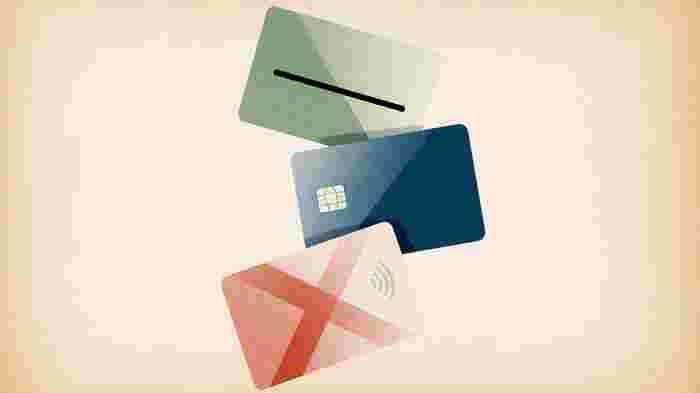
Nowadays, there are three main ways to pay with plastic.
如今,有三种主要的用塑料(信用卡)支付的方式。
And yes, by the way, plastic is a very common slang term for credit cards.
顺便说一句,plastic 是信用卡的常见俚语说法。
First, we have swipe.
首先是划卡(swipe)。
You swipe your card when you slide the magnetic strip through the reader.
当你将磁条拉过读卡器时,就是 swipe。
So you can say, can I swipe my card?
所以你可以说:“我可以刷卡吗?”
Ah, swipe.
啊,滑动。
Like swiping left or right on a phone app.
就像在手机应用上向左或向右滑动一样。
That makes sense.
这很有道理。
What about the cards with those little square metal chips on them? Exactly.
那些带有小方形金属芯片的卡呢?一点没错。
For those chip cards, we use the verb insert.
对于那些芯片卡,我们使用插入(insert)这个动词。
You physically place the card into the slot at the bottom of the machine.
你需要亲自把卡放到机器底部的插槽里。
So you would say, should I insert my card?
所以你会说:“我应该插卡吗?”
Or the cashier might tell you, please insert your card chip side up.
或者收银员可能会告诉你,请将卡芯片朝上插入。
Okay, got it.
好的,明白了。
Swipe for the strip, insert for the chip.
刷卡用磁条,插入用芯片。
But wait, Emily, what about those modern machines where you just hold your card or even your phone
但等等,艾米莉,那些你只需拿着卡甚至手机的现代机器呢
near the screen and it goes beep?
靠近屏幕,它就会发出哔哔声?
Ah, that is the most popular way now.
啊,那是现在最流行的方式。
We call that contactless payment.
我们称之为非接触式支付。
The verb we use for this action is tap.
我们用来描述这个动作的动词是 tap。
You literally just tap your card or your phone on the reader.
你确实只需要在读卡器上轻碰一下卡或手机。
So you can ask, can I tap or should I tap here?
所以你可以问,我可以刷卡或者我应该在这里刷卡吗?
Let's practice the pronunciation here, Jason.
杰森,我们来练习一下这里的发音。
Try saying, can I tap my card?
试着说:我可以刷卡吗?
Can I tap my card? Perfect.
我可以刷卡吗?太棒了。
Now, did you notice how you linked those words together?
现在,你注意到你是如何把这些单词连读在一起的吗?
In natural speech, we don't say tap my card as separate words.
在自然的表达中,我们不会把 tap my card 当作单独的单词来说。
We connect them.
我们会把它们连接起来。
Say it like tap my card.
像 tap my card 这样说。
Tap my card.
刷我的卡。
Can I tap my card?
我可以刷卡吗?
Yes, you got the hang of it. Beautiful.
是的,你掌握诀窍了。太棒了。
Now let's look at another scenario.
现在让我们看看另一种场景。
Imagine the cashier asks you, will that be cash or card?
设想收银员问你,付现金还是刷卡?
How would you respond?
你会怎么回答?
I would say card, please.
我会说刷卡,请。
Can I tap? Brilliant.
可以感应刷卡吗?太棒了。
Simple, direct, and completely natural.
简单、直接且完全自然。
Now, building on that idea, let's talk about what happens when the cashier starts talking about memberships.
现在,顺着这个思路,我们来聊聊当收银员开始谈论会员资格时会发生什么。
This is where a lot of learners get super confused.
这就是许多学习者感到非常困惑的地方。
Have you ever been asked to join a store program, Jason?
杰森,你有没有被邀请加入过商店的会员项目?
Oh, all the time.
噢,一直如此。
And it's so stressful.
而且这令人压力山大。
Once a cashier asked me, do you want to sign up for our rewards card?
有一次收银员问我,你想办理我们的奖励卡吗?
I wanted to ask if there was a VIP program.
我想问问是否有 VIP 项目。
So I said, can I open a VIP?
所以我说,我可以开通 VIP 吗?
But she didn't seem to understand what open a VIP meant. Right.
但她似乎并不理解开通 VIP 是什么意思。对的。
Open a VIP is another one of those direct translations from Chinese, kaitong VIP, that doesn't quite
“Open a VIP”是另一种来自中文“开通 VIP”的直译,这并不完全
work in English.
在英语中适用。
In English, VIP is usually an adjective or a noun referring to a person, like very important person.
在英语中,VIP 通常是一个形容词或指代人的名词,比如‘非常重要的人’。
You don't open a VIP.
你不能开通一个 VIP。
Instead, we talk about joining a membership or a loyalty program or signing up for a rewards card.
相反,我们会说加入会员、参加忠诚度计划或注册奖励卡。
Oh, loyalty program.
哦,忠诚度计划。
I've heard that term before.
我以前听说过那个术语。
What does loyalty actually mean in this context?
忠诚在这个语境下究竟是什么意思?
Great question.
很好的问题。
Loyalty means being faithful or supportive.
忠诚意味着忠实或支持。
In business, a loyalty program is a system where a store rewards you for shopping there repeatedly.
在商业中,忠诚度计划是一种系统,商店会因为你反复光顾而给予奖励。
You earn points, get discounts, or receive special offers.
你可以赚取积分、获得折扣或享受特别优惠。
So instead of saying open a VIP, you should say, can I sign up for your membership?
所以不要说 open a VIP,你应该说,我可以申请你们的会员资格吗?
Or how do I join your rewards program?
或者我该如何加入你们的奖励计划?
Ah, sign up and join.
啊,注册和加入。
Those are much better verbs.
那些是好得多的动词。
So I could say, I'd like to sign up for your loyalty card.
所以我可以说,我想办理一张你们的会员卡。
Is that correct?
那样正确吗?
That is absolutely correct.
那完全正确。
Excellent job.
做得出色。
And when we talk about the benefits of these programs, we often use the word perks.
当我们谈论这些计划的利益时,我们经常使用 perks(福利)这个词。
Perks are the special privileges or advantages you get.
福利是你获得的特殊特权或优势。
For example, one of the perks of this membership is free shipping.
例如,这项会员资格的福利之一是免运费。
Ooh, perks.
噢,额外福利。
I like that word.
我喜欢那个词。
It sounds very positive.
它听起来非常积极。
What are some other common perks?
还有哪些常见的福利?
Like, how do we say we collect points to get discounts later?
比如,我们怎么表达为了以后获得折扣而积攒积分?
Ah, to describe collecting points over time, we use the phrasal verb, rack up.
啊,为了描述随着时间推移积累积分,我们使用短语动词 rack up。
You can rack up points or accumulate points.
你可以积攒积分或者积累积分。
Rack up is very idiomatic and common in spoken English.
Rack up 在英语口语中非常地道且常用。
For example, you can rack up points every time you shop and then redeem them for discounts.
例如,你可以在每次购物时积攒积分,然后兑换折扣。
Let me try that.
让我尝试一下。
I want to rack up points to get discounts.
我想积攒积分来获得折扣。
Wow, that sounds so professional and native.
哇,这听起来非常专业且地道。
It really does.
确实是的。
You sound like a seasoned shopper already, Jason.
杰森,你听起来已经像个老练的购物者了。
Now let's put all of this together into a realistic role play.
现在让我们把这一切整合到一个逼真的角色扮演中。
Imagine you were at a department store checkout counter buying some gifts.
想象一下,你在百货商店的结账柜台购买一些礼物。
I will be the cashier and I am going to try to sell you our store membership.
我将担任收银员,并准备向你推销我们店的会员卡。
Are you ready?
你准备好了吗?
Oh boy.
噢,天哪。
Okay, I'm ready.
好的,我准备好了。
Let's do this.
让我们做这个吧。
Hi there.
嗨,你好。
Did you find everything okay today?
今天选购所有东西都还顺利吗?
Yes, thank you.
是的,感谢你。
Just these two shirts, please. Great.
就这两件衬衫,谢谢。太好了。
Your total comes to $45.
您的总计金额是 45 美元。
Will that be cash or card?
您付现金还是刷卡?
Card, please.
请刷卡。
Can I tap my card here?
我可以在这里感应刷卡吗?
Yes, you can tap right on the screen.
是的,您可以直接在屏幕上感应。
But before you tap, do you happen to have our loyalty card with us today?
但在您刷卡之前,您今天恰好带了我们的会员卡吗?
If you sign up today, you'll get an immediate 10 % off your purchase.
如果您今天注册,您的购买将立享 10% 的折扣。
Oh, that sounds good.
哦,那听起来不错。
Is there any fee to join?
加入有任何费用吗?
No, it's completely free of charge.
不,这完全是免费的。
You'll also start racking up points for future discounts. Great.
您还将开始积累积分以获得未来的折扣。太棒了。
I'd like to sign up for the rewards card then. Wonderful.
那我想注册一张奖励卡。太好了。
I just need you to fill out your name and email on the screen. Excellent.
我只需要您在屏幕上填写您的姓名和电子邮箱。棒极了。
Okay, you're all set.
好的,您一切都准备就绪了。
Now you can tap your card to pay. Awesome.
现在您可以感应卡片付款了。太棒了。
Let me tap.
让我感应刷卡。
Wait, Emily, what if my card doesn't work?
等等,艾米莉,如果我的卡无法使用怎么办?
Sometimes my international credit card gets rejected.
有时我的国际信用卡会被拒绝。
What should I say if that happens?
如果发生那种情况,我该怎么说?
That is an excellent point.
那是一个极好的观点。
It can be very stressful when a transaction fails.
当交易失败时,可能会让人感到压力很大。
First of all, the cashier might say, your card was declined or the transaction didn't go through.
首先,收银员可能会说,您的卡被拒绝了,或者交易没有通过。
Don't panic.
不要惊慌。
You can say, oh, let me try inserting it instead of tapping or let me try another card.
你可以说,哦,让我尝试插卡而不是感应刷卡,或者让我试试另一张卡。
If you want to check if they accept your specific card type, you can ask, do you accept Visa or MasterCard? Okay.
如果你想确认他们是否接受你特定的卡类型,你可以问:你们接受 Visa 或 MasterCard 吗?好的。
The transaction didn't go through is a great phrase to know.
“交易没有通过”是一个非常实用的短语。
And let me try another card is very useful.
而且“让我试试另一张卡”也非常有用。
I'll make sure to memorize those. Definitely.
我一定会记住这些的。当然。
Now here's another very interesting cultural tip for paying with cards in Western countries,
现在这里有另一个关于在西方国家刷卡支付的非常有意思的文化小贴士,
especially in North America.
尤其是在北美。
When you pay by card at a restaurant, bakery, or cafe, the terminal screen will often show a tipping option.
当你在餐厅、面包房或咖啡馆刷卡付款时,终端屏幕通常会显示小费选项。
It might ask you to select a tip percentage like 15, 18, or 20 % before you can complete the payment.
在完成付款前,它可能会要求你选择小费百分比,比如 15%、18% 或 20%。
Oh, yes.
哦,是的。
I've seen that.
我见过那种情况。
And it always makes me super nervous.
而且这总让我超级紧张。
I never know what to press.
我永远不知道该按什么。
And I feel like the cashier is watching me and judging me.
而且我觉得收银员在看着我并评判我。
I know exactly what you mean.
我完全明白你的意思。
It can feel like a high pressure situation.
这感觉确实像是一个高压的情境。
But remember, the cashier is just used to it and they usually look away to give you privacy.
但记住,收银员只是习惯了,他们通常会把目光移开以保护你的隐私。
If you are buying a simple takeout coffee or a quick snack over the counter, it is completely
如果你只是在柜台买杯简单的外带咖啡或快捷小吃,这完全是
acceptable to select no tip or custom tip and put zero.
可接受的,可以选择不给小费或自定义小费并输入零。
You don't have to feel guilty.
你没必要感到内疚。
However, if you are sitting down at a restaurant with table service, a 15 to 20 % tip is customary.
然而,如果你是在有桌边服务的餐厅坐下来用餐,给 15% 到 20% 的小费是惯例。
That is so good to know.
知道这个真的太好了。
So if it's just a fast food counter, choosing no tip on the screen is totally fine and not rude. Exactly.
所以如果只是快餐柜台,在屏幕上选择不给小费完全没问题,也不是不礼貌。确实如此。
It is totally fine.
这完全没问题。
Don't let the technology pressure you.
不要让科技给你施压。
Just politely make your selection, tap your card, and you're good to go. Whew.
只需礼貌地做出选择,感应刷卡,你就可以走了。呼。
That takes a huge weight off my shoulders.
这可真是卸下了我肩膀上的重担。
This has been incredibly helpful, Emily.
这真的极其有帮助,埃米莉。
I feel so much more confident about my next shopping trip.
我对下一次购物之旅感到自信多了。
You did absolutely amazing today, Jason.
杰森,你今天表现得绝对棒极了。
Your pronunciation was spot on and you handled the roleplay like a pro.
你的发音非常准确,而且你像个专业人士一样驾驭了角色扮演。
So let's do a quick recap for our listeners of what we covered today.
所以让我们为听众对今天涵盖的内容做一个快速回顾。
Today we learned, first, instead of brush card, we use swipe for magnetic strips, insert for chip
今天我们学到了,首先,我们不用 brush card,磁性条卡用 swipe,芯片
cards, and tap for contactless payments.
卡用 insert,非接触式支付用 tap。
Second, we don't open a VIP.
第二,我们不说 open a VIP。
We sign up for a membership or join a loyalty rewards program.
我们会注册会员或加入忠诚度奖励计划。
Third, we learned the cool idiom rack up points to describe collecting shopping points.
第三,我们学习了描述收集购物积分的酷习语。
And finally, if your card fails, you can say, it didn't go through.
最后,如果你的卡失败了,你可以说,它没有通过。
Let me try another card. Perfect.
让我试试另一张卡。完美。
Those are four super practical tips.
那是四个超级实用的小贴士。
I'm definitely going to practice using tap and sign up for a membership in my daily life. Yes.
我绝对要在日常生活中练习使用 tap 和注册会员。是的。
And for all our listeners out there, my challenge for you this week is to practice these phrases.
对于我们所有的听众,我本周给你们的挑战就是练习这些短语。
If you are shopping online or playing a video game, look for these words on the checkout pages.
如果你在网上购物或玩视频游戏,可以在结账页面上寻找这些单词。
It's a great way to build familiarity.
这是建立熟悉度的好方法。
And don't forget to subscribe to Talkcast Speaking.
别忘了订阅 Talkcast Speaking。
If you found this episode helpful, please share it with your friends and leave us a five -star review.
如果您觉得这一集很有帮助,请与朋友分享并给我们打个五星好评。
It really helps the show. Yes.
这真的对本节目很有帮助。是的。
Thank you so much, Jason.
非常感谢你,杰森。
Your support means the world to us.
您的支持对我们来说至关重要。
Please leave a comment in the review section letting us know what oral English topics you'd like us
请在评价区留言,让我们知道您希望我们探讨哪些英语口语话题
to cover next.
在接下来的节目中讲解。
We read all your feedback and love choosing our themes based on your ideas.
我们会阅读您的所有反馈,并非常喜欢根据您的想法来选择我们的主题。
Until next time, keep practicing, keep speaking, and have fun shopping.
下期再见,保持练习,继续开口,祝您购物愉快。
Bye -bye.
再见。
Goodbye, everyone.
再见,大家。
See you next time.
下次再见。
Thank you so much.
非常感谢您。
you Thank you.
谢谢,感谢您。