Interactive transcript · 194 lines
Hello, everyone, and welcome to another episode of TalkCast Discovery, the podcast where we go off
大家好,欢迎收听新一集的《TalkCast Discovery》,在这档播客节目中我们将偏离常规
the map and deep into the world.
地图路线,深入探索这个世界。
I'm your host, Sarah.
我是你的主持人,莎拉。
Today, we are traveling to a city in southwestern China that is famous for many things.
今天,我们将前往中国西南一座以诸多特色而闻名的城市。
It is a place of giant pandas, mouth -watering spicy food, and a history that stretches back over 2
这里有大熊猫、令人垂涎的辣味美食,以及追溯至两千多年前的
,000 years.
多年的历史。
But more than anything, this city is famous for its attitude toward life.
但最重要的是,这座城市因其生活态度而闻名。
While the rest of the world seems to be running faster and faster, this city has mastered the art of
当世界其他地方似乎都在飞速运转时,这座城市却掌握了
slowing down.
慢下来的艺术。
Yes, today we are visiting the beautiful city of Chengdu.
是的,今天我们要探访美丽的成都。
And to help us explore this wonderful place, I am joined by Daniel, a cultural explorer and travel
为了帮助我们探索这个美好的地方,我邀请到了丹尼尔,他是一位文化探索者和旅行
writer who lived in Chengdu for five incredible years.
作家,曾在成都生活了难以置信的、精彩的五年。
Daniel, welcome to the show.
丹尼尔,欢迎来到我们的节目。
Thank you, Sarah. Sarah.
感谢你,莎拉。
It is an absolute pleasure to be here.
来到这里真是绝对的荣幸。
Just talking about Chengdu brings back so many warm memories.
光是聊起成都,就勾起了许多温暖的回忆。
You know, when people ask me what Chengdu is like, I always use one local word, bashi.
你知道,当人们问我成都是什么样的时候,我总是用一个本地词汇:巴适。
In the local Sichuan dialect, bashi means comfortable, happy, and thoroughly satisfying.
在四川本地方言中,“巴适”意味着舒适、快乐和彻底的满足。
And that really is the soul of Chengdu.
这确实就是成都的灵魂。
It is a city where happiness is measured not by how fast you work, but by how slowly you can enjoy
在这座城市里,幸福不是用你工作有多快来衡量的,而是看你能多慢地去享受
your day.
你的时光。
Oh, I love that. Bashi.
噢,我喜欢这个词,巴适。
I will definitely try to remember that word.
我一定会努力记住那个词。
It sounds like a philosophy we could all use a bit more of in our busy lives.
这听起来像是一种在我们忙碌的生活中都可以多借鉴一点的哲学。
But before we get into the modern lifestyle, let's look at the roots of this city.
但在我们探讨现代生活方式之前,让我们先看看这座城市的根基。
Chengdu is often called the land of abundance, or Tianfujigua in Chinese.
成都常被称为天府之国(丰饶之地)。
Why is that?
为什么会这样呢?
What is the history behind this fertile land?
这片肥沃的土地背后有什么历史?
That is a great place to start, Sarah.
这是一个非常好的切入点,莎拉。
The title Land of Abundance is actually connected to an incredible engineering marvel that is over 2
“天府之国”这个称号实际上与一个有着两千多年历史的伟大工程奇迹有关,即
,200 years old called the Dujangyan Irrigation System.
著名的都江堰灌溉系统。
You see, long ago, the Chengdu Plain suffered from constant flooding from the Min River in the
你看,很久以前,成都平原在春季常遭受来自岷江的频繁洪水
spring and severe droughts in the summer.
而在夏季则面临严重的旱灾。
Then, around 256 BC, a brilliant local governor named Li Bing designed a system to solve this.
大约在公元前256年,一位名叫李冰的卓越地方官设计了一个系统来解决这个问题。
Instead of building a traditional dam to block the water, he created a system that divided the river
他没有建造传统的水坝来阻挡水流,而是建立了一个自然分流江水的系统
naturally, using the force of the water itself to irrigate the fields and control floods.
利用水流本身的力量来灌溉农田并控制洪水。
It was an eco -friendly project built long before people even used the word ecology.
这是一个远在人们使用“生态学”这个词之前就建成的环保工程。
Because of Dujangyan, the land became incredibly fertile.
由于都江堰的保护,这片土地变得极其肥沃。
Agriculture flourished, and Chengdu never suffered from major famines.
农业繁荣发展,成都也从未遭受过重大饥荒。
This natural wealth gave the people of Chengdu the freedom to relax and enjoy life, knowing that
这种自然财富赋予了成都人民放松和享受生活的自由,因为他们知道
food and water were always guaranteed.
食物和水总是得到保障的。
That is absolutely mind -blowing.
那绝对令人震惊。
A water system built in 256 BC is still working today and is the reason why the city became so prosperous.
一个建于公元前256年的水利系统今天仍在发挥作用,也是这座城市变得如此繁荣的原因。
It really shows the deep wisdom of ancient Chinese engineers.
这真正展现了中国古代工程师的高超智慧。
And because they had this natural security, the people of Chengdu developed a very unique, relaxed culture.
正因为拥有这种自然的安全感,成都人民形成了非常独特、悠闲的文化。
When we think of Chengdu's culture, the first image that comes to mind is often the traditional tea house.
当我们想到成都文化时,脑海中浮现的第一个画面往往是传统茶馆。
Can you paint a picture of what a traditional Chengdu tea house actually feels like?
你能描绘一下传统的成都茶馆究竟给人一种怎样的感觉吗?
Oh, the tea houses are truly the living rooms of Chengdu.
噢,茶馆真正是成都人的客厅。
If you want to understand the city, you must spend an afternoon in one.
如果你想理解这座城市,你就必须在茶馆里度过一个下午。
Picture this.
想象一下这个画面。
You walk into an open -air courtyard, like the famous Heiming Tea House in People's Park.
你走进一个露天庭院,就像人民公园里著名的鹤鸣茶社一样。
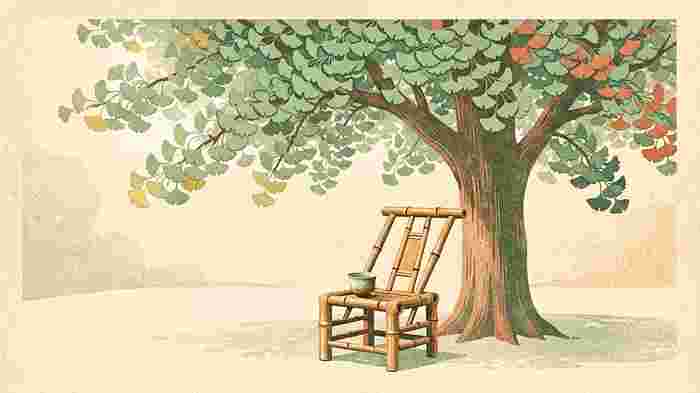
The air is cool under the shade of giant ginkgo trees and green bamboo.
在巨大银杏树和翠竹的遮荫下,空气很凉爽。
You hear the rhythmic clinking of porcelain cups, the laughter of old friends playing mahjong, and
你能听到瓷杯有节奏的叮当声,老友打麻将的欢声笑语,以及
the soft singing of birds and wooden cages hanging from the branches.
挂在树枝上的木鸟笼里传来鸟儿柔和的啼鸣。
You sit down in a low bamboo chair, which is surprisingly comfortable, and order a gaiwan tea.
你坐在矮竹椅上,感觉意外地舒适,然后点了一碗盖碗茶。
Gaiwan means a three -piece tea set.
盖碗的意思是一种三件套茶具。
A saucer, a bowl, and a lid.
一个茶托,一个茶碗,和一个碗盖。
The saucer represents the earth, the lid represents heaven, and the bowl represents humanity.
茶托代表大地,碗盖代表天空,而茶碗则代表人类。
You use the lid to gently scrape the tea leaves away, take a sip of the warm jasmine tea, and just
你用碗盖轻轻刮开茶叶,品一口温热的茉莉花茶,然后
watch the world go by.
静静地看着人来人往。
You can sit there for five hours with just one cup of tea, and nobody will ever ask you to leave.
只要一杯茶,你就可以在那里坐上五个小时,绝不会有人催你离开。
It is the ultimate expression of the slow -paced life. Wow.
这是对慢节奏生活最极致的诠释。哇。
I can almost hear the soft click of the mahjong tiles and smell the fresh jasmine in the air.
我仿佛能听到麻将牌碰撞的轻响,闻到空气中新鲜茉莉花的清香。
It sounds incredibly peaceful.
听起来极其宁静。
But I also heard about some very unique services you can get in these tea houses.
不过我也听说,在这些茶馆里能体验到一些非常独特的服务。
For example, what is tai er?
举个例子,什么是采耳?
Ah, yes.
啊,是的。
Kai er is the art of traditional ear cleaning, and it is a must -try experience, though it might
采耳是一门传统的掏耳朵艺术,是一次必须尝试的体验,尽管
sound a bit strange to foreigners at first.
起初对于外国人来说听起来可能有点奇怪。
In the tea house, you will see professional ear cleaners walking around.
在茶馆里,你会看到专业的采耳师四处走动。
They carry long, thin metal tools that make a distinct ringing sound when vibrated.
他们拿着长而细的金属工具,振动时会发出清晰的鸣响声。
If you hire one, you lean back in your bamboo chair, and they use various tools.
如果你请了一位,只需往竹椅上一靠,他们就会使用各种工具。
Some tipped with soft feathers to clean and massage your ears.
有些工具顶部附有柔软的羽毛,用来清洁和按摩你的耳朵。
It is incredibly relaxing.
这令人极其放松。
The vibration of the tools creates a soothing sensation that washes over your whole body.
工具的震动带来一种舒缓的感觉,席卷你的全身。
It is just another way the people of Chengdu find joy in the smallest, most sensory details of life.
这只是成都人在生活最细微、最富感官色彩的细节中寻找乐趣的另一种方式。
I have to admit, it sounds a little scary, but also deeply relaxing.
我必须承认,听起来有点吓人,但也很令人放松。
I would definitely try it.
我绝对会尝试一下。
And speaking of sensory experiences, we cannot talk about Chengdu without mentioning its legendary food.
说到感官体验,谈论成都就不能不提它那传奇的美食。
Chengdu was actually named a UNESCO City of Gastronomy.
成都实际上被联合国教科文组织评为美食之都。
Sichuan food is famous worldwide.
川菜闻名世界。
But what makes the food in Chengdu so special?
但究竟是什么让成都的美食如此特别呢?
Is it just about the heat and the chili?
难道仅仅是因为辣度和辣椒吗?
That is a very common misconception.
这是一个非常普遍的误解。
Many people think Sichuan food is just about burning your tongue with spicy chili.
很多人以为川菜就是用辣辣椒灼烧你的舌头。
But it is actually highly complex.
但它实际上非常复杂。
The true soul of Sichuan cuisine is ma la.
川菜真正的灵魂是麻辣。
La is the heat from red chilies.
辣是来自红辣椒的灼热感。
But ma is the unique numbing sensation caused by the Sichuan peppercorn, or hua zhao.
但麻是四川花椒引起的独特性麻感。
This peppercorn isn't actually hot.
这种花椒其实并不辣。
Instead, it causes a tingling, buzzing feeling on your lips and tongue.
相反,它会在你的嘴唇和舌头上产生一种酥麻和微颤的感觉。
It is almost like drinking a carbonated soda.
这几乎就像在喝碳酸饮料一样。
When you combine ma and la, it creates a beautiful balance.
当你把麻和辣结合在一起时,就创造出了一种美妙的平衡。
There is a saying in Chengdu, one dish, one style.
成都有一句俗话,一菜一格。
A hundred dishes, a hundred flavors.
百菜百味。
The food plays with sweet, sour, salty, bitter, spicy, and smoky flavors, often all in one bite.
食物融汇了甜、酸、咸、苦、辣和烟熏风味,往往一口就能尝到所有味道。
For example, take mapo tofu.
以麻婆豆腐为例。
It has soft, silky tofu, savory minced meat, bright green garlic shoots, and a rich, deep red sauce
它有软嫩滑爽的豆腐、鲜香的肉末、鲜绿的蒜苗,以及浓郁深红的酱汁
that is spicy, numbing, and deeply comforting.
既麻辣,又带来深深的慰藉。
Oh my goodness, my mouth is watering just listening to you describe that.
天哪,光是听你描述我就流口水了。
I love how you explained ma and la.
我很喜欢你解释“麻”和“辣”的方式。
It really is a complete culinary science.
这确实是一门完整的烹饪科学。
And what about the famous Chengdu hot pot?
那著名的成都火锅呢?
That seems like more than just a meal.
那看起来不仅仅是一顿餐食。
It feels like a social event. Absolutely.
这感觉就像是一场社交活动。绝对是的。
Hot pot is the ultimate social dining experience in Chengdu.
火锅是成都终极的社交用餐体验。
You gather around a large, bubbling metal pot built into the center of the table.
大家聚集在桌子中央嵌入的大型冒泡金属锅旁。
The pot is filled with a rich, aromatic broth made with beef tallow, dozens of spices, red chilies,
锅里装满了用牛油、数十种香料、红辣椒烹制而成的浓郁香气扑鼻的汤底,
and Sichuan peppercorns.
以及四川花椒。
You can also get a split pot with spicy broth on one side and a mild, comforting mushroom or tomato
你也可以选择鸳鸯锅,一边是辣汤,另一边是温和令人舒心的蘑菇汤或番茄汤
broth on the other.
另一边的汤底。
You order plates of thinly sliced beef, fresh mushrooms, lotus root, potato slices, and local
你可以点一盘盘切得薄薄的切片牛肉、鲜菇、莲藕、土豆片以及当地
favorites like goose intestines or bamboo shoots.
喜爱的食材,如鹅肠或竹笋。
You cook the food yourself in the boiling broth, dip it in a bowl of sesame oil and crushed garlic
你在沸腾的汤底里亲自煮熟食物,浸入一碗芝麻油和捣碎的蒜泥中
to cool it down, and eat.
来降温,然后享用。
It is a slow, interactive meal that can last for hours.
这是一顿漫长而具有互动性的用餐,可以持续数小时。
You are cooking, eating, sweating, drinking cold beer, and talking with your friends.
你在边煮、边吃、流汗、喝冰啤酒,并与你的朋友交谈。
It creates a wonderful sense of community and warmth.
它营造了一种美妙的社区归属感与温暖。
It sounds like the perfect way to spend an evening.
听起来这是度过夜晚的完美的方式。
And I suppose after a spicy hot pot, you might need something sweet to cool down your palate?
我想在吃完辣火锅之后,你可能需要一些甜食来缓解你的味觉?
Yes, indeed.
是的,确实。
The locals always pair hot pot with bing fen, which is ice jelly.
当地人总是将火锅与冰粉搭配,冰粉就是冰果冻。
It is a sweet, cold jelly made from the seeds of a native plant, served with brown sugar syrup,
这是一种由本土植物种子制成的甜凉果冻,淋上红糖糖浆,
watermelon cubes, crushed peanuts, and sweet fermented rice.
配上西瓜块、碎花生和甜发酵米(醪糟)。
It is incredibly refreshing and completely puts out the fire in your mouth.
它令人难以置信地清凉爽口,能彻底熄灭你口中的火辣。
That sounds heaven sent.
听起来像是上天赐予的。
Now Daniel, we cannot talk about Chengdu without mentioning its most famous residence, the giant pandas.
丹尼尔,谈到成都,我们就不能不提到它最著名的居所,大熊猫。
Chengdu is home to the giant panda breeding base.
成都是大熊猫繁育基地的所在地。
What was it like visiting them?
去拜访它们感觉如何?
Oh, it is purely magical.
噢,那简直太神奇了。
The Chengdu research base of giant panda breeding is world class.
成都大熊猫繁育研究基地是世界一流的。
It is designed to mimic the natural habitat of the pandas in the mountains of Sichuan with lush
它的设计旨在模仿四川山区大熊猫的自然栖息地,拥有茂密的
bamboo forests and misty air.
竹林和薄雾缭绕的空气。
If you go early in the morning, which I highly recommend because that's when they are most active,
如果你在清晨去——我强烈推荐这样做,因为那是它们最活跃的时候,
you can see them having breakfast.
你可以看到它们在吃早餐。
They sit on their bottoms, holding giant stalks of bamboo, chewing with absolute focus.
它们屁股朝下坐着,拿着粗大的竹茎,全神贯注地嚼着。
They look like cute, fluffy toddlers in bear suits.
它们看起来就像穿着熊装的可爱、毛茸茸的蹒跚学步的小孩。
And the baby pandas are just adorable.
熊猫宝宝更是可爱的。
They roll around, climb trees, and sometimes play fight with each other.
它们打滚、爬树,有时还会互相打架玩耍。
It is impossible to watch them without smiling.
看着它们,你不可能不微笑。
The pandas also represent the spirit of the city so well.
熊猫也非常好地代表了这座城市的精神。
They are gentle, slow -moving, vegetarian, and they spend most of their day eating and sleeping.
它们温和、动作缓慢、是素食主义者,一天中大部分时间都在吃和睡。
They are the ultimate ambassadors for Chengdu's slow lifestyle.
它们是成都慢生活的终极大使。
That is so true.
那太真实了。
The pandas really are the perfect symbol for Chengdu.
熊猫确实是成都完美的象征。
Now Daniel, while Chengdu was famous for its ancient history and slow -paced lifestyle, it is also a
丹尼尔,虽然成都以其古老的历史和慢节奏的生活方式而闻名,但它也是一个
huge modern megacity.
巨大的现代特大城市。
It is a major high -tech hub, a center for fashion, and home to over 20 million people.
它是主要的高科技枢纽、时尚中心,拥有超过2000万人口。
How does Chengdu balance this incredible modern development with its ancient traditions and slow
成都如何平衡这种令人难以置信的现代发展与古老传统及慢
-paced soul?
-节奏的灵魂?
This is actually what amazed me the most during my five years there.
这实际上是我在那里的五年里最让我惊叹的事。
Chengdu has managed to grow into an ultra -modern metropolis without losing its identity.
成都成功发展成为一座超现代化的大都市,同时没有失去自身的特色。
A perfect example of this is a place called Taikuli.
一个完美的例子就是一个叫太古里的地方。
It is a high -end, open -air shopping district with modern glass buildings and luxury fashion brands.
这是一个高端的露天购物街区,拥有现代玻璃建筑和奢华时尚品牌。
But right in the middle of this sleek, modern development, they preserved the ancient Dachi Temple,
但在这一时尚现代的开发区正中央,他们保留了古老的大慈寺,
which is over a thousand years old.
它已有上千年的历史。
So you can see fashionable young people in designer clothes walking past historic gray brick walls.
所以你可以看到穿着设计师服装的时髦年轻人走过历史悠久的青砖墙。
And just outside the luxury shops, you will still find old men sitting under trees drinking cheap tea.
就在奢华的商店门外,你依然能看到老大爷坐在树下喝着平价茶。
The fast -paced modern economy and the slow -paced traditional life do not fight each other.
快节奏的现代经济与慢节奏的传统生活并没有相互冲突。
Instead, they dance together.
相反,它们共同起舞。
People work hard in the high -tech offices during the day, but as soon as they finish work, they
人们白天在高科技办公室里努力工作,但只要一下班,他们
immediately transition back to boshi mode.
就立刻切换回‘博斯’模式。
They go eat hot pot, drink tea, and spend quality time with their families.
他们去吃火锅、喝茶,与家人度过优质的时光。
That is a beautiful way to put it.
这是一个非常美妙的表达方式。
A dance between the fast and the slow.
一场快与慢之间的舞蹈。
It sounds like Chengdu has found a secret recipe for modern living that many other big cities have lost.
听起来成都似乎找到了许多其他大城市已经失去的现代生活秘方。
It is a place that values progress, but values human connection and happiness even more.
这是一个重视进步的地方,但更重视人与人之间的联系和幸福感。
Exactly, Sarah.
完全正确,莎拉。
Living there taught me that we don't have to choose between being successful and being happy.
生活在那里让我明白,我们不必在获得成功和拥有快乐之间做出选择。
We can have both, as long as we remember to slow down, breathe, and enjoy the cup of tea in front of us.
只要我们记得放慢脚步、呼吸,并享受眼前的这杯茶,我们就可以两者兼得。
That is a wonderful lesson for all of us.
这对于我们所有人来说都是一个绝妙的启示。
Daniel, thank you so much for sharing your passion, your stories, and your deep -hearted love for
丹尼尔,非常感谢你分享你的热情、你的故事,以及你对
Chengdu with us today.
成都的深情厚意,在今天与我们分享。
It has been an absolute joy having you on the show.
能邀请你来到节目中,真是绝对的快乐。
Thank you for having me, Sarah.
感谢邀请我,莎拉。
I hope all your listeners get a chance to experience the magic of Chengdu and find their own boshi moment.
我希望所有的听众都有机会感受成都的魔力,找到属于自己的‘博斯’时刻。
And to our listeners, we have a question for you today.
对于我们的听众,今天我们有一个问题想问你们。
If you could visit Chengdu, which experience would you try first?
如果你能去成都游玩,你会首先尝试哪种体验?
Would you sit in a traditional tea house in the park, try the tingling sensation of Sichuan
你是会坐在公园传统的茶馆里,体验四川带来的麻刺感
peppercorns, or visit the giant pandas?
花椒,还是去看看大熊猫?
Please write down your answer in the comments section below, or check out what other listeners are saying.
请在下面的评论区写下你的答案,或者看看其他听众是怎么说的。
If you enjoyed today's journey, we would love for you to join our TalkCast family.
如果你喜欢今天的旅程,我们非常欢迎你加入我们的 TalkCast 大家庭。
You can subscribe to our podcast, share it with your friends, and leave us a review.
你可以订阅我们的播客,分享给你的朋友,并给我们留下评价。
Your support means the world to us.
你的支持对我们来说意味着一切。
Don't forget, you can find the full English transcript and audio of this episode on our website at
别忘了,你可以在我们的网站上找到本期节目完整的英文逐字稿和音频,网址是
www .talkcast .top.
www.talkcast.top。
Please also leave a comment telling us which city or cultural topic you would like us to explore next.
也请留言告诉我们,你希望我们接下来探索哪个城市或文化话题。
We choose our upcoming episodes based on your wonderful suggestions.
我们会根据你们绝妙的建议来选择接下来的节目。
Thank you so much for listening to TalkCast Discovery.
非常感谢收听 TalkCast 探索频道。
Keep exploring, keep learning, and we will see you next time.
保持探索,保持学习,我们下次再见。
Thank you.
谢谢你。
Thank you.
谢谢你。
Thank you.
谢谢你。
Thank you.
谢谢你。