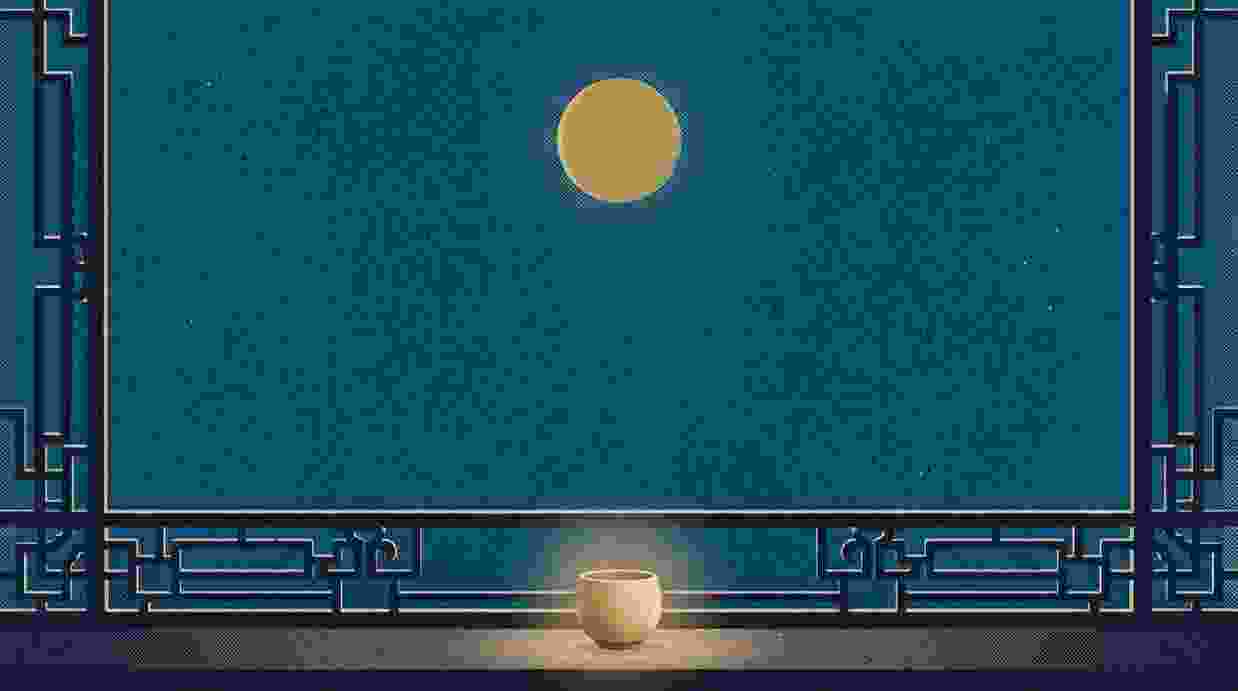
Interactive transcript · 53 lines
Hello, everyone, and welcome back to Talkcast Talk, with our special series Beyond Their Time.
大家好,欢迎回到《播客脱口秀》,收听我们的特别系列节目《超越时代》。
I'm your host, Franklin.
我是你们的主持人富兰克林。
Have you ever looked up at a bright, full moon on a quiet night and felt a sudden, deep ache of
你是否曾在某个安静的夜晚抬头凝望皎洁的满月,心中突然涌起一阵深切的惆怅
longing for someone far away?
对远方某人的思念?
It's a feeling that completely transcends time and space.
这种感觉完全超越了时间和空间。
Well, today, we are diving into a masterpiece of classical Chinese literature that captures this
好吧,今天我们将深入探讨中国古典文学的一部杰作,它捕捉到了
exact emotion with unmatched beauty and philosophical depth.
这种恰如其分的情感,展现出无与伦比的美感和深邃的哲学意蕴。
We are exploring the famous lyric poem, Prelude to Water Melody, written by the legendary Song
我们正在探索这首著名的词《水调歌头》,由宋代传奇
Dynasty poet, Xu Xia.
朝代诗人徐侠撰写。
Now, to give you some context, Xu Xia was a true Renaissance man of 11th century China, a brilliant
现在,为了给你提供一些背景,徐侠是11世纪中国真正的全才,一位才华横溢的
statesman, calligrapher, and poet.
政治家、书法家和诗人。
He wrote this piece during the mid -autumn festival in the year 1076.
他是在1076年中秋节期间创作这首作品的。
At the time, he was politically exiled to a remote post, and he hadn't seen his beloved younger
当时,他在政治上被流放到一个偏远的职位上,已经很久没见过他挚爱的弟弟
brother, Zio, for seven long years.
子由了,整整七年。
Imagine that!
试想象一下!
On a night meant for family reunions, he sat alone under the glorious moon, drinking until dawn.
在一个本该家人团聚的夜晚,他独自坐在皎洁的月光下,饮酒直到天明。
In his drunken state, he picked up his brush and poured his heart out, bridging the physical
在他醉酒的状态下,他拿起画笔倾吐心声,架起了物质上的
distance between him and his brother through the power of words.
距离,拉近了他与弟弟之间通过文字传递的情感。
The poem is a delicate balance of deep sorrow, cosmic curiosity, and ultimate acceptance.
这首诗巧妙地平衡了深沉的悲伤、宇宙般的求知欲以及最终的释怀。
So, without further ado, let us dim the lights and step into Xu Xia's moonlit world.
那么,闲话少说,让我们调暗灯光,走进徐侠那月光照耀的世界。
On the mid -autumn festival of the year Bing Chen, I drank joyfully until dawn and became very drunk.
丙辰中秋,欢饮达旦,大醉,
I wrote this poem, while deeply missing my brother, Zio.
作此篇,兼怀子由。
When will the moon be clear and bright?
明月几时有?
With a cup of wine in hand, I asked the deep blue sky.
把酒问青天。
I do not know, in those celestial palaces on high, what year it is tonight.
不知天上宫阙,今夕是何年。
I long to ride the wind and fly back there, yet I fear those jade towers and gorgeous mansions, for
我欲乘风归去,又恐琼楼玉宇,
the heights are too cold to bear.
高处不胜寒。
Rising to dance and play with my clear shadow, how could it compare to life here in the human world?
起舞弄清影,何似在人间。
The moon rounds the red chamber, stoops to peer through the carved window, shining on the sleepless.
转朱阁,低绮户,照无眠。
It should bear no grudge, yet why is it always so round when people are parted?
不应有恨,何事长向别时圆?
Humans have sorrow and joy, parting and reunion, the moon has cloud and shadow, fullness and wane.
人有悲欢离合,月有阴晴圆缺,
This has been imperfect since time began.
此事古难全。
May we all be blessed with longevity, so that though miles apart, we can share the beauty of this
但愿人长久,
same moon.
千里共婵娟。
Ah, that final line always brings a tear to my eye.
啊,最后那句总是让我的眼里泛起泪花。
May we all be blessed with longevity, so that though miles apart, we can share the beauty of this
但愿人长久,
same moon.
千里共婵娟。
It is just so incredibly comforting, isn't it?
这真是太令人感到安慰了,不是吗?
Instead of drowning in bitterness over the separation, Susha elevates his longing into a shared
苏轼没有沉溺于离别的痛苦中,而是将他的思念升华为一种共同的
cosmic experience.
宇宙般的体验。
He reminds us that even if we are separated by thousands of miles, we are all looking up at the very
他提醒我们,即使我们相隔数千英里,我们所有人都在仰望同一轮
same moon.
明月。
It's a beautiful way to find connection in isolation.
这是在孤独中寻找联系的一种美妙方式。
I would love to hear your thoughts on this timeless piece.
我很想听听你们对这件永恒作品的看法。
So, here is my question for you today, when you look at the moon, who is the first person you think
所以,今天给你们留个问题:当你看着月亮时,你第一个想到的是谁,
of, and what message would you send them?
你会给他们发送什么信息?
Please write down your answers in the comment section below, or take a moment to read what others
请在下方的评论区写下你的答案,或者花点时间阅读其他人
have shared.
分享的内容。
It is always so heartwarming to read your stories.
阅读你们的故事总是那么温馨。
If you enjoyed this journey through classical literature, please consider subscribing, sharing this
如果你喜欢这段穿越古典文学的旅程,请考虑订阅、分享此内容。
episode with a friend, or joining our Talkcast membership to support the show.
与朋友分享单集,或者加入我们的 Talkcast 会员来支持本节目。
Don't forget to leave a comment about which poem or piece of literature you'd like me to read next.
别忘了留言告诉我想让我接下来朗读哪首诗或哪部文学作品。
Until next time, keep looking up, and take care.
下次再见,保持乐观,多加保重。