Interactive transcript · 284 lines
Hello everyone, and welcome back to TalkCast Discovery, off the map, into the world.
大家好,欢迎回到《TalkCast 探索》,离开地图,走向世界。
I am your host, Sarah.
我是你们的主持人莎拉。
Today, we are embarking on a journey to a city that feels like a living museum, a place where the
今天,我们将踏上一段旅程,去往一座宛如活生生博物馆的城市,那里的
air smells of sea salt, ancient incense, and slow -cooked ginger.
空气中弥漫着海盐、古老熏香和慢炖生姜的味道。
It is a city that the famous Italian explorer Marco Polo described as one of the two greatest ports
这就是那座被意大利著名探险家马可·波罗描述为两大最伟大港口之一的城市,
in the world for trade.
在世界上以贸易闻名。
He wrote that if a ship of pepper were to go to Alexandria, a hundred would come to this very harbor.
他写道,如果有一船胡椒运往亚历山大港,就会有一百船来到这同一个港口。
We are talking about the magical, ancient city of Guangzhou, located on the southeast coast of
我们所说的是这座神奇而古老的广州城,它位于福建省的东南海岸,
Fujian Province in China.
中国福建省。
To help us navigate the rich historical waters and colorful streets of this coastal gem, I am
为了帮助我们探索丰富的历史水域和这条沿海明珠色彩斑斓的街道,我
absolutely thrilled to welcome our guest today, David.
非常激动地欢迎我们今天的嘉宾,大卫。
David is a maritime historian and a cultural writer who came to Guangzhou for a brief weekend visit
大卫是一位海洋历史学家和文化作家,他12年前来到广州进行了一次短暂的周末访问,
12 years ago, fell deeply in love with its charm, and decided to make it his permanent home.
便深深爱上了这里的魅力,并决定将这里作为他永久的家。
Welcome to the show, David.
欢迎来到我们的节目,大卫。
Thank you so much for having me, Sarah.
非常感谢你邀请我,莎拉。
It is an absolute pleasure to be here.
能来到这里绝对是我的荣幸。
You know, hearing you talk about Marco Polo brought back the exact feeling I had when I first
你知道,听你谈起马可·波罗,勾起了我第一次时那种确切的感觉,
stepped off the train in Guangzhou more than a decade ago.
那是在十多年前,我刚刚走下广州的火车。
I remember walking down West Street, looking up at these towering ancient twin stone pagodas and
我记得当时走在西街上,抬头仰望这些高耸的古代双石塔,并且
seeing the red brick roofs of the traditional Min Nan houses glowing in the sunset.
看到闽南传统民居的红砖屋顶在夕阳下熠熠生辉。
There was this incredible warmth in the air, not just from the coastal climate, but from the smiles
空气中弥漫着一种令人难以置信的温暖,不仅来自沿海的气候,也来自人们的笑容
of the local people, sitting outside on low wooden stools, sipping tea.
当地人坐在外面的矮木凳上,惬意地品着茶。
I knew right then and there that a couple of days would never be enough to truly understand this place.
我当时立刻就知道,仅仅几天的时间是远远不够真正了解这个地方的。
Guangzhou has a way of pulling you in, wistering stories of ancient merchants, brave sailors, and
广州有一种把你吸引进去的魔力,诉说着古代商贾、勇敢水手和
diverse gods into your ear.
各种各样神明的故事,传入你的耳畔。
That sounds incredibly poetic, David.
这听起来真是有着难以言喻的诗意,大卫。
I think that is exactly what our listeners are looking for, that deep connection to a place.
我想这正是我们听众所寻找的,那种与一个地方的深层联结。
Now, for those who might not be familiar with Guangzhou, it once globally known by another name,
现在,对于那些可能不熟悉广州的人来说,它曾以另一个名字享誉全球,
especially during the Middle Ages.
特别是在中世纪。
Arab and Western traders called it Zeytan.
阿拉伯和西方的商人称它为‘刺桐’(Zeytan)。
Where does that name come from?
这个名字是从哪里来的?
And how did Guangzhou become this bustling global metropolis during the Song and Yuan dynasties?
广州又是如何在宋元时期成为这座繁华的全球大都市的呢?
Yes, Zeytan.
是的,刺桐。
It is such a romantic name.
这是一个如此浪漫的名字。
It actually comes from the Sitong tree, or the Erythrina tree, which is the flame tree.
它实际上来自刺桐树,或者说龙牙花属植物,也就是火焰树。
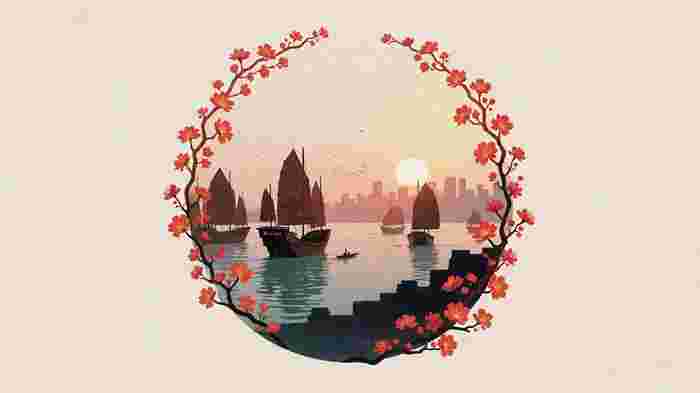
Back in the 10th century, the local ruler of the city ordered these trees to be planted all around
早在10世纪,这座城市的当地统治者就下令在四周种植这些树木
the city walls in the harbor.
也就是城墙和整个港口周围。
When spring came, the entire city would be enveloped in these brilliant fiery red blossoms.
当春天来临时,整个城市都会被这些灿烂夺目的火红花朵所笼罩。
When foreign merchants sailed into the harbor from thousands of miles away, the first thing they saw
当外国的商人们从数千英里外航行进入港口时,他们首先
on the horizon was this glowing ring of red.
在地平线上看到的就是这一圈新红亮光。
The word Sitong in the local dialect sounded like Zeytan to the Arab merchants, and that's how the
当地方言中的“刺桐”一词在阿拉伯商人听来就像是“Zeytan”,这就是该
name spread across the global trade networks.
名称如何在全球贸易网络中传播开来的原因。
Geographically, Guangzhou was perfectly positioned.
从地理上来看,广州的地理位置非常优越。
It sat at the mouth of the Jin River, facing the Taiwan Strait, with deep water bays that could
它坐落在晋江河口,面对着台湾海峡,拥有深水港湾,可以
shield hundreds of massive wooden sailing ships known as Chinese junks.
庇护数以百计被称为“中国戎克船”的巨型木质帆船。
During the Song and Yuan dynasties, from the 10th to the 14th centuries, the Chinese empire embraced
在10至14世纪的宋元时期,中华帝国接纳了
maritime trade.
海上贸易。
Guangzhou became the official starting point of the maritime silk road.
广州成为了海上丝绸之路的官方起点。
It was a golden age.
那是一个黄金时代。
Silk, tea, and delicate blue and white porcelain flowed out of the harbor, while spices, incense,
丝绸、茶叶和精致的青花瓷源源不断地运出港口,而香料、熏香、
precious gems, and glassware from Southeast Asia, India, Persia, and East Africa flooded in. Wow.
来自东南亚、印度、波斯和东非的珍贵宝石和玻璃制品源源不断地涌入。哇。
Can you imagine the sights and sounds of that harbor?
你能想象那个港口的景象和声音吗?
It must have been an absolute sensory explosion.
那一定是一场绝对的感官风暴。
People speaking dozens of different languages.
人们操着数十种不同的语言。
The smell of foreign spices mixing with the local sea air.
异域香料的气味与当地的海风夹杂在一起。
And speaking of this mix of cultures, one of the most unique aspects of Guangzhou is its religious diversity.
说到这种文化的融合,广州最独特的方面之一就是其宗教的多样性。
It is often called the Museum of World Religions.
它经常被称为世界宗教博物馆。
How did so many different faiths manage to survive, and more importantly, peacefully coexist in this
如此多不同的信仰是如何在这座城市生存下来,更重要的是,和平地共存。
one coastal city?
这一座沿海城市里的?
That is honestly my absolute favorite thing about Guangzhou, Sarah.
萨拉,说实话,这绝对是我最喜欢广州的地方。
The tolerance of this city is unmatched in history.
这座城市的宽容在历史上是无与伦比的。
In many parts of the medieval world, religious differences led to devastating wars.
在中世纪世界的许多地方,宗教分歧导致了毁灭性的战争。
But in Guangzhou, merchants of all faiths lived side by side, because they relied on each other for trade.
但在广州,所有信仰的商人都并肩生活,因为他们依靠彼此进行贸易。
They realized that peace was good for business, and the local Chinese authorities were incredibly welcoming.
他们意识到和平有利于商业,而中国当地的官方也极其欢迎他们。
If you walk down Tumen Street today, you can see this coexistence in the span of just a few hundred meters.
如果你今天走在涂门街上,在短短几百米的距离内,你就能看到这种共存。
On one side, you have the Guan Yu Temple, which is a lively, incense -filled temple dedicated to Guan
在一侧,有关帝庙,这是一座香火旺盛、热闹非凡的寺庙,供奉着关
Yu, the god of brotherhood and wealth, and Yuefei.
羽——代表手足情谊与财富的神,以及岳飞。
Just a short walk down the same street stands the Qingjing Mosque, also known as the Ashob Mosque.
沿着同一条街走几步就是清净寺,也被称为阿修布清真寺。
It was built in the year 1009, and is one of the oldest Arab -style mosques in China, constructed
它建于1009年,是中国最古老的阿拉伯风格清真寺之一,建造
from massive granite blocks with a grand arched entrance.
采用巨大的花岗岩石块,配有宏伟的拱形入口。
And then, just a little further, is the Grand Confucius Temple.
然后,再往前走一点,就是著名的大孔庙。
It is like a physical map of human belief, all sharing the same neighborhood.
这就像是一幅人类信仰的实体地图,全部共享着同一个街区。
That is truly beautiful.
那真美。
But wait, I heard there is an even more surprising connection.
不过等等,我听说还有一个更令人惊讶的联系。
Isn't there a famous Buddhist temple in Guangzhou that actually contains Hindu carvings?
广州难道没有一座著名的佛教寺庙,里面其实含有印度教的雕刻吗?
That seems almost impossible for that era.
在那个时代,这似乎几乎是不可能的。
It is absolutely true, and it is mind -blowing when you see it with your own eyes.
这绝对是真的,当你亲眼看到它时,会感到无比震撼。
We are talking about the famous Kaiyuan Temple, the largest Buddhist temple in Fujian province,
我们说的是著名的开元寺,它是福建省最大的佛教寺庙,
originally built in the 7th century.
最初建于公元7世纪。
If you walk into the main hall and look closely at the stone pillars supporting the back of the
如果你走进大雄宝殿,仔细观察支撑大殿后部的石柱,
building, you will notice something highly unusual for a Buddhist temple.
你会注意到对于佛教寺庙来说极其不同寻常的一些东西。
Carved into the grayish -green granite are detailed reliefs depicting scenes from Hindu mythology.
雕刻在灰绿色花岗岩上的是描绘着印度教神话场景的精细浮雕。
You can see the god Vishnu riding his mythical bird Garuda, and stories of Lord Krishna playing his flute.
你可以看到毗湿奴神骑着他的神鸟迦楼罗,以及黑天神吹奏笛子的故事。
Now, why are these here?
那么,为什么这些东西会在这里?
Well, back in the 13th century, there was a large and highly influential community of Tamil
话说在13世纪,有一个规模庞大且极具影响力的泰米尔人社区
merchants from southern India living in Guangzhou.
来自印度南部的商人生长生活在广州。
They had built their own grand Hindu temple in the city.
他们在城里建造了自己宏伟的印度教寺庙。
Later on, when that Hindu temple was destroyed or fell into ruin, the local builders of the Kaiyuan
后来,当那座印度教寺庙被毁或沦为废墟时,开元寺的当地建造者
Temple saved these beautiful stone pillars and incorporated them into the Buddhist hall.
抢救了这些美丽的石柱,并将它们融入到大雄宝殿之中。
To me, this is the ultimate symbol of Guangzhou.
对我来说,这是广州最终极的象征。
It shows that the people here did not see other cultures as a threat.
这表明这里的人们并没有将其他文化视为威胁。
Instead, they saw beauty and value, and they chose to preserve it.
相反,他们看到了美和价值,并选择将其保存下来。
That gives me goosebumps, David.
大卫,这让我起鸡皮疙瘩。
It is such a powerful message of harmony.
这是一个如此强有力的和谐信号。
It seems the local beliefs are also deeply tied to the sea.
似乎当地的信仰也与海洋紧密联系在一起。
I know that Mazu, the goddess of the sea, is incredibly important in this region.
我知道妈祖,这位海洋女神,在这一地区极其重要。
Did the foreign sailors also pray to her?
外国的船员也会向她祈祷吗?
Oh, absolutely.
哦,当然。
The Tianhou Temple in Guangzhou is the oldest and largest temple dedicated to Mazu.
广州的天后宫(妈祖庙)是供奉妈祖最古老、规模最大的庙宇。
Before any captain set sail on the dangerous journey across the South China Sea, they would come to
在任何船长启航踏上穿越南中国海的危险旅程之前,他们都会来到
this temple to burn incense and pray for safe passage.
到这座寺庙上香,祈求旅途平安。
Even the imperial envoys sent by the Chinese emperor would hold grand ceremonies here.
甚至连中国皇帝派出的朝廷使节也会在这里举行盛大的仪式。
And what's fascinating is that foreign merchants, even if they were Muslim or Christian, would often
而最引人入胜的是,外国商人,即使他们是穆斯林或基督徒,也常常会
join in or show deep respect for Mazu.
参与其中,或者对妈祖表示深切的敬意。
When you are out on the open ocean facing a terrifying typhoon, you want all the divine protection
当你身处广阔的海洋,面对恐怖的台风时,你会渴望得到所有能得到的神圣庇佑
you can get.
你能获得的。
The ocean has a way of making people humble.
海洋总有办法让人变得谦逊。
And in Guangzhou, that humility translated into a deep respect for whatever God could keep you safe.
而在广州,这种谦逊转化为对任何能保佑你平安的神明的深切敬意。
That makes complete sense.
这完全说得通。
Now, let's step away from the temples for a moment and talk about the people who make Guangzhou so
现在,让我们暂时离开这些寺庙,聊聊那些让广州变得如此
vibrant today.
如今充满活力的人们。
When people think of Guangzhou, they often picture the Sunpu women, or Sunpunu, with their famous
当人们想到广州时,往往会想象出蟳埔女的形象,以及她们著名的
and incredibly beautiful floral headwear.
和令人难以置信的精美鲜花头饰。
I have seen photos of this, and it looks like they are wearing actual gardens on their heads.
我看过这方面的照片,看起来她们就像在头上戴了一座真正的花园。
Can you tell us about this tradition?
你能跟我们讲讲这个传统吗?
Oh, the Sunpu women are national treasures.
哦,蟳埔女可是国家的瑰宝。
Sunpu is a small, historic fishing village just a few kilometers outside the city center.
蟳埔是一个面积不大、底蕴深厚的历史渔村,距离市中心只有几公里。
The women there have kept their unique traditions alive for centuries.
那里的女性几个世纪来一直保留着她们独特的传统。
Their most famous tradition is called the jahua, or the flower crown.
她们最著名的传统被称为‘簪花围’,也就是鲜花花冠。
They comb their hair back, pin it with a long bone hairpin, which is actually made from oyster
她们把头发往后梳,用一根长长的骨质发簪固定住,这种发簪实际上是用海蛎
shells or wild animal bones, and then they wind fresh, colorful flower buds around their hair in
壳或野生动物骨头制成的,然后她们将新鲜多彩的花蕾缠绕在头发上,
circular rows.
围成一圈圈的圆形。
They use jasmines, frangipanes, chrysanthemums, and carnations.
她们使用茉莉花、鸡蛋花、菊花和康乃馨。
The result is a vibrant, blooming halo.
呈现出来的效果就像一个色彩斑斓、竞相绽放的光环。
What's amazing, Sarah, is that this is not just for special holidays.
令人惊叹的是,莎拉,这不仅仅是在特殊节日里才戴。
Even today, you will see elderly women in their 70s and 80s wearing these bright flower crowns while
即使在今天,你也会看到七八十岁的年长女性戴着这些鲜艳的花冠,
sitting on the docks, shucking oysters, or selling fish.
坐在码头边,剥着海蛎,或者卖着鱼。
It is a daily celebration of life and beauty.
这是对生命与美丽日常的庆祝。
That is such a gorgeous image.
那真是一幅如此绚丽的画面。
It really shows a pride in their identity.
这确实展现了她们对自身身份的自豪感。
But is there a historical connection between these flowers and the maritime silk road as well?
不过,这些鲜花与海上丝绸之路之间,是否也有着某种历史渊源呢?
You have a fantastic eye for history, Sarah.
莎拉,你对历史的眼光真是太独到了。
Yes, there is.
是的,确实有。
Many of the flowers used in the shuenpu headwear, like the Arabian jasmine and the frangipani, are
蟳埔头饰中使用的许多花朵,比如阿拉伯茉莉和鸡蛋花,
not native to China.
并非中国本土品种。
They were actually brought to Kwanso by Arab merchants during the Song and Yuan dynasties.
它们实际上是在宋元朝代由阿拉伯商人带到泉州的。
The local women began planting them, and over time, these exotic flowers became a central part of
当地女性开始种植它们,随着时间的推移,这些外来花卉成了她们
their traditional dress.
传统服饰的核心部分。
Even the houses in Shuenpu village are historic.
甚至蟳埔村的房子也很有历史。
Many of them are built from oyster shells.
其中许多房子是用海蛎壳建造的。
During the ancient trade era, Chinese merchant ships would empty their cargo of silk and porcelain
在古代贸易时期,中国的商船会卸空其运载的丝绸和瓷器
in foreign ports.
在外国的港口。
And to stabilize the empty ships for the return journey, they would load them with large, heavy
而在返航时,为了稳定空船,他们会装载大量沉重的
oyster shells from the East African coast.
来自东非海岸的蚝壳。
When they returned to Kwanso, they discarded these shells on the shore.
当他们回到泉州时,便把这些贝壳丢弃在岸边。
The resourceful locals gathered them up and used them to build walls.
机智的当地人把它们收集起来,用来建造墙壁。
These oyster shell houses are warm in the winter, cool in the summer, and can resist the salty ocean
这些蚝壳房冬暖夏凉,还能抵御带咸味的海洋
wind for hundreds of years.
海风吹拂达数百年之久。
It is a perfect example of ancient recycling.
这是古代循环利用的完美范例。
That is mind -blowing.
这太令人震撼了。
So the very walls of their homes are made of shells that travel thousands of miles across the ocean
所以他们房子的墙壁竟然是由跨越数千英里大洋的贝壳做成的
from Africa.
来自非洲。
It is like the entire village is literally built from the remnants of global trade.
就像整个村庄完全是由全球贸易的遗迹建造而成的。
I love that so much.
我太喜欢那个了。
Now let's talk about the sounds of Kwanso.
现在让我们来谈谈泉州的声音。
There is a very famous ancient form of music that originates from this region called Nanyin, or
这里有一种非常著名的古老音乐形式,起源于这个地区,被称为“南音”,或者
Southern Sound.
南方之音。
I understand it is considered a living fossil of Chinese music.
我理解它被认为是中国音乐的活化石。
What does it sound like and what makes it so special?
它听起来像什么,又是什么让它如此特别?
Nanyin is incredibly special.
南音极其特别。
It dates back more than a thousand years to the Han and Tang dynasties.
它可以追溯到一千多年前的汉唐朝代。
When northern Chinese people migrated south to Fujian to escape wars, they brought their court music
当中国北方人为了躲避战乱向南迁移到福建时,他们带来了他们的宫廷音乐
with them.
随他们一起。
In the isolated valleys and coastal areas of Fujian, this music was preserved, while it largely
在福建偏僻的山谷和沿海地区,这种音乐被保留了下来,而它在北方很大程度上
disappeared in the north.
在北方消失了。
What makes Nanyin unique is its instruments and its slow, meditative tempo.
使南音独特的是它的乐器以及它缓慢、冥想般的节奏。
It uses a horizontal pipa, which is an ancient lute played sideways, unlike the modern vertical pipa.
它使用横抱的琵琶,这是一种横着弹奏的古老琵琶,不同于现代的竖抱琵琶。
It also uses a bamboo flute called a dong xiao, which is played straight down.
它还使用一种叫做洞箫的竹笛,是直着吹奏的。
The music is very soft, elegant, and almost haunting.
这种音乐非常柔和、优雅,几乎有些令人难忘。
The singer holds a set of wooden clappers called paiban, which they strike together to keep the
歌手手持一副叫做拍板的木制板,他们把它们敲击在一起以保持
slow, steady beat.
缓慢、稳定的节奏。
The lyrics are sung in the ancient Minnan dialect, which has eight tones and sounds very poetic.
歌词是用古老的闽南方言演唱的,它有八个声调,听起来非常诗意。
When you sit in a traditional tea house in Kwanso, with a cup of hot tea in your hand, and the soft
当你坐在泉州传统的茶馆里,手里端着一杯热茶,而温柔的
notes of Nanyin begins to float through the air, time just slows down.
南音的音符开始在空气中飘荡,时间就这样慢了下来。
You feel like you have traveled back to a Tang dynasty courtyard.
你感觉自己仿佛穿越回了唐代的庭院。
Oh, you are making me want to book a flight to Kwanso right this second, David.
噢,戴维,你现在就想让我预订飞往泉州的机票了。
You mentioned tea, and we absolutely cannot talk about Chinese culture without talking about tea and food.
你提到了茶,而我们谈论中国文化绝对离不开茶和食物。
Kwanso is famous for its culinary delights, and is also close to Ongsi, the birthplace of the
泉州因其烹饪美食而闻名,同时也靠近安溪,那是
legendary tea guanyin oolong tea.
传奇茶叶铁观音乌龙茶的发源地。
What is the food culture like there?
那里的饮食文化是怎样的?
If we were spending a day eating in Kwanso, what would we have?
如果我们在泉州度过一天的美食之旅,我们会吃些什么?
Get ready, because Kwanso is a food lover's paradise.
准备好,因为泉州是美食爱好者的天堂。
The food here is all about fresh, local ingredients, with a perfect balance of savory, sweet, and
这里的食物讲究新鲜的本地食材,完美平衡了咸、甜和
herbal flavors.
草本风味。
Let's start our day with breakfast on West Street.
让我们在西街吃早餐开始新的一天吧。
We would grab a bowl of mian shen hu, which is a delicate, silky noodle -thread soup.
我们会来一碗面线糊,这是一种细腻、丝滑的面线汤。
The broth is cooked for hours using dried shrimp, oysters, and pickbones.
高汤是用干虾、牡蛎和猪骨熬制数小时而成的。
It's thickened with starch, and then you can choose your toppings.
它是用淀粉勾芡变稠的,然后你可以选择你的配料。
I always go for fresh squid, poor contestants, and a hot, crispy yotiao, which is a fried doughstick.
我总是选择新鲜的鱿鱼、醋肉和一根热腾腾、酥脆的油条(炸面棍)。
You dip the crispy doughstick into the hot soup, and it absorbs all that wretch seafood flavor.
你把酥脆的油条浸入热汤中,它就会吸收所有那鲜美的海鲜风味。
It is the ultimate comfort food.
这是极致的治愈美食。
Oh, my mouth is watering already.
噢,我的嘴里已经开始流口水了。
What about lunch or dinner?
那午餐或晚餐呢?
I have heard there is a very famous duck dish that uses a lot of ginger.
我听说有一种非常著名的鸭肉菜肴,里面用了大量的姜。
Ah, you are talking about Jiangmu -ya, or ginger duck.
啊,你说的是姜母鸭,也就是生姜鸭。
This is the king of Kwanso's street food.
这是泉州街头小吃的王者。
If you walk down the old alleys in the afternoon, you will smell it before you see it.
如果你下午走在古老的小巷里,你还没看到它就会先闻到它的香味。
It is cooked in rows of black clay pots sitting over gas burners on the sidewalk.
它是放在人行道燃气灶上成排的黑色砂锅里煮的。
Each pot contains a whole duck, slow -cooked with a massive amount of sliced old ginger, black sesame
每只砂锅里都有一整只鸭子,加入大量的陈姜片、黑芝麻慢炖
oil, and local rice wine.
油和当地的米酒。
The duck simmers in the pot for hours until the meat is so incredibly tender that it literally falls
鸭肉在锅里慢炖数小时,直到肉质变得无比鲜嫩,简直到了
off the bone.
脱骨的程度。
The skin turns a deep, caramelized golden brown, and it has this intense, sweet, spicy warmth from
鸭皮变成深焦糖金黄色,并且带有一种强烈的、香甜微辣的温暖感,这来自于
the ginger.
生姜。
It is delicious, and is also believed to be very healthy, helping to balance the body's energy in
它不仅美味,而且还被认为非常健康,有助于平衡体内的能量,以适应
the damp coastal climate.
潮湿的沿海气候。
And for a snack, you must try the oyster omelet, or oajon.
至于小吃,你一定要尝尝生蚝煎,或者叫‘蚵仔煎’。
They mix fresh, plump local oysters with sweet potato starch and chopped leeks.
他们将新鲜、饱满的当地生蚝与红薯淀粉和切碎的青蒜混合在一起。
Fry it on a flat iron griddle until the edges are super crispy, and then pour a beaten egg over it.
在平底铁饼铛上煎,直到边缘变得超级酥脆,然后淋上打散的蛋液。
It is served with a sweet and spicy red chili sauce.
食用时搭配甜辣红椒酱。
The contrast between the crispy edges, the chewy starch, and the juicy sweet oysters is just heavenly.
酥脆的边缘、软糯有嚼劲的淀粉与鲜美多汁的生蚝之间的对比,简直是人间美味。
That contrast of textures sounds absolutely divine, David.
那种口感的对比听起来真是太美妙了,大卫。
It is amazing how much of Guangzhou's culture is preserved in its daily life.
广州有如此多的文化在日常生活中得以保留,这真是太令人惊叹了。
There is a popular saying in China about Guangzhou, banchan yanhuo banchang sian, which translates
在中国流传着一句关于广州的俗语,“半餐烟火半场仙”,这句话翻译过来
to half smoke and fire, half immortals.
就是“一半是人间烟火,一半是神仙”。
What does that mean to you living there?
对于生活在那里的你来说,这意味着什么?
That saying perfectly captures the soul of Guangzhou, Sarah.
这句话完美地捕捉到了广州的灵魂,莎拉。
Yanhuo, or smoke and fire, represents the earthly, bustling daily life.
“烟火”代表着世俗、繁忙的日常生活。
The sizzling food stalls, the noisy night markets, and the gossip of neighbors.
滋滋作响的小吃摊、喧闹的夜市,以及邻里间的闲聊。
Xian represents the immortals, the gods, and the spiritual world.
“仙”则代表着神仙、神明和精神世界。
In most modern cities, these two worlds are completely separated, but in Guangzhou, they are
在大多数现代城市中,这两个世界是完全分离的,但在广州,它们却
seamlessly woven together.
无缝地融合在一起。
The gods are treated like neighbors.
神明被对待得就像邻居一样。
For example, local people do not just go to temples on major holidays.
例如,当地人不仅在重大节日里才去寺庙。
They go when they are deciding whether to buy a house, when their children are taking exams, or even
他们买房做决定时去,孩子们参加考试时去,甚至在
when they are having an argument with a spouse.
与配偶发生争吵时也会去。
They use these crescent -shaped wooden blocks called jiaobei to ask the gods for advice.
他们用这些被称为“角杯”(珓杯)的新月形木块向神明寻求指引。
They throw them on the ground, and the way they land gives a yes or no answer.
他们把它们扔在地上,根据它们落地的形态来得到“是”或“否”的答案。
You will see a grandmother praying to a deity, and right next to her, a young teenager in a trendy
你会看到一位老奶奶正在向神明祈祷,而就在她身边,一个穿着时尚的
outfit doing the exact same thing.
服装,在做着完全相同的事情。
The sacred and the secular live in perfect harmony.
神圣与世俗完美和谐地共存。
It creates a very comforting atmosphere.
这营造出一种非常令人欣慰的氛围。
You feel like you are never truly alone, because the history and the spirits of the ancestors are
你会觉得你从未真正孤单,因为历史和祖先的神灵
always right there, walking the streets with you.
一直就在那里,陪你一起走在街上。
That is a beautiful way of looking at it.
这真是一个美好的视角。
It sounds like a city that has managed to hold on to its soul, even in the 21st century.
这听起来像是一座即使在21世纪也设法守住了自己灵魂的城市。
Speaking of the modern era, Guangzhou was officially inscribed as a UNESCO World Heritage Site in 2021.
说到现代,广州在2021年被正式列入联合国教科文组织世界遗产名录。
How has this recognition changed the city, and how are the younger generations keeping these ancient
这种认可给这座城市带来了怎样的改变?年轻一代又是如何保持这些古老
traditions alive?
传统生生不息的?
The UNESCO recognition was a huge milestone for the city, and it was so well -deserved.
联合国教科文组织的认可是这座城市的一个巨大里程碑,而且它确实当之无愧。
22 specific sites across the city were recognized, including the ancient temples, the old stone
全市共有22处具体遗址获得认定,其中包括古寺庙、古石
bridges like the Loyong Bridge, and the ancient docks.
桥(如洛阳桥)以及古码头。
What I love is that the government and the locals did not turn the old city into a sterile tourist
我喜欢的是,政府和当地人并没有把这座老城变成一个毫无生气的旅游
theme park.
主题公园。
People still live in the old red -brick houses.
人们依然住在老旧的红砖房里。
The street vendors are still there.
街头小贩依然还在那里。
But it has brought a wonderful sense of pride, especially to the youth.
但它带来了一种极佳的自豪感,尤其是对年轻一代而言。
For a long time, young people in China wanted to move to megacities like Shanghai or Shenzhen.
长期以来,中国的年轻人一直渴望搬到像上海或深圳这样的大都市。
But now there is a massive trend of young people returning to Guangzhou.
但现在,年轻人重返广州已经成为一种巨大的趋势。
They are opening creative coffee shops in old historic buildings, blending traditional elements.
他们在历史悠久的古建筑中开办创意咖啡馆,将传统元素与现代完美融合。
For example, you can get a latte flavored with local angxi tiguanyan tea.
例如,你可以喝到一杯融入了当地安溪铁观音风味的拿铁。
Young designers are using traditional minnan red -brick patterns in modern fashion.
年轻的设计师们正在将传统的闽南红砖图案融入现代时尚中。
Even the ancient non -yin music is being blended with modern rock and electronic music by young local bands.
甚至古老的南音也在被年轻的本土乐队与现代摇滚和电子音乐相融合。
It's not about keeping the culture in a glass display case.
这不是要把文化锁在玻璃展示柜里。
It's about letting it grow and adapt.
而是要让它成长和适应。
That is how a culture truly stays alive.
这才是文化真正保持生命力的方式。
That is so inspiring, David.
这太有启发性了,大卫。
It shows that heritage is not just about looking backward, but about moving forward while carrying
它表明,遗产不仅是向后看,而且是在向前迈进的同时携带着
your identity with you.
你自己的身份认同。
I want to thank you so much for sharing your passion and your deep knowledge of Guangzhou with us today.
非常感谢你今天与我们分享你对广州的热情和深厚知识。
You have truly brought the city to life for our listeners.
你真的为我们的听众展现了一个活生生的城市。
It was my absolute pleasure, Sarah.
这绝对是我的荣幸,萨拉。
I hope all of your listeners get the chance to walk the ancient stone streets of Guangzhou someday,
我希望你们所有的听众有一天都有机会漫步在广州古老的石板路上,
to hear the soft notes of non -yin, and to taste the wonderful ginger duck.
去聆听南音柔和的音符,去品尝美味的姜母鸭。
It is a place that will stay in your heart forever.
这是一个会永远留存在你心中的地方。
What a perfect note to end on.
这真是一个完美的收尾。
Well, dear listeners, we have reached the end of this episode of Talkcast Discovery.
好了,亲爱的听众们,我们已经到了本期 Talkcast Discovery 的尾声。
Before we say goodbye, we have a little question for you based on our conversation today.
在说再见之前,根据我们今天的对话,我们有一个小问题要问大家。
We would love to know, which of the unique aspects of Guangzhou we discussed today intrigued you the most?
我们很想知道,今天讨论的广州独特的方面中,哪一个最吸引你?
Was it the Hindu stone carvings in the Buddhist temple, the beautiful flower crowns of the Sunpu
是佛教寺庙里的印度教石雕,还是浔埔女美丽的
women, or perhaps the mouth -watering ginger duck cooked in clay pots?
妇女,又或许是用砂锅烹制的令人垂涎欲滴的姜母鸭?
Please write down your answer in the comment section below, or check out what other listeners are saying.
请在下方的评论区写下您的答案,或者看看其他听众都在说些什么。
If you enjoyed this episode and want to support us, please consider subscribing to Talkcast, joining
如果您喜欢本期节目并想支持我们,请考虑订阅 Talkcast,加入
our membership program, and sharing this episode with your friends who are learning English or love travel.
我们的会员计划,并将本期节目分享给您正在学习英语或热爱旅行的朋友。
Your support keeps us going.
您的支持是我们前进的动力。
Also, don't forget that the full English transcript and audio of this series are regularly updated
此外,不要忘记本系列的英文完整文字稿和音频会定期更新
on our website at www .talkcast .top, so please head over there if you want to study the language in
在我们的网站 www.talkcast.top 上,所以如果您想学习这门语言,请前往该网址,以
more detail.
获取更多细节。
Finally, we want to hear from you.
最后,我们想听听您的声音。
Please leave a comment telling us which destination or cultural topic you would like us to explore
请留言告诉我们您希望我们在下一期探索哪个目的地或文化主题。
in our next episode.
在我们的下一期节目中。
I will be looking through your suggestions to choose our next adventure.
我将浏览您的建议,以选择我们的下一次冒险。
Until next time, keep exploring, keep learning, and keep traveling off the map and into the world.
下期再见,保持探索,保持学习,继续走出地图,走向世界。
I am Sarah, and this is Talkcast Discovery. Goodbye.
我是萨拉,这里是 Talkcast Discovery。再见。