Interactive transcript · 250 lines
Hello, everyone, and a very warm welcome to another episode of TalkCast Discovery, the podcast where
大家好,非常热烈地欢迎收听《播客探索》的又一期节目,在这里
we go off the map and deep into the world.
我们跳出地图的疆界,深入探索这个世界。
I'm your host, Sarah.
我是你们的主持人莎拉。
Today, we are embarking on a journey to a corner of Southeast China that feels like a beautifully
今天,我们正在踏上去往中国东南部一个角落的旅程,那里感觉就像是一个美丽地
preserved secret.
保存完好的秘密。
Imagine walking down narrow, cobblestone streets lined with old banyan trees, where the air is sweet
想象一下,走在狭窄的鹅卵石街道上,两旁排列着古老的榕树,空气中弥漫着甜美的气息
with the scent of blooming narcissus flowers and roasting tea leaves.
伴随着盛开的水仙花香和烘焙茶叶的香气。
Imagine giant, circular fortress -like homes hidden in misty green mountains, and the gentle,
想象一下隐匿在薄雾笼罩的群山之中的巨大圆形堡垒般住宅,以及那温柔、
rhythmic sound of a local opera drifting out from a wooden courtyard.
地方戏曲从木质庭院中飘出的有节奏的声音。
Yes, today we are exploring the enchanting city of Zhangjou, located in southern Fujian province,
是的,今天我们要探索坐落于福建省南部的迷人的漳州市,
and to guide us through this cultural paradise, I am absolutely delighted to welcome our guest
为了引导我们游览这个文化天堂,我非常高兴地迎接我们的嘉宾
today, David.
今天的嘉宾,大卫。
David is a cultural researcher and travel writer who lived in Zhangjou for five wonderful years,
大卫是一位文化研究员和旅行作家,他在漳州度过了五个美好的年头,
documenting its oral histories and local traditions.
记录着这里的口述历史和地方传统。
Welcome to the show, David.
欢迎来到我们的节目,大卫。
Thank you so much, Sarah.
非常感谢你,莎拉。
It is an absolute pleasure to be here with you and your listeners.
能来到这里,与你和听众朋友们交流,真是我的莫大荣幸。
Just hearing you describe Zhangjou brings back a flood of warm memories.
光是听你描述漳州,就勾起了我无数温馨的回忆。
You know, when people think of Fujian province, they often flock to the famous island of Xiamen or
要知道,当人们想到福建省时,他们往往会蜂拥而至著名的厦门岛,或者
the rocky cliffs of Wui Mountain.
武夷山陡峭的悬崖峭壁。
But for me, Zhangjou is the true beating heart of Minnan culture, which is the southern Fujian culture.
但对我来说,漳州才是闽南文化(即福建南部文化)真正的、仍在跳动的心脏。
It is a place where history isn't locked behind glass museum cases.
在这里,历史并没有被锁在博物馆的玻璃展柜后面。
It is lived every single day, on the street corners, in the local markets, and around the family tea tables.
它活在每一天里,活在街头巷尾、当地的市场中,以及家家户户的茶桌旁。
I am so excited to share some of my favorite stories and hidden spots with everyone today.
今天我非常兴奋能与大家分享我最喜欢的一些故事和隐秘角落。
I love that perspective, David.
我很喜欢那个视角,大卫。
The idea of history being lived, not just displayed.
历史不仅是用来展示的,更是用来体验生活的这种想法。
Let's start with that history.
让我们从这段历史开始吧。
Zhangjou has a very rich and deep past, dating back over 1300 years.
漳州有着非常丰富而深厚的过去,可以追溯到 1300 多年前。
For our listeners who are new to this region, how did Zhangjou grow into the cultural hub it is today?
对于那些第一次了解这个地区的听众,漳州是如何发展成为今天的文化中心的?
What shaped its unique geographical and historical identity?
是什么塑造了它独特的地理和历史特征?
Well, to understand Zhangjou, you have to look at its geography.
嗯,要了解漳州,你必须看看它的地理。
It sits in a fertile basin fed by the Jilong River, or Nine Dragons River, right before it empties
它坐落在一个肥沃的盆地中,由九龙江(即九条龙之河)滋养,紧邻其注入
into the Taiwan Strait.
台湾海峡。
This strategic location made it a crucial player in maritime trade.
这一战略位置使其成为海上贸易的重要参与者。
During the late Ming dynasty, around the 16th and 17th centuries, there was a port in Zhangjou
在明朝晚期,大约在 16 和 17 世纪,漳州有一个港口
called Yuegang, which translates to Crescent Port.
名叫月港,翻译过来就是‘新月港’。
Now, Yuegang was fascinating, because during a time when the imperial court restricted foreign
现在的月港非常迷人,因为在那个朝廷限制外国
trade, Yuegang was the only official port open for private overseas trade in southern China.
贸易的时期,月港是中国南方唯一开放用于私人海外贸易的官方港口。
It became a bustling terminal on the maritime silk road.
它成为了海上丝绸之路上一个繁华的终点站。
Ships loaded with silk, tea, and incredibly beautiful Zhangjou porcelain, often called swatoware,
装满丝绸、茶叶和精美绝伦的漳州瓷器(通常被称为汕头器)的船只,
sailed from here to Southeast Asia, Europe, and the Americas.
从这里航行到东南亚、欧洲和美洲。
In return, silver from the New World poured into Zhangjou.
作为回报,来自新大陆的白银涌入了漳州。
This wealth funded the beautiful architecture and rich artistic traditions that we can still see in
这些财富资助了我们今天依然能在该城市中看到的那些美丽的建筑和丰富的艺术传统
the city today.
今天的这个城市。
Oh, wow.
哦,哇。
A key gateway of the maritime silk road.
海上丝绸之路的一个关键门户。
That explains why the city has such an open, welcoming, and yet deeply traditional atmosphere.
这解释了为什么这座城市拥有如此开放、包容、却又底蕴深厚的传统氛围。
And speaking of architecture, when you walk through the historic center of Zhangjou, what does it
说到建筑,当你漫步在漳州那历史悠久的中心区,它会给你什么样的
feel like?
感觉呢?
I believe they call it the Zhangjou Ancient City, right?
我相信人们称它为漳州古城,对吗?
Yes, the Zhangjou Ancient City, or Zhangjou Guchen.
是的,漳州古城,或者叫漳州古城。
Walking into it is truly like stepping through a portal in time.
走入其中真的就像穿过一道时间传送门。
The area covers a large network of streets that preserve the traditional Ming and Qing dynasty layouts.
这个区域涵盖了庞大的街道网络,保存了传统的明清两代布局。
The most striking architectural feature you'll notice is the kilu, or arcade buildings.
你会注意到的最瞩目的建筑特色是骑楼,即拱廊建筑。
These are historic structures where the second floor projects outward over the sidewalk, supported
这些是历史悠久的结构,其二楼向外延伸到人行道上方,并由
by columns.
由柱子支撑。
This design creates a covered walkway along the street.
这种设计沿街创建了一条有遮蔽的通道。
It is brilliant, really, because it protects pedestrians from the fierce subtropical sun and the
这真的很妙,因为它能保护行人免受烈日暴晒以及
sudden heavy downpours that are so common in southern China.
中国南部非常常见的突降暴雨。
As you walk under these arcades, you pass tiny shops that have been run by the same families for generations.
当你在这些拱廊下漫步时,会路过那些由同一个家族经营了数代的小店。
Blacksmiths, traditional medicine shops, bamboo weavers, and lantern makers.
铁匠铺、中药店、竹编作坊和灯笼作坊。
There is a beautiful tactile quality to it.
它有一种美好的触觉质感。
You hear the clatter of wooden mahjong tiles, the whistle of boiling kettles, and the gentle,
你能听到木质麻将牌的碰撞声、烧开水壶的鸣笛声,以及
melodic sounds of the Minnan dialect being spoken all around you.
身边传来的悦耳的闽南话声音。
It is a complete sensory immersion.
这是一种完全的感官沉浸体验。
That sounds incredibly picturesque.
听起来真是风景如画。
I can almost feel the cool shade of those arcades and hear the bustling street life.
我几乎能感受到那些拱廊下的凉爽绿荫,听到熙熙攘攘的街道生活。
Now, David, when we talk about Zhangjou's architecture, we absolutely cannot skip what lies in the
那么,大卫,当我们谈到漳州的建筑时,我们绝对不能忽略位于
mountainous areas outside the city center.
市中心以外的多山地区。
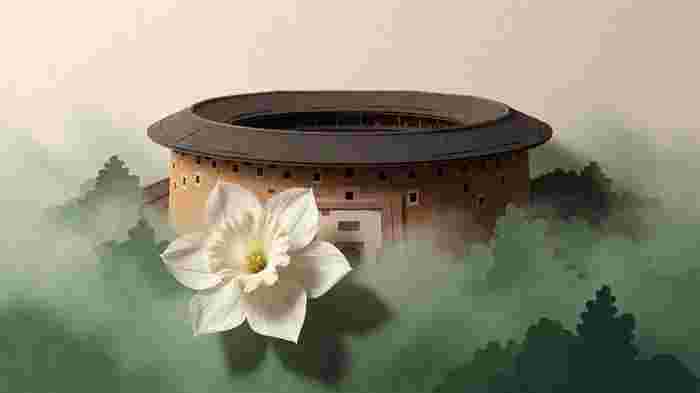
I am talking, of course, about the world -famous Tulu, or earth buildings.
我说的当然是闻名世界的土楼,也就是泥土建筑。
These look like giant circular clay fortresses dropped into the middle of lush green valleys.
这些建筑看起来就像是掉落在郁郁葱葱的山谷中央的巨大圆形泥土堡垒。
Could you tell us more about these incredible structures?
你能给我们多讲讲这些不可思议的结构吗?
Who built them and why?
是谁建造了它们,又是为什么?
Ah, the Tulu.
啊,土楼。
They are absolute architectural wonders.
它们是绝对的建筑奇迹。
In 2008, they were inscribed as a UNESCO World Heritage Site, and they deserve every bit of that recognition.
2008年,它们被列入联合国教科文组织世界遗产名录,它们完全配得上这一认可。
These buildings were primarily constructed between the 12th and 20th centuries by the Hakka and
这些建筑主要是在12世纪至20世纪之间,由客家人和
Minnan people.
闽南人建造的。
Historically, these groups migrated from central China to the mountainous regions of Fujian.
从历史上看,这些群体从中国中部迁徙到福建的多山地区。
To protect themselves from bandits, wild animals, and local conflicts, they built these massive
为了保护自己免受土匪、野兽和地方冲突的侵害,他们建造了这些巨大的
communal fortresses.
公共堡垒。
A typical Tulu is constructed using rammed earth, a mixture of local clay, sand, and water,
一座典型的土楼是用夯土、当地粘土、沙子和水的混合物建造的,
reinforced with bamboo splits, wood chips, and sometimes even sticky rice and brown sugar, to make
并用竹片、木屑,有时甚至用糯米和红糖进行加固,以使
the walls incredibly strong.
墙体极其坚固。
These walls can be up to one and a half meters thick.
这些墙壁最厚可达一米半。
They are virtually earthquake -proof and bulletproof.
它们几乎防震且防弹。
Wait, did you say sticky rice and brown sugar?
等等,你是说糯米和红糖吗?
That is amazing!
那太神奇了!
It sounds like they literally baked a giant cake to live in.
听起来他们简直是烤了一个巨大的蛋糕住在里面。
But on a serious note, the defensive design is mind -blowing.
但说正经的,这种防御性设计真是令人惊叹。
How do people actually live inside one of these giant earth rings?
人们实际上是如何生活在这些巨大的泥土圆环之中的?
It really is a feat of engineering.
这确实是一个工程壮举。
The structure is designed to promote community and equality.
这种结构旨在促进社区和谐与平等。
From the outside, a Tulu looks completely enclosed, with only one heavily fortified wooden gate, and
从外面看,土楼看起来完全是封闭的,只有一座防守严密的木门,并且
no windows on the ground floor.
一楼没有窗户。
But once you step through that gate, you enter a massive, open -air inner courtyard.
但一旦你跨过那道门,就会进入一个巨大的露天内院。
The building is usually three to five stories high, with wooden galleries running along the inside
建筑通常有三到五层高,木质走廊沿着内部延伸
of each floor.
每一层。
Every room on a particular floor is identical in size.
特定楼层上的每个房间大小都是完全相同的。
Typically, the ground floor is used for kitchens and dining rooms, the second floor is for storage
通常,一楼用于厨房 and 餐厅,二楼用于储藏
and granaries, and the upper floors are for bedrooms.
以及粮仓,楼上则是卧室。
At the very center of the courtyard, there is usually an ancestral hall, which serves as the social
在庭院的正中央,通常有一座祠堂,作为社交
heart of the community.
整个社区的核心。
In the past, a single Tulu could house up to 80 families, all belonging to the same clan.
在过去,单栋土楼可以容纳多达80户家庭,他们都属于同一个氏族。
I actually had the privilege of staying overnight in a Tulu, called Huayanlu, in Nanjing County,
实际上,我有幸在南靖县一座名叫华安楼的土楼里过夜,
which is part of Zangzhou.
这里是漳州的一部分。
Waking up early in the morning, seeing the mist rise over the circular roof, and watching the elders
清晨醒来,看着薄雾在圆形屋顶上缓缓升起,看着长辈们
boil water for their morning tea in the courtyard, it was one of the most peaceful and moving
在天井里烧水泡早茶,这是我一生中最平静、最动人的
experiences of my life.
经历之一。
That sounds absolutely magical, David.
大卫,那听起来绝对太神奇了。
To live in a place where everyone is connected, sharing resources, and living in harmony with the
生活在一个所有人紧密相连、共享资源、并与周围的自然和谐相处的地方。
surrounding nature.
周围的自然。
It really highlights the communal spirit of the region.
这确实凸显了该地区独特的集体精神。
Now, let's transition from these grand physical structures to the intangible cultural treasures of Zangzhou.
现在,让我们从这些宏伟的实体建筑,转向漳州的非物质文化宝藏。
I know the city is famous for its performing arts, particularly something very unique called
我知道这座城市以其表演艺术而闻名,尤其是非常独特的
Zangzhou glove puppetry.
漳州布袋木偶戏。
Did you get a chance to experience that during your time there?
你在那里期间有机会去体验一下吗?
Oh, absolutely.
哦,当然。
Zangzhou glove puppetry, or du daishi, which literally means cloth bag theater, is a masterclass in
漳州布袋木偶戏,又称‘掌中戏’,字面意思是‘布袋戏’,它是
artistic skill and imagination.
艺术技巧与想象力的杰作。
This art form has a history of over a thousand years.
这种艺术形式有着一千多年的历史。
The puppets themselves are exquisite works of art.
木偶本身就是精美的艺术品。
Their heads are carved from camphor wood and painted with delicate expressive features, and they are
它们的头部由樟木雕刻而成,并画有精致、传神的面部特征,它们
dressed in beautifully embroidered silk robes.
身穿精美刺绣的丝绸长袍。
But the real magic lies in the hands of the puppeteers.
但真正的奇迹在于木偶师的双手。
Unlike marionettes that use strings, or shadow puppets that use sticks, the performer inserts their
与使用悬线的提线木偶或使用木棍的皮影戏不同,表演者将他们的
hand directly into the puppet's hollow body.
手直接伸进木偶空心的身体里。
The index finger controls the head, while the thumb and middle finger control the puppet's hands.
用食指控制头部,而大拇指和中指则控制木偶的双手。
The level of control they achieve is staggering.
他们所达到的控制水平是令人惊叹的。
I once watched a master puppeteer make a puppet perform incredibly complex actions, flipping over a
我曾看过一位木偶大师让木偶做出令人难以置信的复杂动作,比如翻越一张
wooden chair, pouring a cup of tea from a tiny teapot without spilling a drop, and even writing
木椅,用微型茶壶倒茶而一滴不洒,甚至还能书写
Chinese calligraphy with a brush.
用毛笔写中国书法。
It was so lifelike that for a moment you completely forget you are looking at a wooden doll.
它太逼真了,以至于有那么一瞬间,你完全忘记了自己是在看一个木质玩偶。
That is astonishing!
真是太令人吃惊了!
Writing calligraphy and pouring tea?
写书法和倒茶?
The muscle control and coordination required for that must take decades of practice to master.
为此所需的肌肉控制和协调配合,必须经过数十年的练习才能掌握。
It's beautiful to know that such traditional arts are still preserved and cherished.
得知这些传统艺术仍然得到保护和珍视,真是太美好了。
It really is.
这确实是。
And the performances are usually accompanied by traditional Minnan music, featuring string
而且演出通常由传统闽南音乐伴奏,其特色是弦乐
instruments like the San Chien and wind instruments like the Sona, which adds a wonderful, dramatic
诸如三弦之类的乐器和唢呐之类的吹奏乐器,这为故事增添了美妙而富有戏剧性的
energy to the stories, which are often based on historical legends or folklore.
活力,这些故事通常基于历史传说或民间故事。
I can only imagine how captivating that must be.
我完全能想象得出那该有多么迷人。
Now, David, as all our regular listeners know, we cannot talk about a place's soul without talking
现在,大卫,正如我们所有的老听众所知道的那样,谈到一个地方的灵魂,不能不谈到
about its food.
关于它的食物。
Food is the ultimate expression of culture.
美食是文化的极致表达。
And I hear that Zhangzhou has a culinary scene that can make any food lover's mouth water.
我听说漳州的烹饪文化能让任何美食家垂涎欲滴。
What are some of the iconic local dishes that we absolutely must try?
有哪些我们绝对不能错过的标志性本地美食?
Oh, Sarah, where do I even begin?
哦,莎拉,我都不知道该从哪里开始说了。
Zhangzhou is a food lover's paradise, and the cuisine here is characterized by fresh ingredients,
漳州是美食爱好者的天堂,这里的烹饪特色是食材新鲜,
delicate flavors, and a beautiful balance of sweet and savory.
口味清淡,且将甜味和咸味完美平衡。
If there is one dish that represents the culinary identity of Zhangzhou, it is lumie, or braised noodles.
如果说有一道菜能代表漳州的烹饪特色,那就是卤面。
Now, this isn't just any noodle soup.
现在,这可不仅仅是普通的汤面。
The magic of lumie lies in its thick, glossy, and incredibly rich broth.
卤面的魔力在于其浓郁、有光泽且极其鲜美的汤头。
The broth is slowly simmered with ingredients like dried shrimp, shiitake mushrooms, pork bones, and
汤头是用干虾仁、香菇、猪骨等原料慢火炖制而成的,并且
egg drops, thickened with sweet potato starch.
加入了蛋花,并用红薯淀粉勾芡。
When you order a bowl, the vendor will cook fresh wheat noodles, pour the hot, savory gravy over
当你点上一碗时,摊主会煮好新鲜的小麦面条,浇上热腾腾的咸香卤汁,然后
them, and then comes the best part, the toppings.
接着就是最棒的部分——配料。
You can customize your bowl with a dazzling array of ingredients, such as crispy fried pork, duck
你可以根据个人喜好定制属于你的一碗面,配料琳琅满目,比如酥脆的炸肉、鸭
gizzard, squid, pork skin, or seasoned tofu.
胗、鱿鱼、猪皮或卤豆腐。
Top it off with some fresh cilantro, garlic paste, and a dash of local black vinegar, and you have a
最后撒上一些新鲜的香菜、蒜泥和少许当地的乌醋,你就得到了一碗
bowl of pure comfort.
纯粹让人感到慰藉的美味。
The texture of the thick broth coating the noodles is just heavenly.
浓郁的汤汁包裹着面条,那口感简直是绝妙。
Oh my goodness, my stomach is literally growling right now.
天哪,我的肚子现在真的在咕咕叫了。
That sounds so comforting, especially with the addition of garlic and black vinegar.
听起来太让人满足了,尤其是加入了蒜泥和乌醋之后。
And what about snacks?
那小吃呢?
I have heard of something called wuxiang huan, or five -spice pork rolls.
我听说过一种叫五香卷的东西,也就是五香肉卷。
Can you describe that for us?
你能为我们描述一下吗?
Ah, wuxiang huan is a masterpiece of textures.
啊,五香卷简直是口感的杰作。
It consists of minced pork, water chestnuts, onions, and garlic, seasoned with five -spice powder.
它由剁碎的猪肉、马蹄(荸荠)、洋葱和蒜组成,并用五香粉调味。
This savory mixture is wrapped in a paper -thin sheet of bean curd skin, forming a long roll.
将这种美味的混合馅料包在薄如蝉翼的豆腐皮中,做成长卷。
The roll is then deep -fried until the outer bean curd skin becomes incredibly crispy and golden
然后将肉卷入锅深炸,直到外层的豆腐皮变得极其酥脆,并呈金黄
brown, while the inside remains juicy and tender.
色,而里面依然多汁鲜嫩。
When you bite into it, you get this amazing contrast.
当你咬下去时,你会感受到这种奇妙的对比。
The loud, satisfying crunch of the crispy skin, followed by the soft, savory pork, and then the
酥脆外皮发出响亮而让人满足的嘎吱声,紧接着是松软香咸的猪肉,然后是
delightful, sweet crunch of the water chestnuts.
马蹄那美妙、清甜的清脆口感。
It is typically served with a sweet and spicy dipping sauce.
它通常搭配甜辣酱一起食用。
It is the ultimate street food, and you can find people eating it at all hours of the day.
这是终极街头美食,你会发现人们在一天中的任何时候都在吃它。
The description of that crunch is just perfect.
对那种清脆口感的描述简直太完美了。
It sounds like the ultimate street food experience.
听起来就像是终极的街头美食体验。
And I also understand that Zhangzhou is famously known as the land of flowers and fruits.
而且我也了解到,漳州素以花果之乡而闻名。
What kind of fresh produce is the city famous for?
这座城市以什么样的新鲜农产品而闻名呢?
Yes, indeed.
是的,的确如此。
Because of its warm, humid, subtropical climate and fertile soil, Zhangzhou is an agricultural powerhouse.
得益于温暖湿润的亚热带气候和肥沃的土壤,漳州是一个农业大市。
It is particularly famous for three things—bananas, lichies, and pomelos.
它尤其以三样东西闻名——香蕉、荔枝和柚子。
The Tianbo banana, which has been grown here for over a thousand years, is incredibly sweet and fragrant.
天宝香蕉在这里已有上千年的种植历史,异常甘甜芬芳。
If you visit in the summer, you will see endless fields of green banana trees lining the rivers.
如果你在夏天来访,会看到河两岸无尽的绿色香蕉林。
And in the winter, the city is filled with the sweet fragrance of Narcissus flowers, or shui xian.
而在冬天,这座城市弥漫着水仙花甜美的香气。
Zhangzhou is the primary producer of Narcissus in China, and these flowers, with the delicate white
漳州是中国水仙花的主要产区,这些有着娇嫩白色的
petals and yellow cups, are a symbol of good fortune and prosperity, especially during the Chinese
花瓣和黄色花冠,是好运和兴旺的象征,尤其是在中国
New Year.
新年。
It sounds like a place of abundance, where nature really blesses the people with sweet fruits and
听起来那是一个丰饶之地,大自然真正用甜美的果实和
fragrant flowers.
芬芳的花朵眷顾着这里的人们。
Now, David, as we look at Zhangzhou today, how does the city balance this incredible historical and
现在,大卫,当我们审视今天的漳州,这座城市是如何平衡这令人难以置信的历史与
agricultural heritage with the demands of modern life?
农业遗产与现代生活的需求的?
How do you see the local lifestyle adapting to the 21st century?
您如何看待当地的生活方式正在适应21世纪?
That is a very important question, Sarah.
这是一个非常重要的问题,莎拉。
What I find truly beautiful about Zhangzhou is its refusal to be rushed.
我觉得漳州真正美丽的地方在于它拒绝行色匆匆。
In a fast -paced country like China, where massive metropolises are constantly rushing into the
在中国这样快节奏的国家,当庞大的大都市在不断奔向
future, Zhangzhou has chosen to embrace a much slower rhythm of life.
未来时,漳州却选择去拥抱一种慢得多的生活节奏。
The locals have a concept called man sheng huo, which means slow life.
当地人有一个被称为“慢生活”的概念,意思就是缓慢的生活。
You can see this clearly in their daily routines.
你可以在他们的日常作息中清楚地看到这一点。
In the afternoons, you will see groups of elderly people sitting on small wooden stools under the
下午,你会看到成群结队的老人坐在一张张木质小矮凳上,在
shade of ancient banyan trees, slowly brewing gong fu tea.
古老大榕树的树荫下,慢悠悠地冲泡着功夫茶。
Gong fu tea is not just a drink, it is a ritual.
功夫茶不仅仅是一种饮品,它更是一种仪式。
They use tiny clay teapots and small cups, pouring local oolong tea with great care and taking their
他们使用微型的陶土茶壶和精巧的小杯子,小心翼翼地注入当地的乌龙茶,并花费他们的
time to savor every sip.
时间去细品每一口。
There is no rush, no anxiety.
没有任何匆忙,也没有任何焦虑。
Even the young people in Zhangzhou seem to appreciate this slow pace.
甚至连漳州的年轻人都似乎很欣赏这种慢节奏。
While the city has modern malls, tech startups, and clean energy buses, the local government has
尽管这座城市拥有现代化的商场、科技初创公司和清洁能源公交车,但当地政府已经
made a conscious effort to preserve the ancient city center, restricting car traffic and encouraging
有意识地努力去保护古老的市中心,限制汽车通行并鼓励
traditional crafts.
传统手工艺。
They understand that the soul of Zhangzhou lies in its heritage, heritage.
他们明白漳州的灵魂在于它的历史遗产、遗产。
And if they lose that, they lose everything that makes the city special.
如果他们失去了这些,他们就失去了让这座城市变得特别的一切。
That is so reassuring to hear, David.
听到这个消息真让人感到安心,大卫。
In our busy, modern lives, we could all use a bit of that man sheng huo philosophy, taking a moment
在我们忙碌的现代生活中,我们都可以借鉴一点那种“慢生活”的哲学,花点时间
to sit under a banyan tree and appreciate a warm cup of tea with friends.
坐在榕树下,与朋友一起品尝一杯温热的茶。
It sounds like Zhangzhou is not just a place to visit, but a place to learn how to live better.
听起来漳州不仅仅是一个值得游览的地方,更是一个学习如何更好生活的地方。
Absolutely, Sarah.
确实如此,莎拉。
Living there taught me to slow down, to pay attention to the seasons, to appreciate the simple joy
住在那里让我学会了慢下来,去关注四季的变化,去欣赏那些简单的快乐
of a perfectly cooked bowl of noodles, and to value community.
一碗煮得恰到好处的面条,以及去珍视社区邻里关系。
It is a city that gently wraps itself around your heart.
这是一座会温柔地包裹住你心灵的城市。
And once you visit, a part of you always remains there.
一旦你来过,你的一部分灵魂就永远留在了那里。
Well, David, your passion for this beautiful city is truly infectious, and you have painted such a
好的,大卫,你对这座美丽城市的激情真是极具感染力,你为我们描绘了如此一幅
vivid, sensory -rich picture of Zhangzhou for us today.
今天你为我们描绘了一幅生动、感官丰富的漳州画面。
I want to thank you so much for joining us on Talkcast Discovery and sharing your wonderful insights
非常感谢你加入我们的《Talkcast Discovery》,分享你精彩的见解
and stories with our listeners.
和故事给我们的听众。
It was my absolute pleasure, Sarah.
这是我莫大的荣幸,莎拉。
Thank you so much for having me, and I hope some of your listeners will get the chance to experience
非常感谢你们邀请我,我希望你们的一些听众能有机会亲自去体验
the magic of Zhangzhou for themselves someday.
有朝一日亲自感受漳州的魅力。
I am sure they will.
我确信他们会去的。
Now, before we wrap up today's episode, it is time for our weekly listener question.
现在,在我们结束今天的节目之前,又到了我们每周听众提问的时间了。
Based on our fascinating conversation with David about the unique architecture of Zhangzhou, here is
基于我们与大卫关于漳州独特建筑的精彩对话,下面是
our question for you.
我们要问大家的一个问题。
What are the unique defensive residential structures in Zhangzhou, often circular or square and
漳州独特的防御性民居建筑是什么,它们通常呈圆形或方形,并且
built of rammed earth, which were inscribed as a UNESCO World Heritage site in 2008?
由夯土建成,并在2008年被列入联合国教科文组织世界遗产名录?
Please write down your answers in the comments section below, or check out what other listeners have written.
请在下方的评论区写下您的答案,或者看看其他听众写了什么。
We would love to have you join our growing community.
我们非常乐意您加入我们不断壮大的社区。
If you enjoyed this journey into the heart of Zhangzhou, please consider becoming a Talkcast member,
如果您喜欢这次走进漳州腹地的旅程,请考虑成为 Talkcast 的会员,
subscribing to our show, and sharing this episode with your friends who love travel, culture, or
订阅我们的节目,并将这一期节目分享给热爱旅行、文化或
English learning.
英语学习。
Your support and feedback mean the world to us, and help us keep exploring the world's hidden corners.
您的支持和反馈对我们来说意味着一切,并帮助我们继续探索世界隐藏的角落。
As a reminder, the full English transcript and audio of this episode, along with previous episodes,
友情提示,本期节目完整的英文文本和音频,以及往期节目,
are regularly published on our official website at www .talkcast .top.
都会定期发布在我们的官方网站 www.talkcast.top 上。
Please head over there if you want to review the vocabulary or read along as you listen.
如果您想复习词汇或在收听时跟着阅读,请前往该网站。
Finally, we want to hear from you.
最后,我们想听听您的声音。
Please leave a comment on our website or in the comment section of your podcast app, telling us
请在我们的网站上或您的播客应用程序的评论区留下一条评论,告诉我们
which city, region, or cultural theme you would like us to explore in our next episode.
您希望我们在下一期节目中探索哪个城市、地区或文化主题。
I read every single comment, and your suggestions will shape our next journey.
我会阅读每一条评论,您的建议将决定我们下一次旅程的走向。
Until next time, keep exploring, keep staying curious, and thank you for listening to Talkcast
期待下一次相遇,保持探索,保持好奇,感谢收听 Talkcast
Discovery, off the map, into the world. Goodbye!
《探索》,走出地图,走进世界。再见!